
The Colorado Trail (CT) is one of the most iconic long-distance hikes in the United States, stretching 567 miles from Denver to Durango through the heart of the Rocky Mountains. Known for its diverse terrain, breathtaking alpine scenery, and manageable logistics, the trail attracts everyone from weekend hikers to serious thru-hikers.
Crossing mountain passes, forests, and remote wilderness, the Colorado Trail offers an unforgettable adventure filled with natural beauty and physical challenge.
Colorado Trail Overview
The trail passes through an incredible range of landscapes and ecosystems, including:
- 8 mountain ranges
- 6 national forests
- 6 designated wilderness areas
This variety means hikers experience everything from pine forests to exposed alpine tundra.
Trail Stats
| Feature | Details |
|---|---|
| Total Distance | 567 miles |
| Avg Elevation | ~10,300 ft |
| Highest Point | 13,271 ft |
| Total Elevation Gain | ~90,000 ft |
| Segments | 33 |
| Best Hiking Season | July – September |
The journey begins near Denver at Waterton Canyon and ends near Durango at Junction Creek, creating a true cross-state mountain experience.
Colorado Trail Map & Route
The CT is divided into 33 official segments, making it easier to plan section hikes or resupply stops.
Each segment runs from trailhead to trailhead, allowing flexible trip planning whether you’re hiking for a weekend or a full season.
Collegiate West Alternate
One of the trail’s most popular additions is the Collegiate West route, which:
- Adds ~80 miles
- Creates a 160-mile loop with the original route
- Offers more dramatic alpine scenery
Navigation is relatively straightforward thanks to:
- Consistent orange blazes
- Well-established trail tread
- Multiple GPS app options
Still, carrying maps or digital backups is highly recommended for safety.
Elevation & Terrain
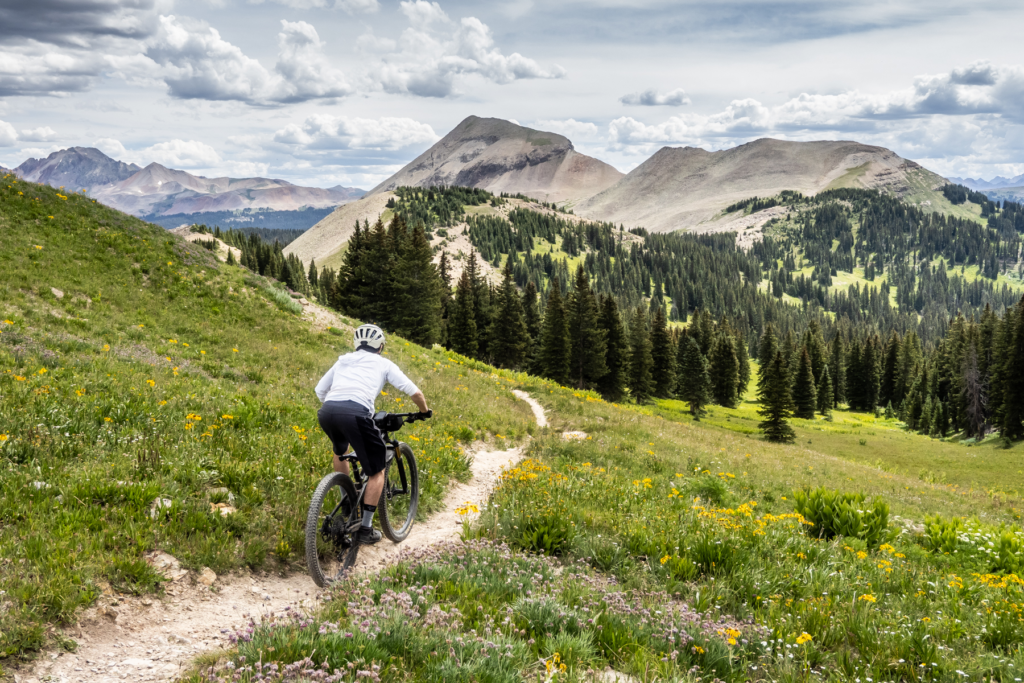
The Colorado Trail is defined by its elevation. Most of the hike occurs above 10,000 feet, with frequent climbs over high mountain passes.
Hikers should expect:
- Continuous elevation changes
- Extended stretches above tree line
- Thin air and rapidly changing weather
Daytime temperatures can feel mild, but nighttime conditions often drop near freezing — even in peak summer.
High alpine sections provide some of the trail’s most memorable views but also require careful pacing and acclimatization.
Colorado Trail Sections & Highlights
Each segment offers unique scenery and challenges, making it easy to tailor your hike to your experience level.
Best Scenic Segments
Segments 5–8
These segments introduce hikers to true alpine terrain, with sweeping views and open ridgelines.
Segments 20–24
The Collegiate Peaks region showcases towering 14ers and expansive mountain basins.
Segments 29–33
The San Juan Mountains provide a dramatic and rugged finale with remote wilderness beauty.
These sections are often cited as the most visually rewarding parts of the trail.
Best Time to Hike the Colorado Trail
Timing your hike is crucial for safety and enjoyment.
The best window is:
Mid-July through early September
By this time:
- Most snow has melted
- Trails are accessible
- Wildflowers are in bloom
However, hikers must remain prepared for:
- Daily afternoon thunderstorms
- Sudden weather shifts
- Occasional early snowfall at higher elevations
Starting early each day helps avoid exposure to lightning at high passes.
Colorado Trail Difficulty
While navigation is relatively simple, the CT is still physically demanding.
The biggest challenges include:
- High altitude hiking
- Steep ascents and descents
- Long distances between resupply points
Daily climbs of 3,000–5,000 feet are common in mountainous sections.
That said, the trail’s strong infrastructure makes it one of the more accessible long-distance hikes for prepared beginners.
Permits & Regulations
One advantage of the Colorado Trail is its simple permit system.
You do not need a permit for the entire trail.
However:
- Wilderness areas require self-issued permits
- Certain camping areas (like Segment 12) require a State Wildlife Area pass
Most permits can be obtained at trailheads, making logistics straightforward.
Always follow Leave No Trace principles to preserve the trail’s natural beauty.
Essential Colorado Trail Gear List
Packing properly is key to a successful hike.
Because of the altitude and changing weather, gear should focus on:
- Lightweight efficiency
- Weather protection
- Safety in remote terrain
A well-balanced pack helps reduce fatigue and prevent injury over long distances.
Proper sun protection and water treatment are especially important due to intense UV exposure and variable water sources.
Thru-Hike Planning Tips
A full thru-hike typically takes:
4–6 weeks
Most hikers average:
10–18 miles per day
Careful planning is needed for:
- Resupply stops
- Weather windows
- Acclimatization
Resupply towns provide essential breaks and allow hikers to adjust their pace if needed.
Taking time to adapt to altitude before starting can significantly improve comfort and performance.
Best Colorado Trail Day Hikes
You don’t need to hike all 567 miles to enjoy the Colorado Trail.
Many segments offer excellent day hiking opportunities.
Popular choices include:
Kenosha Pass
Accessible and filled with wildflower meadows.
Georgia Pass
High-elevation views without extreme distance.
Twin Lakes Area
Access to iconic mountain peaks.
Junction Creek
A scenic introduction near Durango.
These shorter hikes are perfect for beginners or those with limited time.
Expert Hiking Tips
- Small adjustments can make a big difference on the trail.
- Starting early helps avoid storms, while consistent hydration reduces fatigue at altitude.
- Keeping your pack light improves endurance and reduces strain on joints.
- Proper food storage is also important to minimize wildlife encounters.
- Listening to your body and adjusting pace is essential for safe high-altitude hiking.
Final Thoughts
The Colorado Trail delivers an unmatched combination of accessibility, scenery, and adventure.
With flexible section options and manageable logistics, it’s an excellent choice for both beginners and experienced backpackers.
Whether you tackle a single segment or the entire route, the CT offers a truly unforgettable mountain journey.
FAQs Colorado Trail Hiking
Q1: How long is the Colorado Trail?
The Colorado Trail is approximately 567 miles long, stretching from Denver to Durango through the Rocky Mountains. Some alternate routes, such as Collegiate West, may slightly change total mileage depending on the path hikers choose.
Q2: How long does it take to thru-hike the Colorado Trail?
A full Colorado Trail thru-hike usually takes 4 to 6 weeks to complete.
Most hikers average:
10–18 miles per day
30–45 total days on trail
Completion time depends on weather, elevation, fitness level, and resupply stopsQ3: How difficult is the Colorado Trail?
The Colorado Trail is considered moderate to strenuous due to:
High altitude hiking
Steep elevation gain
Rocky terrain
Long daily distances
While navigation is easier than many long trails, the physical demands make preparation important.Q4: What is the best time to hike the Colorado Trail?
The best time to hike the Colorado Trail is mid-July through early September.
During this period:
Snow has mostly melted
Trails are accessible
Weather is more stable
However, hikers should still expect afternoon thunderstorms and cold nights.Q5: Do you need a permit to hike the Colorado Trail?
You do not need a permit to hike the entire Colorado Trail.
However:
Self-issued permits are required in wilderness areas
Some camping zones may require special passes
Most permits can be obtained at trailheads.Q6: What is the highest elevation on the Colorado Trail?
The highest point on the Colorado Trail is 13,271 feet.
The trail’s average elevation is over 10,000 feet, which makes altitude acclimatization essential for many hikers.Q7: Can beginners hike the Colorado Trail?
Yes, beginners can hike sections of the Colorado Trail.
The trail is divided into 33 segments, making it ideal for:
Day hikes
Weekend trips
Section hiking
A full thru-hike is more suitable for experienced backpackersQ8: Are there bears on the Colorado Trail?
Yes, black bears live in some areas along the Colorado Trail.
Hikers should:
Store food properly
Use bear bags or canisters
Avoid keeping scented items in tents
Proper food storage helps prevent wildlife encounters.Q9: Is water available along the Colorado Trail?
Water is available along most sections of the Colorado Trail, but availability can vary.
Some stretches are dry, especially in late summer.
Hikers should always:
Plan water sources in advance
Carry water filtrationQ10: Is the Colorado Trail well-marked
Yes, the Colorado Trail is well marked with orange blazes along the route.
Navigation is generally straightforward, but carrying maps or GPS is still recommended.Q11: Can you hike the Colorado Trail solo?
Yes, many hikers complete the Colorado Trail solo.
For safety, solo hikers should carry:
Proper safety gear
Emergency communication device
Navigation toolsQ12: What are the hardest sections of the Colorado Trail?
The most challenging parts of the Colorado Trail include:
Collegiate Peaks
San Juan Mountains
These areas feature:
Remote terrai
High passes
Steep climbsQ13: Can you camp anywhere on the Colorado Trail?
Dispersed camping is allowed in most areas along the Colorado Trail.
However:
Some wilderness areas have restrictions
Designated campsites may be required
Always follow Leave No Trace principles.Q14: What gear do you need for the Colorado Trail?
Essential Colorado Trail gear includes:
Lightweight backpack
3-season tent
Warm sleeping bag
Rain gear
Water filter
Because of high elevation and changing weather, proper gear is critical.Q15: Can you hike the Colorado Trail in sections?
Yes, the trail is designed for section hiking.
Many hikers complete it over multiple trips using its 33 segments.