Introduction
Standing on the rim of the canyon for the first time is something most travelers never forget. Grand Canyon National Park is one of the world’s most breathtaking destinations. Its vast size, layered rock formations, and dramatic shadows stretch across miles of desert.
But almost every traveler asks one question before planning a trip. When is the best time to visit the Grand Canyon National Park?
The truth is that the canyon changes dramatically throughout the year. Each season brings different temperatures, lighting conditions, crowd levels, and hiking opportunities. Spring brings wildflowers and mild hiking weather. Summer offers long days and access to the North Rim. Fall brings cooler air and fewer crowds. Winter turns the canyon into a quiet, snow-covered landscape.
This detailed Grand Canyon National Park travel guide explains the best time to visit depending on your goals. You’ll also learn about seasonal hiking options, top attractions, travel tips, sample itineraries, and nearby places to stay.
Where is Grand Canyon National Park

Grand Canyon National Park is located in northern Arizona, in the southwestern United States. The park stretches more than 270 miles along the Colorado River and reaches depths of over 6,000 feet.
Most visitors access the park from two main areas:
South Rim
The South Rim is the most popular section of the park and remains open all year. It includes major viewpoints, visitor centers, hotels, restaurants, and trailheads for famous hikes.
North Rim
The North Rim sits about 1,000 feet higher in elevation and receives fewer visitors. Because of heavy winter snowfall, it is typically open only from mid-May to mid-October.
Nearby Cities
Major travel hubs include:
- Flagstaff, Arizona (1.5 hours away)
- Phoenix, Arizona (3.5–4 hours)
- Las Vegas, Nevada (4–5 hours)
Most first-time visitors exploring Grand Canyon National Park hikes begin their journey at the South Rim due to its accessibility and infrastructure.
Best Time to Visit Grand Canyon National Park
The best time to visit Grand Canyon National Park depends on what you want to experience. Weather varies dramatically between the rim and the canyon floor, and each season has advantages and challenges.
Spring (March – May)
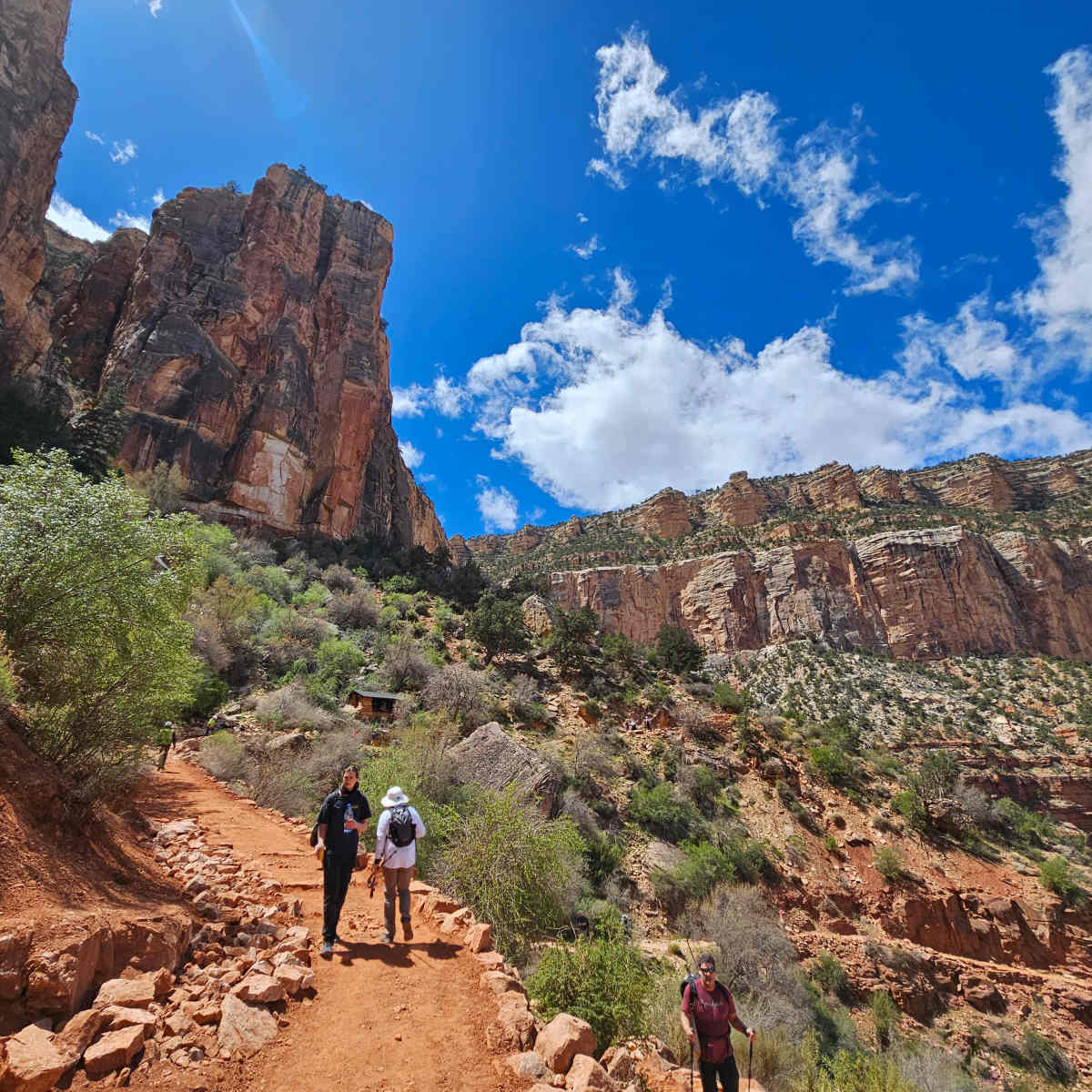
Spring in Grand Canyon National Park (Best Time to Visit)
Spring is often considered the best overall time to visit Grand Canyon National Park, especially if you want a balance of good weather, fewer crowds, and great hiking conditions.
During this season, temperatures are comfortable, making it easier to explore both the rim and inner canyon trails. You’ll also start to see desert plants and wildflowers blooming, adding color to the landscape—perfect for Grand Canyon landscape photography.
Spring Weather
Spring weather varies depending on where you are in the canyon:
- Rim temperatures: 50–70°F (10–21°C)
- Canyon floor temperatures: 70–90°F (21–32°C)
Mornings and evenings can feel cool, especially on the rim, so it’s best to bring layers. As you hike down into the canyon, temperatures increase quickly.
Why Visit the Grand Canyon in Spring
Spring is one of the most comfortable and rewarding seasons to explore the park.
- 🌿 Great hiking conditions – Not too hot, not too cold
- 🌸 Wildflowers in bloom – Adds color to views and photos
- 📸 Clear visibility – Ideal for Grand Canyon photography spots
- 👣 Moderate crowds – Less busy than peak summer
It’s the perfect time for both beginners and experienced hikers.
Spring Hiking Micro-Guide
Spring is ideal for exploring some of the best hikes for photography Grand Canyon offers. Here are top trail options:
Bright Angel Trail
A popular and well-maintained trail.
- Difficulty: Moderate to strenuous
- Why it’s great:
- Some shaded sections
- Water stations (seasonal)
- Rest stops along the way
This is one of the safest choices for first-time canyon hikers.
South Kaibab Trail to Cedar Ridge
One of the most scenic hikes in the park.
- Difficulty: Moderate
- Distance: ~3 miles round trip
- Why it’s great:
- Incredible ridge views
- Perfect for Grand Canyon hiking photography
- Great half-day hike
Start early in the morning to avoid heat and crowds.
Rim Trail
Best for easy walking and photography.
- Difficulty: Easy
- Mostly flat and paved
- Connects many Grand Canyon scenic viewpoints
Perfect if you want amazing views without hiking deep into the canyon.
Spring Sample Itinerary (2 Days)
Here’s a simple and realistic 2-day plan to help you see the best of the park:
Day 1: Scenic Views & Sunset
- 🌅 Sunrise at Mather Point
Start early. Sunrise lights up the canyon walls with warm golden colors—perfect for photos. - 🚶 Walk part of the Rim Trail
Walk toward Yavapai Point or Grand Canyon Village to enjoy multiple viewpoints. - 🍴 Lunch in Grand Canyon Village
Take a break and explore nearby areas. - 🌄 Sunset at Hopi Point
One of the best Grand Canyon sunset photography spots. Stay after sunset for softer glowing colors.
Day 2: Hiking & Scenic Drive
- 🥾 Early hike on South Kaibab Trail
Start early (ideally sunrise). Hike to Cedar Ridge for amazing views without going too deep. - 🍽️ Lunch in Grand Canyon Village
Relax after your hike. - 🚗 Drive Desert View Drive
Stop at major viewpoints like:- Grandview Point
- Lipan Point
- Desert View Watchtower
This scenic drive is one of the easiest ways to explore multiple Grand Canyon photo locations in one afternoon.
Simple Spring Travel Tips
- 💧 Carry plenty of water (very important)
- 🧢 Wear sun protection (hat, sunscreen)
- 👟 Use proper hiking shoes
- ⏰ Start hikes early to avoid heat
- 📷 Bring a camera for golden hour Grand Canyon photography
Summer (June – August)
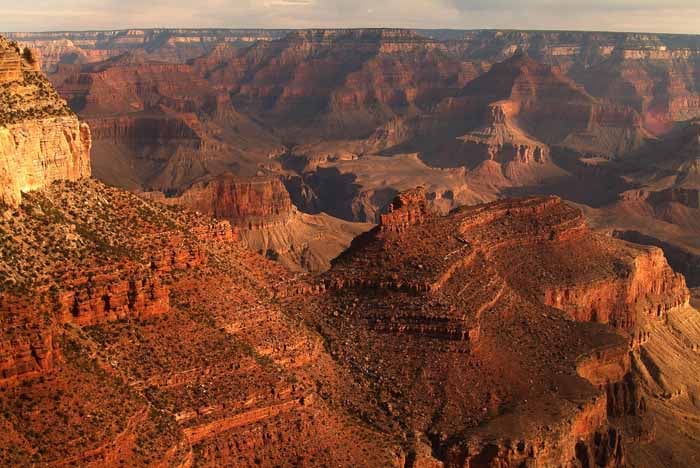

Summer is the busiest time to visit Grand Canyon National Park, especially from June to August. Schools are on vacation, all park roads are open, and visitor services are fully operating.
However, the biggest challenge during summer is the extreme heat—especially inside the canyon. While the South Rim stays warm, the canyon floor can become dangerously hot, making careful planning essential.
Summer Weather
Summer temperatures vary significantly between the rim and the inner canyon:
- Rim temperatures: 70–90°F (21–32°C)
- Canyon floor temperatures: Often above 105°F (40°C)
It’s important to remember that temperatures increase as you hike down. Even a short descent can feel much hotter than the rim.
Why Visit Grand Canyon in Summer
Despite the heat, summer has some clear advantages:
- ☀️ All facilities are open – Visitor centers, shuttles, and services
- 🌄 North Rim access – Open seasonally and less crowded
- 🚣 River rafting season – One of the best times for Colorado River trips
- 🌌 Great for stargazing – Warm nights and clear skies
It’s a great time if you want a full-service experience and access to every part of the park.
Summer Hiking Micro-Guide
Due to the heat, it’s best to choose shorter hikes and start early in the morning. Avoid hiking during midday.
Rim Trail
A safe and easy option during summer.
- Difficulty: Easy
- Mostly flat and paved
- Connects many Grand Canyon scenic viewpoints
Perfect for enjoying views without dealing with extreme heat.
South Kaibab Trail to Ooh Aah Point
One of the best short hikes for Grand Canyon sunrise photography.
- Difficulty: Moderate
- Distance: ~1.8 miles round trip
- Why it’s great:
- Incredible early morning views
- Short and manageable
- One of the best places to take photos in Grand Canyon National Park
Start before sunrise to avoid heat and crowds.
North Kaibab Trail (North Rim)
A great option if you’re visiting the North Rim.
- Cooler temperatures due to higher elevation
- Less crowded than South Rim trails
- Beautiful forest and canyon views
This is one of the best hikes for photography in the Grand Canyon if you want a quieter experience.
Summer Sample Itinerary (2 Days)
Here’s a simple and realistic summer itinerary to help you stay cool and make the most of your trip:
Day 1: Sunrise & Scenic Stops
- 🌅 Sunrise hike to Ooh Aah Point
Start early (before sunrise). This is one of the best short hikes with incredible views. - 🍳 Breakfast in Grand Canyon Village
Refuel and relax after your hike. - 🏛️ Visit Yavapai Geology Museum
Learn about the canyon’s rock layers while enjoying panoramic views—great for a mid-day break. - 🌄 Sunset at Desert View Watchtower
One of the most scenic and unique Grand Canyon sunset photography spots.
Day 2: Easy Exploring & Night Experience
- 🚶 Walk Rim Trail viewpoints
Visit multiple overlooks without intense hiking. Great for Grand Canyon viewpoints photography. - 🚁 Helicopter or scenic flight tour
A unique way to see the canyon from above and capture aerial photos. - 🌌 Evening stargazing
Stay after dark for night photography in the Grand Canyon. The clear skies make it one of the best stargazing locations in the U.S.
Summer Travel Tips
- 💧 Drink plenty of water (more than you think you need)
- ⏰ Start hikes before 8 AM
- 🧢 Wear sun protection (hat, sunscreen, sunglasses)
- ❌ Avoid hiking to the canyon floor in extreme heat
- 📷 Shoot during sunrise and sunset for best lighting
Fall (September – November)


Fall in Grand Canyon National Park
Fall is another excellent time to visit Grand Canyon National Park, especially for travelers who prefer cooler temperatures and fewer crowds. From September to November, the park becomes quieter, making it easier to enjoy popular viewpoints and trails without the summer rush.
This season is perfect for Grand Canyon hiking photography, as the softer light and crisp air create ideal conditions for both hiking and capturing stunning landscapes.
Fall Weather
Fall brings comfortable temperatures across the park:
- Rim temperatures: 45–70°F (7–21°C)
- Canyon floor temperatures: 70–90°F (21–32°C)
Mornings and evenings can feel chilly, especially on the rim, so layering is important. Daytime conditions are ideal for longer hikes compared to summer.
Why Visit the Grand Canyon in the Fall
Fall offers a great balance of weather, scenery, and fewer visitors:
- 🍂 Comfortable hiking weather – Perfect for longer trails
- 👣 Fewer crowds – More peaceful viewpoints
- 🌄 Better lighting conditions – Ideal for Grand Canyon photography spots
- 🍁 Autumn colors – Especially visible near the North Rim
It’s one of the best seasons for travelers looking for a relaxed and scenic experience.
Fall Hiking Micro-Guide
Fall is ideal for exploring some of the best hikes for photography in the Grand Canyon, thanks to cooler temperatures.
Bright Angel Trail to Havasupai Gardens
One of the most popular and rewarding hikes.
- Difficulty: Moderate to strenuous
- Why it’s great:
- Shaded sections
- Water availability (seasonal)
- A great full-day hike
Perfect for capturing layered canyon views and experimenting with Grand Canyon landscape photography.
Grandview Trail
A more challenging and less crowded option.
- Difficulty: Strenuous
- Trail conditions: Steep, rocky, and exposed
- Why it’s great:
- Fewer tourists
- Dramatic and rugged scenery
- Excellent for Grand Canyon hiking photography
Best for experienced hikers looking for unique viewpoints.
North Kaibab Trail
A quieter trail on the North Rim.
- Cooler temperatures due to higher elevation
- Surrounded by forest and canyon views
- Great option before the North Rim closes for winter
Ideal for those seeking hidden photography spots Grand Canyon.
Fall Sample Itinerary (3 Days)
Here’s a relaxed 3-day itinerary to help you explore the best of the park in the fall:
Day 1: Classic Viewpoints & Sunset
- 🌅 Sunrise at Yavapai Point
One of the best spots for wide canyon views and soft morning light. - 🚶 Walk the Rim Trail
Explore multiple Grand Canyon scenic viewpoints at your own pace. - 🌄 Sunset at Hopi Point
A top location for Grand Canyon sunset photography spots with panoramic views.
Day 2: Hiking & History
- 🥾 Hike Bright Angel Trail
Start early and hike down to Havasupai Gardens or turn around earlier if needed. - 🍴 Lunch in Grand Canyon Village
Take a break and relax after your hike. - 🏛️ Explore Grand Canyon Village historic district
Visit historic buildings, viewpoints, and learn more about the park’s history.
Day 3: Scenic Drive & Easy Exploration
- 🚗 Drive Desert View Drive
Stop at iconic Grand Canyon photo locations such as:- Grandview Point
- Lipan Point
- Desert View Watchtower
- 🚶 Short walk along the canyon rim
Enjoy easy trails and quieter viewpoints for relaxed photography. - 📷 Optional sunset or golden hour session
Revisit your favorite viewpoint for final shots.
Fall Travel Tips
- 🧥 Bring layers for cooler mornings and evenings
- 💧 Stay hydrated even in cooler weather
- ⏰ Start hikes early for the best light
- 📷 Take advantage of golden hour Grand Canyon photography
- 🚗 Plan ahead as North Rim access closes in late fall
Winter (December – February)


Winter offers a completely different and peaceful experience in Grand Canyon National Park. From December to February, the crowds drop significantly, and the canyon becomes quieter and more serene.
One of the biggest highlights of visiting during winter is the chance to see snow along the rim. The contrast between white snow and red canyon rock creates stunning scenes—perfect for Grand Canyon landscape photography and unique travel experiences.
Winter Weather
Winter temperatures can vary depending on elevation:
- Rim temperatures: 20–50°F (-6–10°C)
- Canyon floor temperatures: 40–70°F (4–21°C)
Snow is common on the South Rim, especially after storms, while the canyon floor usually stays warmer and mostly snow-free.
Mornings and evenings can be very cold, so proper layering is essential.
Why Visit Grand Canyon in Winter
Winter is ideal if you want a quieter and more unique experience:
- ❄️ Fewer crowds – Enjoy peaceful viewpoints
- 📸 Snow-covered landscapes – Perfect for Grand Canyon photography spots
- 🌄 Clear air and visibility – Great for long-distance views
- 🧘 Relaxed atmosphere – No summer rush
It’s one of the best seasons for photographers looking for something different.
Winter Hiking Micro-Guide
Winter hiking can still be enjoyable, but safety is important due to snow and ice on trails.
Rim Trail
A safe and easy option during winter.
- Difficulty: Easy
- Mostly flat and accessible
- Great for visiting multiple Grand Canyon scenic viewpoints
Be cautious of icy sections and wear proper footwear.
Bright Angel Trail (Short Sections)
A good choice for winter hiking.
- Lower sections are often snow-free
- Some shade and protection from the wind
- Ideal for short hikes and Grand Canyon hiking photography
Avoid going too deep unless you’re well-prepared.
Winter Sample Itinerary (2 Days)
Here’s a simple 2-day winter itinerary for a relaxed and scenic visit:
Day 1: Snowy Views & Sunset
- 🌅 Sunrise at Mather Point
One of the best locations for Grand Canyon sunrise photography, especially with snow. - 🏛️ Visit Yavapai Museum
Warm up indoors while enjoying panoramic canyon views and learning about geology. - 🍴 Lunch in Grand Canyon Village
Take a break and explore nearby viewpoints. - 🌄 Sunset at Hermits Rest
A quieter and scenic location for Grand Canyon sunset photography spots.
Day 2: Easy Exploration & Scenic Drive
- 🚶 Walk Rim Trail viewpoints
Visit multiple overlooks at your own pace. Great for relaxed photography. - 🚗 Scenic drive through the park
Explore open roads and stop at different Grand Canyon photo locations. - 📷 Optional sunrise or sunset session
Revisit your favorite viewpoint for better lighting or fewer crowds.
Winter Travel Tips
- 🧥 Dress in layers (temperatures change quickly)
- 👟 Wear shoes with good grip (icy paths are common)
- ❄️ Check weather and road conditions before visiting
- 💧 Stay hydrated even in cold weather
- 📷 Take advantage of snow for unique Grand Canyon photography
Top Attractions in Grand Canyon National Park
Mather Point
One of the most famous viewpoints in the park and often the first stop for visitors.
Yavapai Observation Station
Provides panoramic canyon views along with exhibits explaining the geology of the region.
Desert View Watchtower
A historic stone tower offering elevated views of the canyon and Colorado River.
Grand Canyon Village
The main hub for lodging, restaurants, and park transportation.
Best Hikes in Grand Canyon National Park

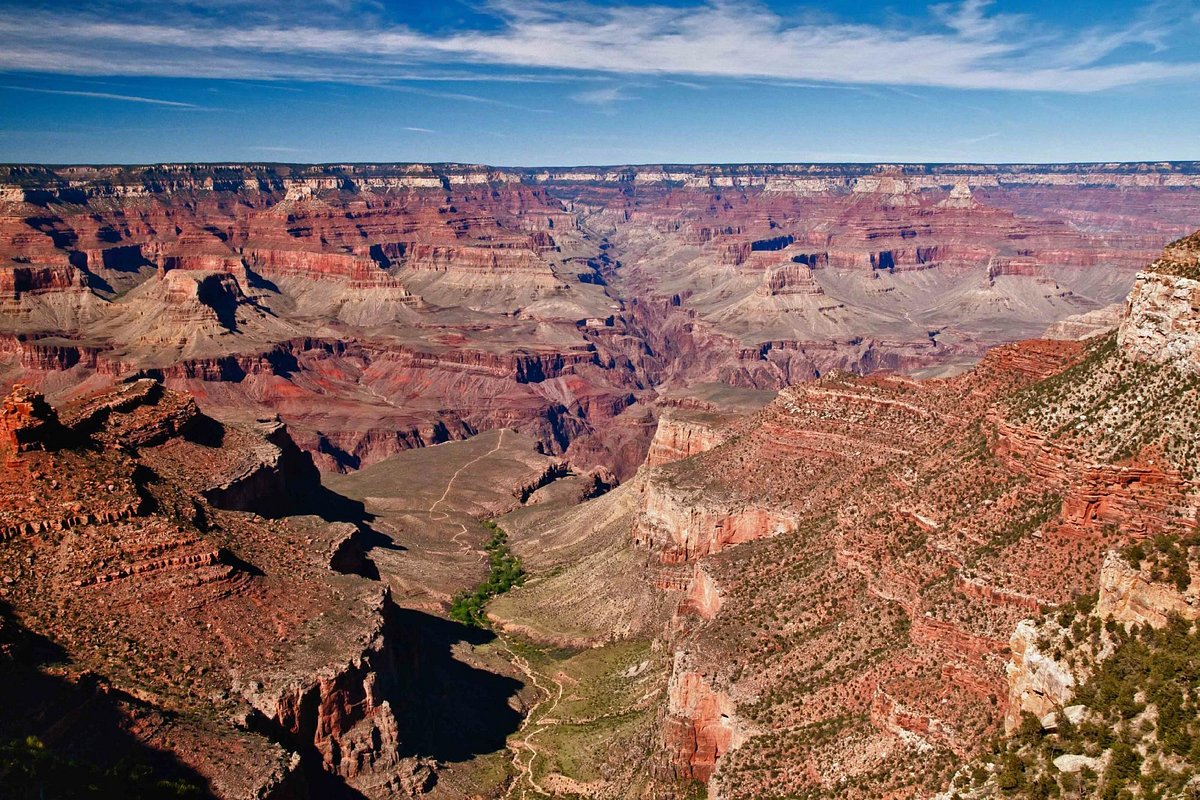
Some of the most famous Grand Canyon National Park hikes include:
Bright Angel Trail
Distance: up to 9.5 miles
Difficulty: Strenuous
This historic trail offers water stations, rest houses, and shaded sections. It is one of the safest routes into the canyon.
South Kaibab Trail
Distance: up to 7 miles
Difficulty: Strenuous
Known for panoramic ridge views and famous stops like Ooh Aah Point and Cedar Ridge.
Rim Trail
Distance: up to 13 miles
Difficulty: Easy
A paved scenic path connecting many viewpoints along the South Rim.
North Kaibab Trail
Distance: 14 miles
Difficulty: Very strenuous
A remote trail descending from the North Rim and part of the famous Rim-to-Rim hike.
Grand Canyon National Park Map and Travel Tips
Use the Shuttle System
Free shuttle buses operate along the South Rim, connecting viewpoints and trailheads.
Start Hiking Early
Temperatures rise quickly inside the canyon, especially during summer.
Carry Plenty of Water
The desert environment can quickly lead to dehydration.
Know Your Limits
The biggest mistake visitors make is hiking too far down and struggling to climb back out.
Where to Stay Near Grand Canyon National Park
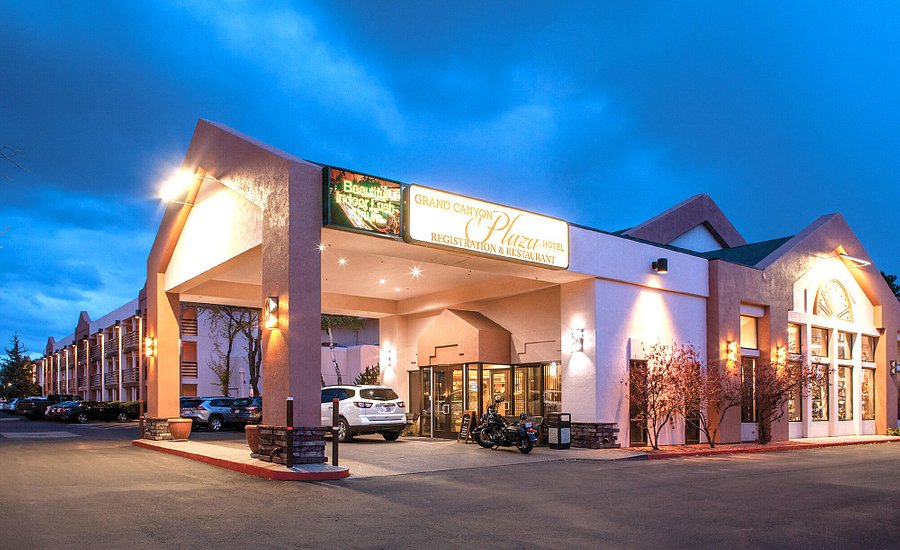
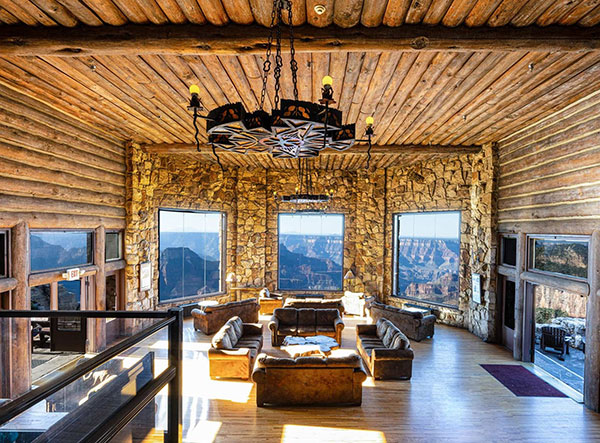
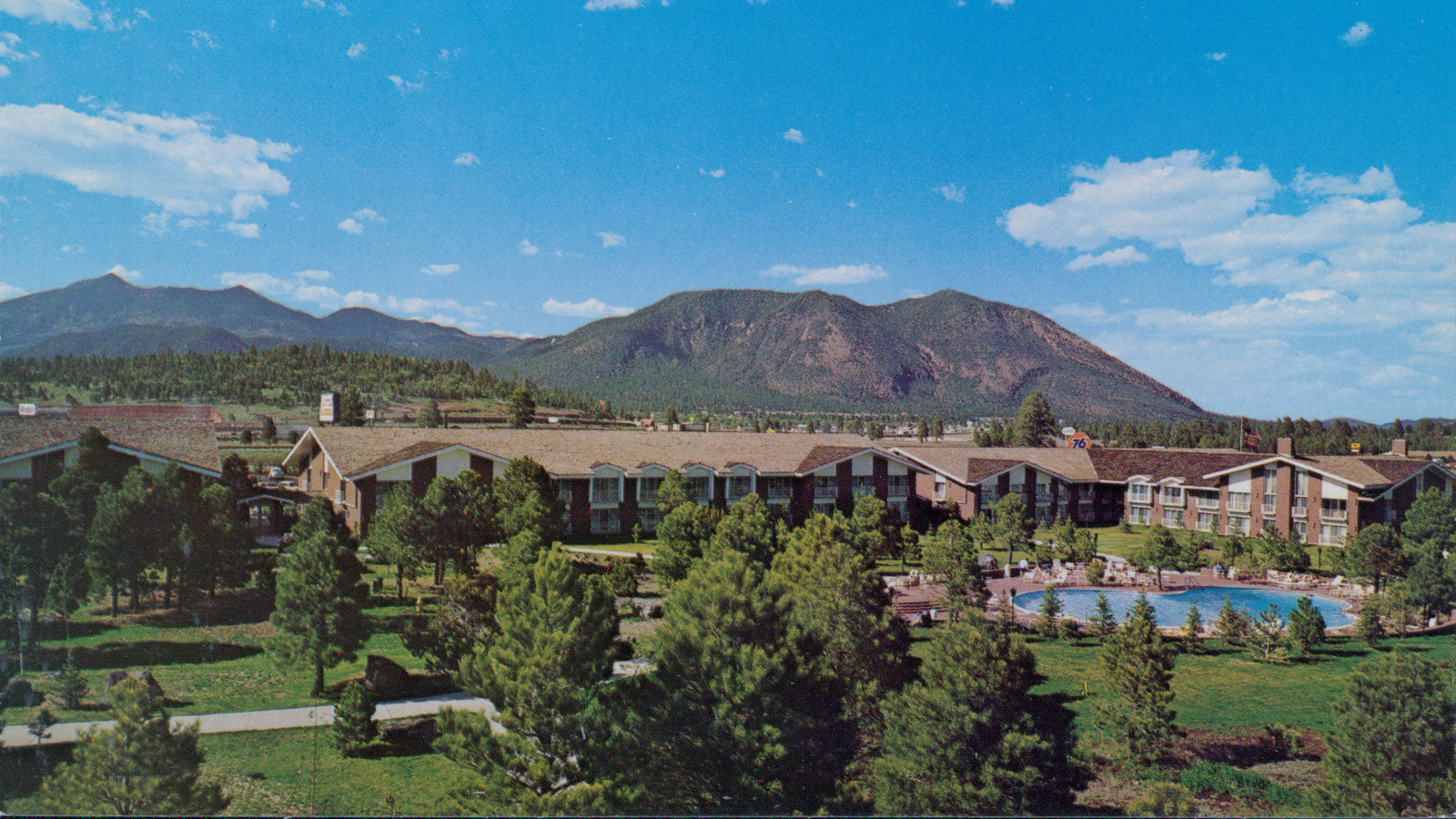
Choosing the right place to stay can make a big difference when visiting Grand Canyon National Park. Whether you want quick access to viewpoints or more budget-friendly options, there are several great choices both inside and outside the park.
🏨 Staying Inside the Park (Best for Convenience)
Staying inside Grand Canyon National Park—especially on the South Rim—gives you the easiest access to Grand Canyon photography spots, hiking trails, and sunrise/sunset viewpoints.
Benefits:
- 🌅 Quick access to sunrise and sunset locations
- 🚶 Walking distance to major viewpoints
- 🚌 Easy access to shuttle buses
- ⏰ No need to drive in and out of the park
Popular options include:
- El Tovar Hotel
Historic and upscale lodge located right on the rim. Perfect for travelers looking for comfort and classic charm. - Bright Angel Lodge
A more budget-friendly option with a great location near the Bright Angel Trail. - Maswik Lodge
A modern and comfortable choice within walking distance of the canyon rim. - Mather Campground
Ideal for budget travelers and campers. Great for those planning sunrise photography or early hikes.
👉 Tip: Book several months in advance, especially during spring and summer.
🏡 Tusayan (Closest Town to the Park)
Tusayan is a small town located just outside the South Rim entrance, only about 10–15 minutes away.
Why stay here:
- 🏨 More hotel availability
- 🍴 Restaurants and basic services
- 🚗 Easy access to the park
It’s a great option if you want convenience but can’t find lodging inside the park.
🌄 Flagstaff (Best for More Options)
Flagstaff is about 90 minutes from the South Rim and offers a wider range of accommodations.
Why choose Flagstaff:
- 🏨 More hotels and budget options
- 🍽️ Better variety of restaurants and cafes
- 🛍️ Grocery stores and shopping
- 🌲 Cooler temperatures and forest surroundings
This is a good base if you’re combining your trip with other Arizona destinations or planning a longer road trip.
🧭 Which Option Is Best?
- Best for convenience: Stay inside the park
- Best balance (price + location): Tusayan
- Best for variety and budget: Flagstaff
🛏️ Extra Accommodation Tips
⛺ Camping is great for early starts and a nature experience
📅 Book early (especially peak seasons)
🌅 Choose rim access if you want Grand Canyon sunrise photography
🚗 Consider parking and shuttle access
Conclusion
The best time to visit Grand Canyon National Park depends on your travel style and hiking goals. Spring and fall provide the most comfortable conditions for exploring the canyon, while summer offers full access to facilities and the North Rim. Winter delivers peaceful scenery and fewer crowds.
No matter when you visit, the canyon’s dramatic landscapes, unforgettable hiking trails, and spectacular viewpoints make it one of the greatest natural wonders on Earth.
With proper planning, plenty of water, and an early start on the trails, your visit to the Grand Canyon will be an adventure you’ll remember for a lifetime.
FAQ
What is the best month to visit Grand Canyon National Park?
April, May, September, and October are considered the best months due to comfortable weather and fewer crowds.
How many days should I spend at the Grand Canyon?
Most visitors spend 2–3 days exploring viewpoints and hiking trails.
Can beginners hike in the Grand Canyon?
Yes. The Rim Trail and short sections of Bright Angel Trail are suitable for beginners.
Is hiking to the bottom of the canyon difficult?
Yes. It requires steep hiking and extreme elevation changes.
Do you need permits to hike in the Grand Canyon?
Day hikes do not require permits, but overnight backpacking trips require a backcountry permit.