Introduction


Few places on Earth inspire awe like Grand Canyon National Park. Stretching more than 270 miles across northern Arizona and carved by the powerful Colorado River, the canyon reveals nearly two billion years of geological history in its colorful rock layers.
While millions of visitors come each year simply to admire the views from the rim, the real magic of the park comes from exploring it — hiking down dramatic trails, watching sunrise over endless cliffs, rafting the Colorado River, or stargazing beneath one of the darkest skies in the United States.
This detailed Grand Canyon National Park travel guide highlights the top things to do in Grand Canyon National Park, including must-see viewpoints, the best hikes, travel tips, and where to stay when you visit.
Where Is Grand Canyon National Park

Grand Canyon National Park is located in northern Arizona, in the southwestern United States. It is one of the most famous national parks in the world, known for its massive size, dramatic cliffs, and breathtaking Grand Canyon scenic viewpoints.
The park is divided into two main areas that visitors explore: the South Rim and the North Rim. Each offers a different experience depending on the season and your travel style.
South Rim (Most Popular Area)
The South Rim is the most visited and accessible part of Grand Canyon National Park. It is open year-round and is the best choice for first-time visitors.
What makes the South Rim ideal:
- 🏨 Full visitor facilities – Lodges, restaurants, and shops
- 🚌 Shuttle buses – Easy access to major viewpoints
- 🥾 Famous hiking trails – Bright Angel Trail and South Kaibab Trail
- 📸 Top photography spots – Mather Point, Hopi Point, Yavapai Point
This area is perfect if you want to explore the best photography spots Grand Canyon National Park has to offer without needing to travel far between locations.
North Rim (Quieter & Higher Elevation)
The North Rim offers a more peaceful and less crowded experience. It sits about 1,000 feet higher than the South Rim, which means cooler temperatures and a different perspective of the canyon.
Key things to know:
- 🌲 More remote and less crowded
- ❄️ Seasonal access – Usually open mid-May to mid-October
- 🌄 Unique viewpoints – Different angles of the canyon
- 🥾 Great for quiet hiking and photography
This area is ideal if you’re looking for hidden photography spots Grand Canyon and a more relaxed atmosphere.
Distance Between South Rim and North Rim
Even though they look close on a map, the two rims are far apart in driving distance:
- 🚗 Approx. 4 to 5 hours drive (220+ miles)
Because of this, most visitors choose to explore only one rim per trip—usually the South Rim.
Nearby Cities & How to Get There
Most travelers reach Grand Canyon National Park by car. Here are the closest major cities:
- 🚗 Flagstaff, Arizona – About 1.5 hours away (closest city)
- ✈️ Phoenix, Arizona – About 3.5 to 4 hours away
- 🎰 Las Vegas, Nevada – About 4.5 hours away
Flagstaff is the most convenient base if you want a shorter drive and quick access to the park.
Best Way to Visit
Because of its accessibility, most travelers begin their trip at the South Rim. It offers the best mix of:
- Scenic viewpoints
- Easy hikes
- Visitor services
- Grand Canyon photo locations
If you’re planning a Grand Canyon road trip, the South Rim is the perfect starting point for exploring the park efficiently.
Quick Travel Tips
- 🚗 Renting a car is the easiest way to explore
- ⏰ Arrive early to avoid traffic and parking issues
- 🗺️ Download offline maps (signal can be limited)
- 🎟️ Purchase your park pass in advance if possible
Best Time to Visit Grand Canyon National Park
The best time to visit Grand Canyon National Park depends on the type of experience you’re looking for. Each season offers something unique—from blooming wildflowers in spring to snow-covered canyon views in winter.
🌿 Spring (March – May)
Spring is one of the best seasons to visit Grand Canyon National Park, especially for hiking and photography.
- 🌡️ Mild temperatures across the park
- 🌸 Wildflowers begin to bloom
- 🥾 Ideal for Grand Canyon hiking photography
- 👣 Moderate crowds
The inner canyon is still manageable in terms of heat, making it perfect for longer hikes like Bright Angel Trail.
☀️ Summer (June – August)
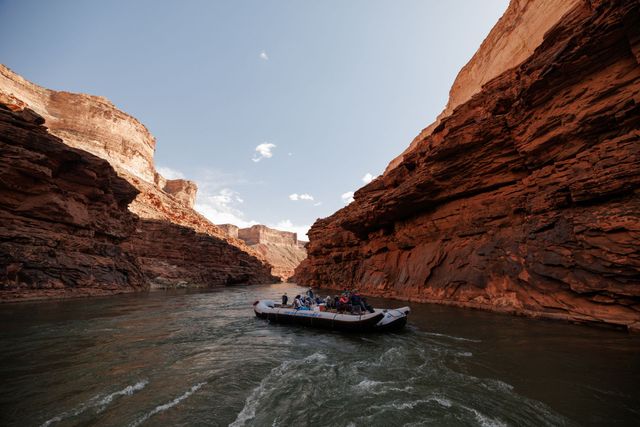
Summer is the busiest time in Grand Canyon National Park, with peak visitor numbers and full access to all facilities.
- 🌡️ Rim temperatures are warm and comfortable
- 🔥 Canyon floor temperatures often exceed 100°F (38°C)
- 🚣 Best season for river rafting
- 🌄 North Rim is open
While it’s great for accessibility, hiking during midday can be dangerous due to extreme heat. Early morning and sunset are best for exploring and Grand Canyon photography spots.
🍂 Fall (September – November)

Fall is another excellent time to visit Grand Canyon National Park, offering a balance of good weather and fewer crowds.
- 🌡️ Cooler and more comfortable temperatures
- 👣 Fewer tourists after Labor Day
- 🍁 Autumn colors (especially near the North Rim)
- 📸 Great lighting for Grand Canyon landscape photography
It’s one of the best seasons for longer hikes and peaceful sightseeing.
❄️ Winter (December – February)

Winter offers a completely different and quieter experience in Grand Canyon National Park.
- ❄️ Snow occasionally covers the rim
- 👣 Fewer crowds and peaceful viewpoints
- 📸 Unique conditions for Grand Canyon photography
- 🌄 Clear air for long-distance views
While it can be cold, winter is perfect if you want a calm atmosphere and dramatic scenery.
🧠 Quick Summary
- Best overall: Spring & Fall
- Best for full access: Summer
- Best for fewer crowds: Winter
- Best for photography: Spring, Fall, and Winter
Top Attractions in Grand Canyon National Park
Grand Canyon National Park is filled with incredible viewpoints, historic landmarks, and scenic areas. Whether you’re visiting for hiking or Grand Canyon photography spots, these attractions should be at the top of your list.
1. Mather Point

One of the most famous and accessible Grand Canyon viewpoints, Mather Point is often the first stop for visitors.
- 📍 Located near the Visitor Center
- 🌅 One of the best spots for Grand Canyon sunrise photography
- 👣 Easy walking access
It offers wide, breathtaking canyon views, making it perfect for first-time visitors and photographers.
2. Yavapai Observation Station

This viewpoint combines education with incredible scenery.
- 🏛️ Features geology exhibits and large viewing windows
- 📸 Excellent for Grand Canyon landscape photography
- 👀 Offers one of the clearest views of canyon layers
It’s a great place to understand the canyon while enjoying the view.
3. Desert View Watchtower

The Desert View Watchtower is one of the most iconic landmarks in the park.
- 🏰 Built in 1932
- 🌄 Offers elevated views of the canyon and Colorado River
- 📷 Perfect for creative Grand Canyon photo locations
Climb to the top for a unique perspective of the canyon.
4. Grand Canyon Village
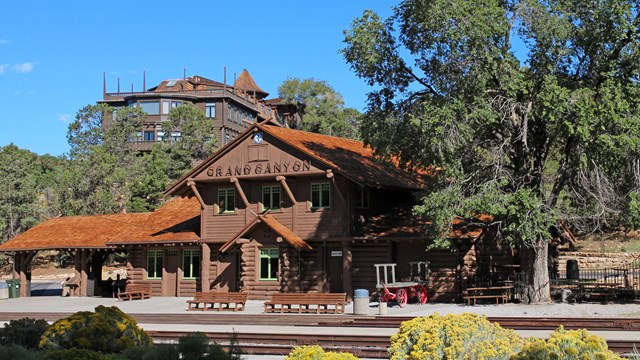
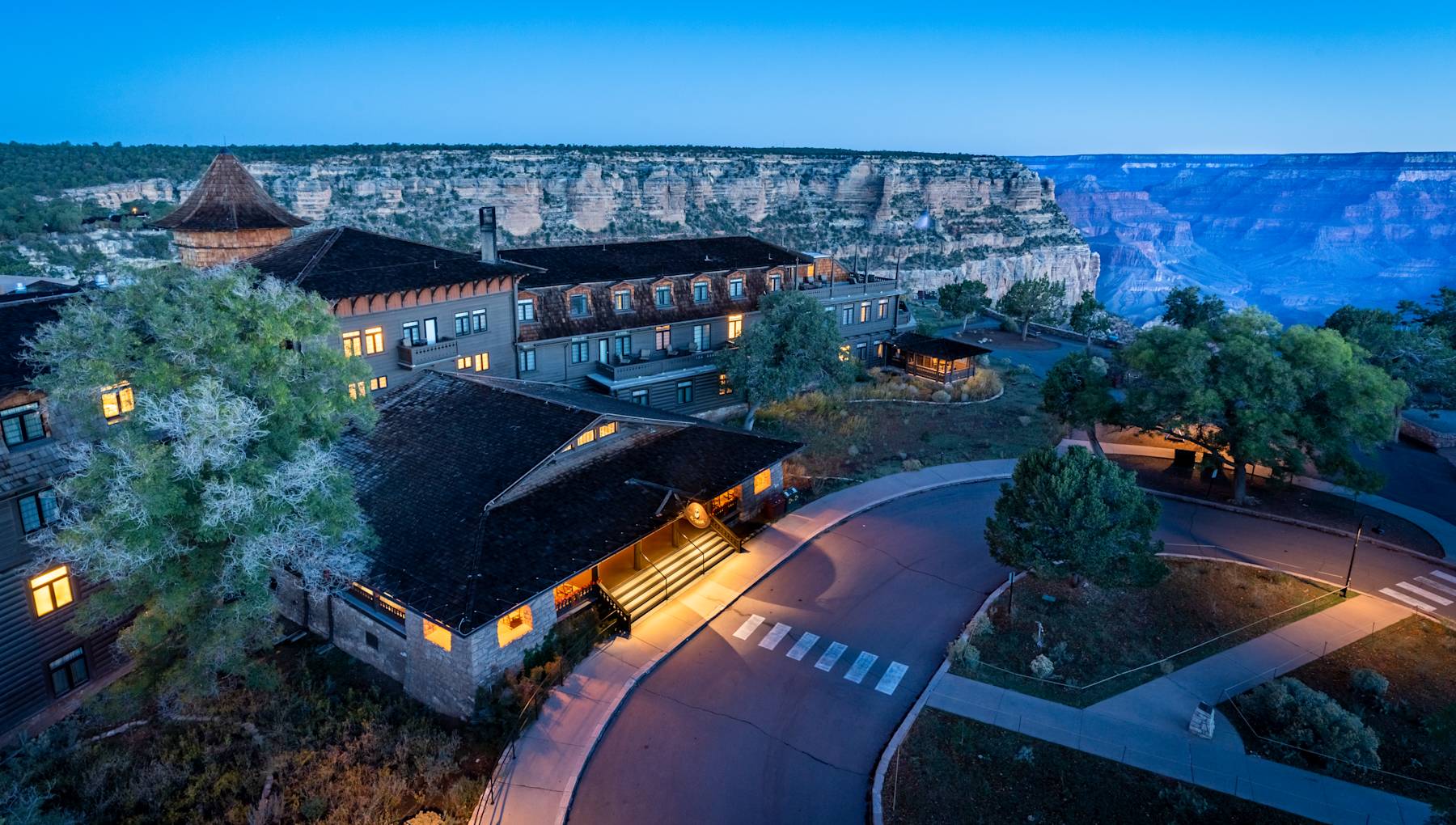
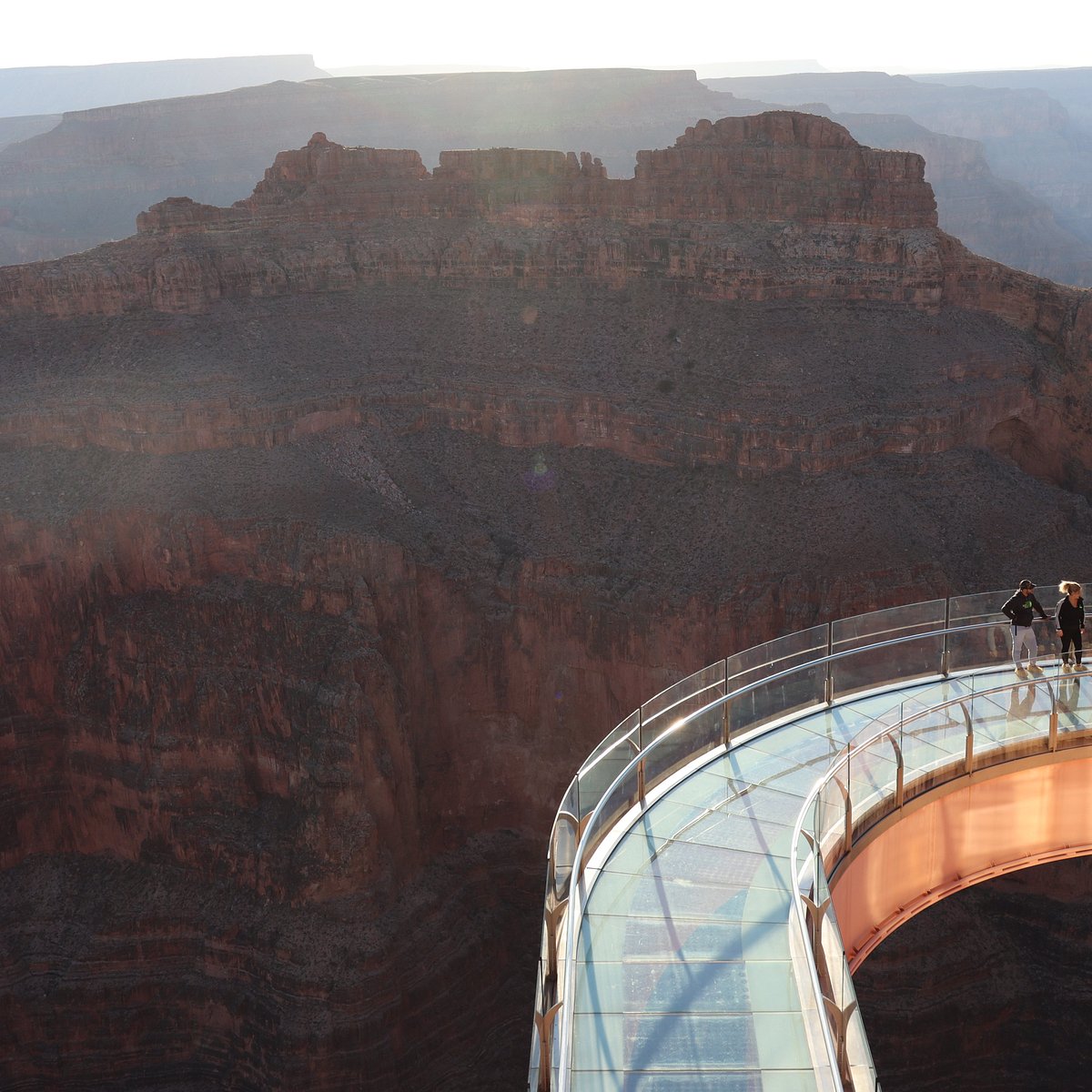
Grand Canyon Village is the main hub of the South Rim and a great base for exploring the park.
- 🏨 Lodges, restaurants, and visitor services
- 🚌 Shuttle connections to major viewpoints
- 🏛️ Museums and historic buildings
It’s the best place to stay if you want easy access to top attractions and Grand Canyon scenic viewpoints.
5. Hopi Point

One of the best spots for sunset in the park.
- 🌄 Panoramic views of the canyon
- 🌅 Famous for Grand Canyon sunset photography spots
- 🚶 Accessible via shuttle or Rim Trail
A must-visit location for dramatic evening views.
6. Lipan Point

Lipan Point offers some of the widest and most dramatic views in the park.
- 🌄 Clear views of the Colorado River
- 📸 Ideal for sunrise, sunset, and night photography Grand Canyon
- 🚗 Easy access via Desert View Drive
It’s one of the best Grand Canyon photography spots for capturing depth and scale.
7. Hermits Rest

Located at the end of Hermit Road, this historic spot offers a peaceful setting.
- 🏡 Rustic stone structure with scenic views
- 🌄 Great for sunset
- 🚶 Accessible by shuttle
A quieter alternative to busier viewpoints.
Why These Attractions Matter
These locations give you:
- The best viewpoints in Grand Canyon National Park
- Easy access to iconic photo spots
- A mix of history, nature, and scenery
- Perfect stops for a road trip itinerary
Best Hikes in Grand Canyon National Park

Exploring Grand Canyon National Park hikes is one of the most memorable ways to experience the canyon. Hiking below the rim gives you a completely different perspective compared to viewpoints, with changing landscapes, deeper colors, and fewer crowds.
Whether you’re looking for an easy walk or a challenging adventure, these are the best hikes for photography Grand Canyon offers.
Bright Angel Trail
- Distance: Up to 9.5 miles round trip (to Havasupai Gardens)
- Difficulty: Strenuous
Bright Angel Trail is the most popular and well-maintained hiking trail in the park, making it a great choice for many visitors.
Why it’s a top choice:
- 🚰 Seasonal water stations along the route
- 🌳 Some shaded sections (rare in the canyon)
- 🛑 Rest houses for breaks
This trail is ideal for Grand Canyon hiking photography, offering layered canyon views and multiple turnaround points for shorter hikes.
South Kaibab Trail
- Distance: Up to 7 miles round trip
- Difficulty: Strenuous
The South Kaibab Trail follows a ridge line and provides some of the most dramatic and open views in the canyon.
What makes it special:
- 🌄 Unobstructed panoramic views
- 📸 Perfect for sunrise and Grand Canyon landscape photography
- 🥾 Shorter options like Ooh Aah Point or Cedar Ridge
⚠️ Important: There is no water and very little shade on this trail, so start early and carry enough supplies.
Rim Trail
- Distance: Up to 13 miles (one way along the South Rim)
- Difficulty: Easy
The Rim Trail is the best option for visitors who want incredible views without hiking deep into the canyon.
Highlights:
- 🚶 Mostly flat and paved
- 📍 Connects major Grand Canyon scenic viewpoints
- 📸 Excellent for casual photography
You can walk small sections or longer distances depending on your time and energy.
North Kaibab Trail
- Distance: 14 miles (one way to the Colorado River)
- Difficulty: Very strenuous
The North Kaibab Trail is a remote and challenging hike that descends from the North Rim. It is part of the famous Rim-to-Rim hike, which crosses the entire canyon.
Why experienced hikers love it:
- 🌲 Cooler temperatures due to higher elevation
- 🧘 Less crowded than South Rim trails
- 🌄 Unique canyon perspectives
This trail is best suited for experienced hikers prepared for a long and demanding journey.
Hiking Tips for Grand Canyon National Park
Before heading out on any trail, keep these important tips in mind:
- 💧 Carry plenty of water (more than you think you need)
- ⏰ Start early in the morning to avoid heat
- 🥾 Wear proper hiking shoes with good grip
- ❌ Avoid hiking to the river and back in one day
- ☀️ Use sun protection (hat, sunscreen, sunglasses)
Grand Canyon National Park Map and Travel Tips
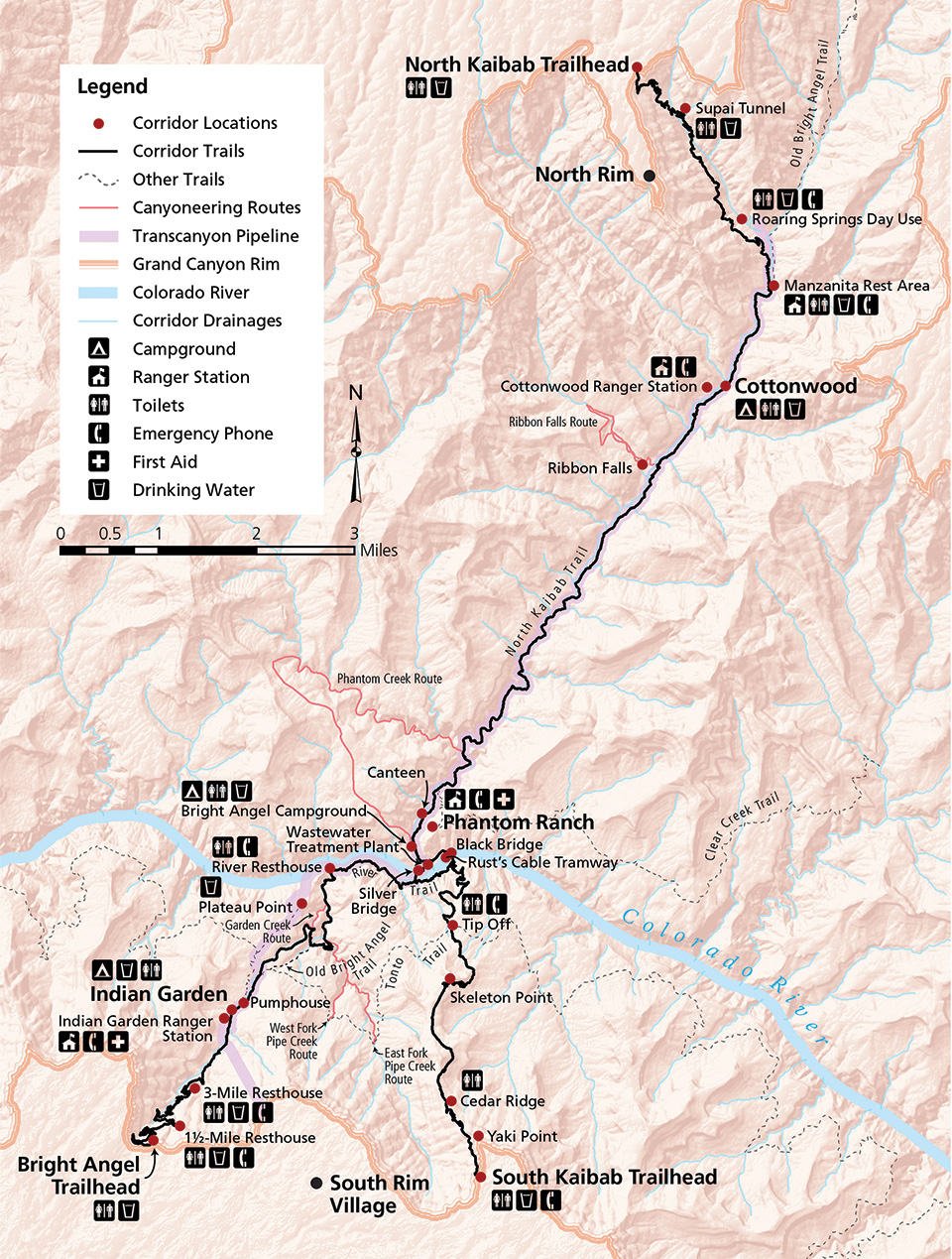
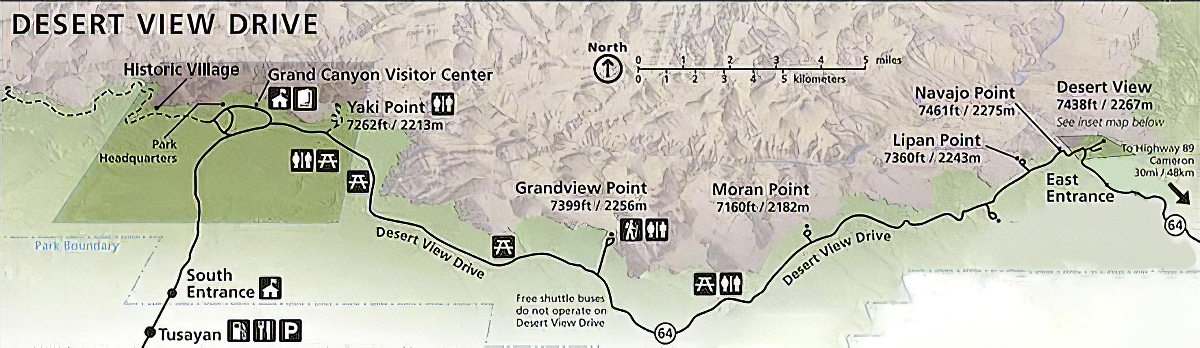
Planning can make a huge difference when visiting Grand Canyon National Park. These practical tips will help you stay safe, avoid common mistakes, and make the most of your trip.
🚌 Use the Shuttle System
Free shuttle buses operate along the South Rim, connecting major viewpoints, trailheads, and visitor areas.
- 🚫 Reduces the need to find parking
- 📍 Stops at popular Grand Canyon scenic viewpoints
- 🕒 Runs frequently during peak seasons
Using the shuttle is one of the easiest ways to explore the best photography spots Grand Canyon without stress.
⏰ Start Early
Temperatures inside the canyon rise quickly, especially in warmer months.
- 🌅 Begin hikes at sunrise if possible
- ☀️ Avoid hiking during midday heat
- 📸 Best lighting for Grand Canyon sunrise photography
Starting early helps you stay safe and enjoy better conditions.
💧 Carry Enough Water
The desert environment can cause dehydration much faster than expected.
- 🥤 Always carry more water than you think you need
- 🚶 Drink regularly, even if you’re not thirsty
- 🔥 Essential during summer hikes
Staying hydrated is critical when exploring Grand Canyon hiking trails.
🔄 Plan Your Turnaround
One of the most common mistakes is underestimating the climb back up.
- ⬇️ Going down is easy, but coming up is much harder
- ⏱️ Plan to turn around earlier than you think
- 🧭 Set a turnaround time and stick to it
A good rule: “Down is optional, up is mandatory.”
🗺️ Download Maps & Check Conditions
Cell service is limited inside the park.
- 📲 Download offline maps before arrival
- 🌦️ Check weather and trail conditions
- 🚧 Some roads or trails may close seasonally
This helps you avoid surprises during your trip.
🎟️ Arrive Early or Book in Advance
The park can get crowded, especially in summer.
- 🚗 Arrive early to secure parking
- 🏨 Book lodging months in advance
- 🎫 Consider buying your park pass ahead of time
Planning ahead saves time and reduces stress.
☀️ Protect Yourself from the Sun
The canyon has intense sun exposure year-round.
- 🧢 Wear a hat and sunglasses
- 🧴 Use sunscreen regularly
- 👕 Light, breathable clothing works best
Sun protection is essential for both hiking and Grand Canyon photography trips.
🥾 Wear Proper Hiking Gear
Even short hikes require proper preparation.
- 👟 Sturdy hiking shoes with grip
- 🎒 Lightweight backpack
- 🧦 Comfortable socks to prevent blisters
Good gear makes your experience safer and more enjoyable.
⚠️ Know Your Limits
The canyon is more challenging than it looks.
- ❌ Avoid overexertion
- 🧗 Choose trails based on your fitness level
- 🛑 Take breaks and listen to your body
It’s better to turn back early than risk your safety.
Where to Stay Near Grand Canyon National Park
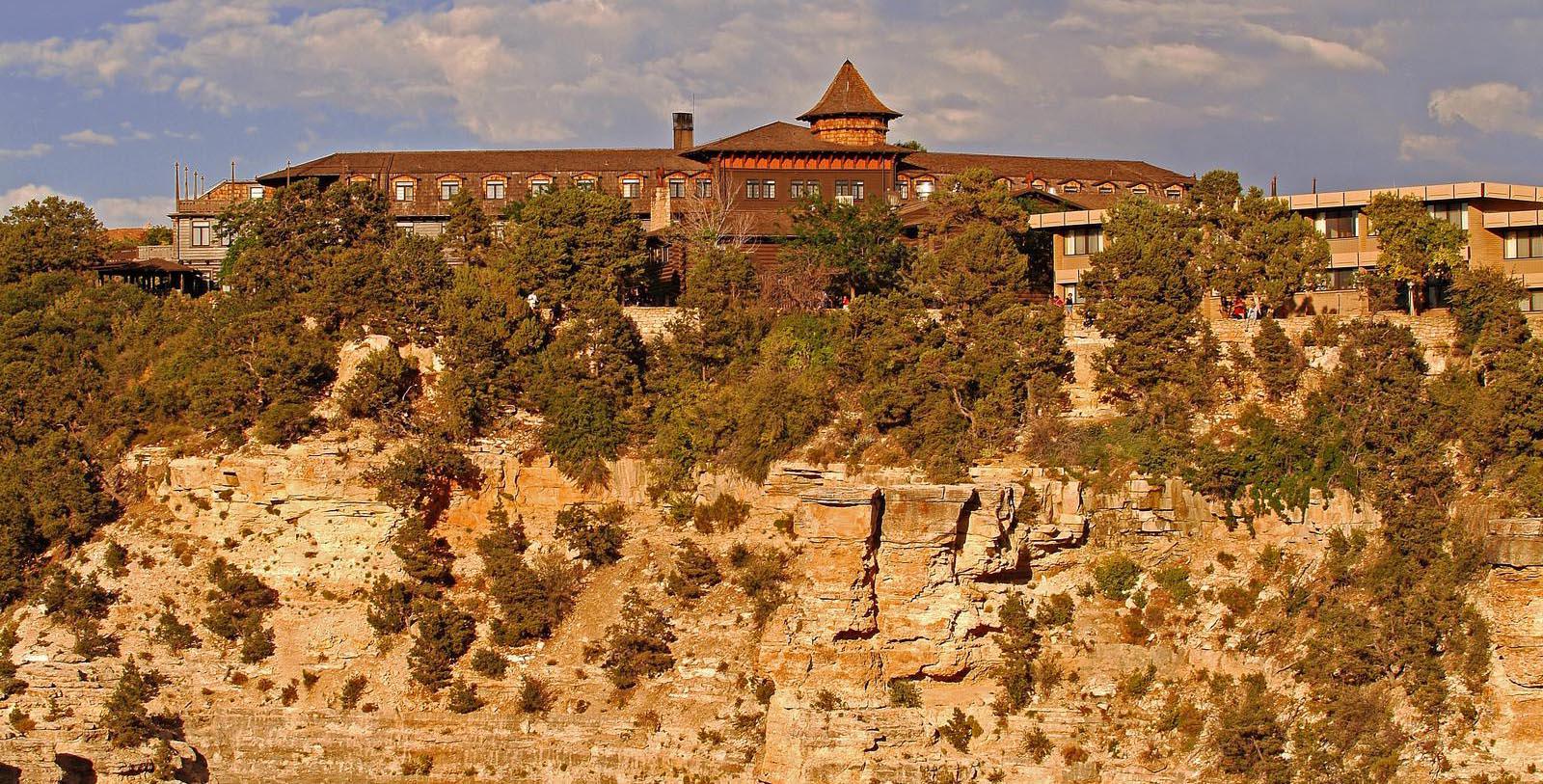

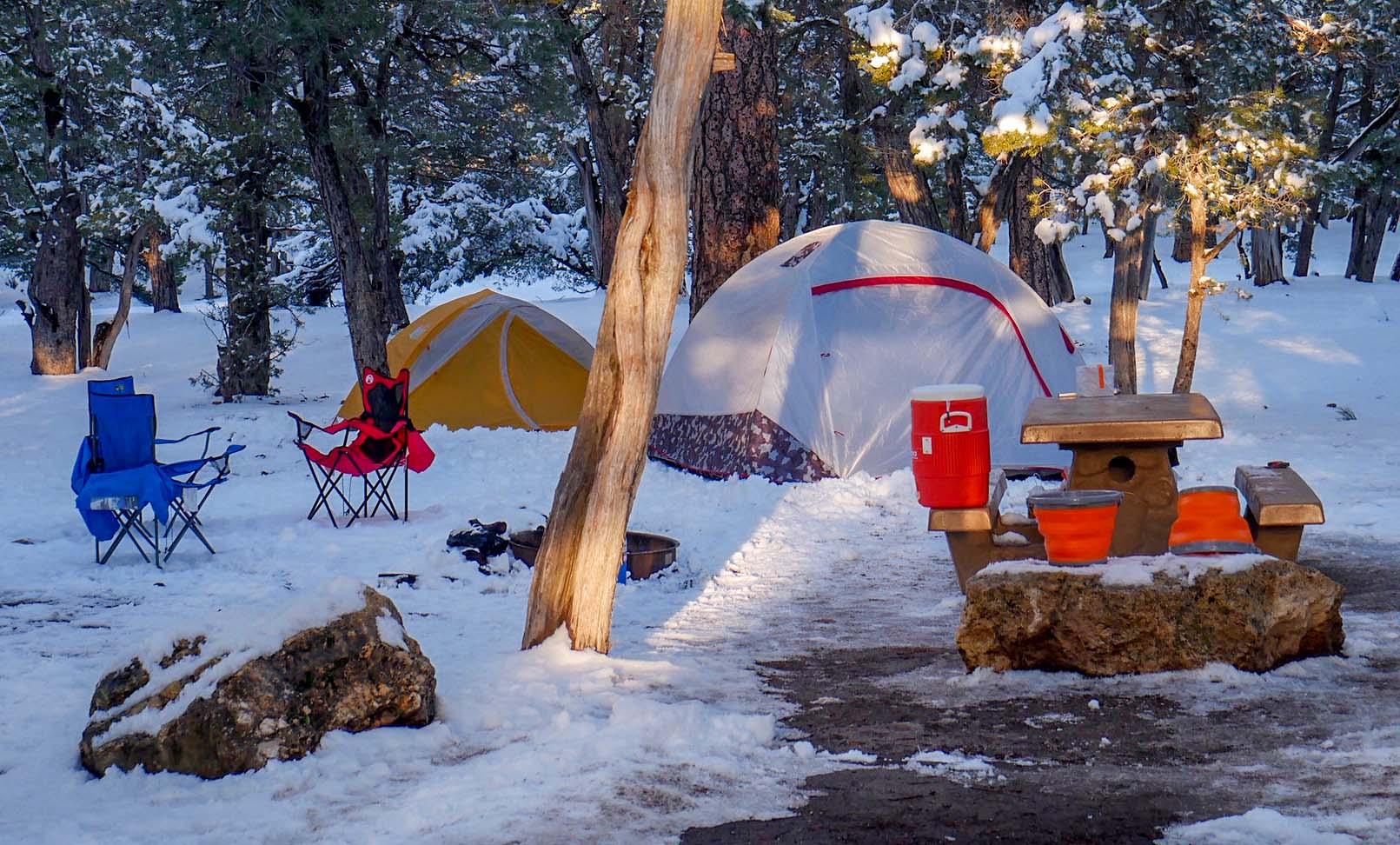
Choosing the right place to stay can make a big difference when visiting Grand Canyon National Park. Whether you want quick access to viewpoints or more budget-friendly options, there are several great choices both inside and outside the park.
🏨 Staying Inside the Park (Best for Convenience)
Staying inside Grand Canyon National Park—especially on the South Rim—gives you the easiest access to Grand Canyon photography spots, hiking trails, and sunrise/sunset viewpoints.
Benefits:
- 🌅 Quick access to sunrise and sunset locations
- 🚶 Walking distance to major viewpoints
- 🚌 Easy access to shuttle buses
- ⏰ No need to drive in and out of the park
Popular options include:
- El Tovar Hotel
Historic and upscale lodge located right on the rim. Perfect for travelers looking for comfort and classic charm. - Bright Angel Lodge
A more budget-friendly option with a great location near the Bright Angel Trail. - Maswik Lodge
A modern and comfortable choice within walking distance of the canyon rim. - Mather Campground
Ideal for budget travelers and campers. Great for those planning sunrise photography or early hikes.
👉 Tip: Book several months in advance, especially during spring and summer.
🏡 Tusayan (Closest Town to the Park)
Tusayan is a small town located just outside the South Rim entrance, only about 10–15 minutes away.
Why stay here:
- 🏨 More hotel availability
- 🍴 Restaurants and basic services
- 🚗 Easy access to the park
It’s a great option if you want convenience but can’t find lodging inside the park.
🌄 Flagstaff (Best for More Options)
Flagstaff is about 90 minutes from the South Rim and offers a wider range of accommodations.
Why choose Flagstaff:
- 🏨 More hotels and budget options
- 🍽️ Better variety of restaurants and cafes
- 🛍️ Grocery stores and shopping
- 🌲 Cooler temperatures and forest surroundings
This is a good base if you’re combining your trip with other Arizona destinations or planning a longer road trip.
🧭 Which Option Is Best?
- Best for convenience: Stay inside the park
- Best balance (price + location): Tusayan
- Best for variety and budget: Flagstaff
🛏️ Extra Accommodation Tips
- 📅 Book early (especially peak seasons)
- 🌅 Choose rim access if you want Grand Canyon sunrise photography
- 🚗 Consider parking and shuttle access
- ⛺ Camping is great for early starts and a nature experience
Conclusion
A trip to Grand Canyon National Park is one of the most unforgettable outdoor experiences in the world. From sunrise viewpoints and scenic drives to epic hiking trails and peaceful stargazing, the park offers something for every traveler.
Whether you’re exploring the South Rim viewpoints, hiking down Bright Angel Trail, or watching the sunset paint the canyon walls in shades of red and gold, the Grand Canyon leaves a lasting impression on everyone who visits.
Plan your trip carefully, bring plenty of water, and take time to truly appreciate one of the greatest natural wonders on Earth.
FAQ
What is the best thing to do in Grand Canyon National Park?
Hiking the Bright Angel Trail or South Kaibab Trail and watching sunrise from the South Rim are among the most popular experiences.
How many days should I spend in the Grand Canyon?
Most visitors spend 2–3 days exploring viewpoints and hiking trails.
Can beginners hike in the Grand Canyon?
Yes. The Rim Trail and short sections of Bright Angel Trail are suitable for beginners.
Is the North Rim worth visiting?
Yes. It offers quieter views and cooler temperatures but is open only seasonally.
Do you need permits to hike the Grand Canyon?
Day hikes usually do not require permits, but overnight backpacking trips require a backcountry permit.