Introduction
Few places on Earth feel as vast, raw, and unforgettable as Grand Canyon National Park. Standing on the rim for the first time, watching the Colorado River carve through layers of ancient rock, you quickly realize this isn’t just another viewpoint—it’s an experience that stays with you.
This Grand Canyon National Park travel guide is designed specifically for first-time visitors. Whether you’re planning your first hike, figuring out the best time to visit, or deciding where to stay, this guide will walk you through everything you need to know to make your trip smooth, memorable, and worth every second.
Before you even enter Grand Canyon National Park, a few simple tips can shape your whole visit. They can help you avoid big crowds and stay safe on the trails. These aren’t just tips—they’re the difference between a stressful visit and an unforgettable one.
⏰ Arrive Early (Before 9 AM) — It Changes Everything
The Grand Canyon gets busy quickly—especially at the South Rim. By mid-morning, parking lots fill up, shuttle lines get long, and viewpoints become crowded.
Arriving early gives you:
- 🚗 Easy parking near major viewpoints
- 🌄 Quiet, crowd-free scenery
- 🌡️ Cooler temperatures (very important in warmer months)
- 📸 Better lighting for Grand Canyon photography
👉 If possible, aim for sunrise. The canyon feels peaceful, and the experience is much more special without crowds.
🌅 Watch Sunrise or Sunset — Don’t Skip This
Midday views are impressive, but sunrise and sunset are when the canyon looks its best.
- Sunrise:
- Soft light and calm atmosphere
- Fewer people
- Perfect for Grand Canyon sunrise photography
- Sunset:
- Deep shadows and glowing red rock layers
- Dramatic skies and colors
- One of the best times for photos
Top spots:
- Sunrise → Mather Point, Yavapai Point
- Sunset → Hopi Point (one of the best Grand Canyon sunset photography spots)
👉 Even if your schedule is tight, don’t miss at least one of these—it’s the highlight of the trip.
⚠️ Don’t Underestimate the Canyon (Seriously)
One of the biggest mistakes visitors make is thinking hiking is easy because it starts downhill.
Here’s the reality:
- ⬇️ Going down is easy
- ⬆️ Coming back up is steep and tiring
- 🔥 It gets much hotter inside the canyon
- 💧 Dehydration and exhaustion can happen quickly
👉 A simple rule: Only go as far as you can comfortably hike back up.
When unsure, turn around earlier—it’s always the safer choice.
👟 Wear Proper Hiking Shoes — Not Optional
Even popular trails in Grand Canyon National Park are not smooth walking paths.
You’ll encounter:
- Loose rocks
- Uneven terrain
- Steep sections and drop-offs
Good hiking shoes provide:
- Better grip on dusty trails
- Ankle support
- More comfort on long walks
👉 Avoid sandals or flat sneakers—they increase the risk of slipping or injury.
📱 Download Offline Maps — You’ll Lose Signal
Cell service is limited in the park, especially once you leave the main areas.
Before your trip:
- 📲 Download Google Maps offline
- 🗺️ Save trails on apps like AllTrails
- 📸 Screenshot shuttle routes and key locations
👉 This is especially important for hiking and finding Grand Canyon photo locations without getting lost.
💧 Bonus Tip: Bring More Water Than You Think
The canyon’s dry desert climate can dehydrate you quickly—even if you don’t feel sweaty.
- Minimum: 2–3 liters per person
- Bring more for longer hikes
- Drink regularly, not just when thirsty
👉 If you think you have enough water… bring a little extra. It can make a big difference.
☀️ Extra Tips to Make Your Trip Better
- 🧢 Wear a hat and sunscreen (sun is strong year-round)
- 🎒 Carry snacks or energy bars for hikes
- 🚻 Use restrooms at visitor areas before heading out
- 🚌 Use shuttle buses to avoid parking stress
- 📅 Visit weekdays if possible for fewer crowds
Where Is Grand Canyon National Park?
Where Is Grand Canyon National Park
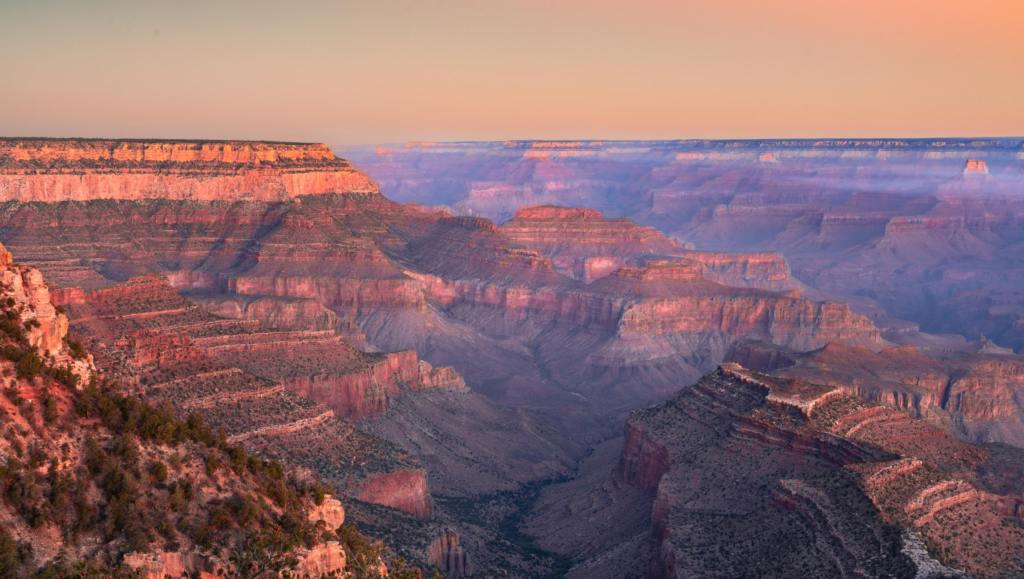
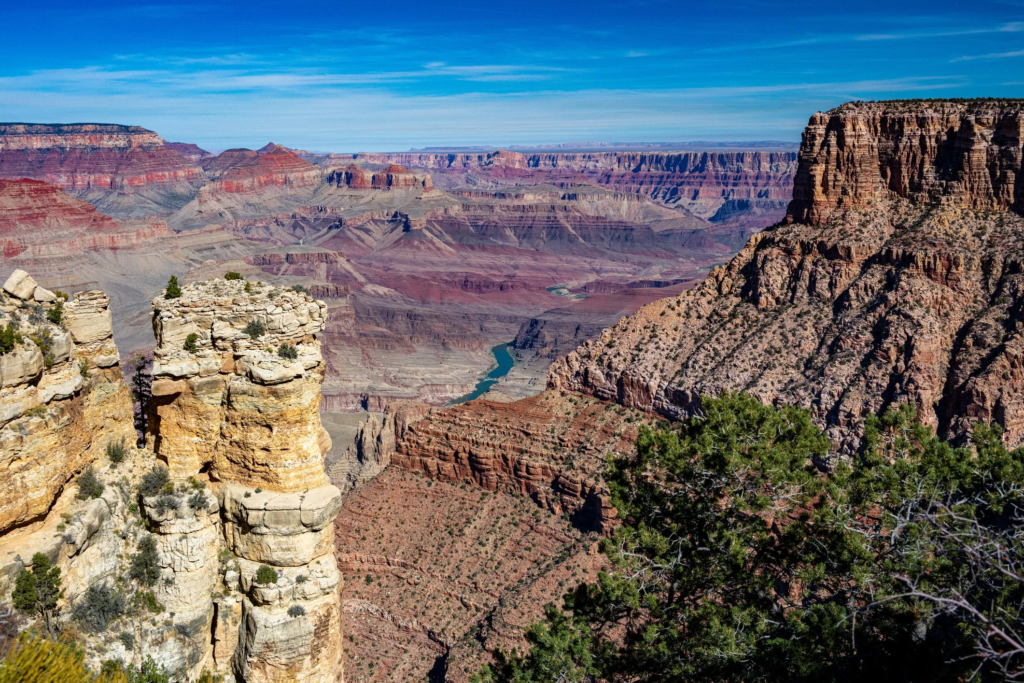
Grand Canyon National Park is located in northern Arizona, in the southwestern United States. It is one of the most famous national parks in the world, known for its massive size, dramatic cliffs, and breathtaking Grand Canyon scenic viewpoints.
The park is divided into two main areas that visitors explore: the South Rim and the North Rim. Each offers a different experience depending on the season and your travel style.
South Rim (Most Popular Area)
The South Rim is the most visited and accessible part of Grand Canyon National Park. It is open year-round and is the best choice for first-time visitors.
What makes the South Rim ideal:
- 🏨 Full visitor facilities – Lodges, restaurants, and shops
- 🚌 Shuttle buses – Easy access to major viewpoints
- 🥾 Famous hiking trails – Bright Angel Trail and South Kaibab Trail
- 📸 Top photography spots – Mather Point, Hopi Point, Yavapai Point
This area is perfect if you want to explore the best photography spots Grand Canyon National Park has to offer without needing to travel far between locations.
North Rim (Quieter & Higher Elevation)
The North Rim offers a more peaceful and less crowded experience. It sits about 1,000 feet higher than the South Rim, which means cooler temperatures and a different perspective of the canyon.
Key things to know:
- 🌲 More remote and less crowded
- ❄️ Seasonal access – Usually open mid-May to mid-October
- 🌄 Unique viewpoints – Different angles of the canyon
- 🥾 Great for quiet hiking and photography
This area is ideal if you’re looking for hidden photography spots Grand Canyon and a more relaxed atmosphere.
Distance Between South Rim and North Rim
Even though they look close on a map, the two rims are far apart in driving distance:
- 🚗 Approx. 4 to 5 hours drive (220+ miles)
Because of this, most visitors choose to explore only one rim per trip—usually the South Rim.
Nearby Cities & How to Get There
Most travelers reach Grand Canyon National Park by car. Here are the closest major cities:
- 🚗 Flagstaff, Arizona – About 1.5 hours away (closest city)
- ✈️ Phoenix, Arizona – About 3.5 to 4 hours away
- 🎰 Las Vegas, Nevada – About 4.5 hours away
Flagstaff is the most convenient base if you want a shorter drive and quick access to the park.
Best Way to Visit
Because of its accessibility, most travelers begin their trip at the South Rim. It offers the best mix of:
- Scenic viewpoints
- Easy hikes
- Visitor services
- Grand Canyon photo locations
If you’re planning a Grand Canyon road trip, the South Rim is the perfect starting point for exploring the park efficiently.
Quick Travel Tips
- 🚗 Renting a car is the easiest way to explore
- ⏰ Arrive early to avoid traffic and parking issues
- 🗺️ Download offline maps (signal can be limited)
- 🎟️ Purchase your park pass in advance if possible
Grand Canyon National Park is located in northern Arizona, USA, and stretches across 277 miles of the Colorado River. The park is divided into two main areas:
Best Time to Visit Grand Canyon National Park
The best time to visit Grand Canyon National Park depends on the type of experience you’re looking for. Each season offers something unique—from blooming wildflowers in spring to snow-covered canyon views in winter.
🌿 Spring (March – May)
Spring is one of the best seasons to visit Grand Canyon National Park, especially for hiking and photography.
- 🌡️ Mild temperatures across the park
- 🌸 Wildflowers begin to bloom
- 🥾 Ideal for Grand Canyon hiking photography
- 👣 Moderate crowds
The inner canyon is still manageable in terms of heat, making it perfect for longer hikes like Bright Angel Trail.
☀️ Summer (June – August)
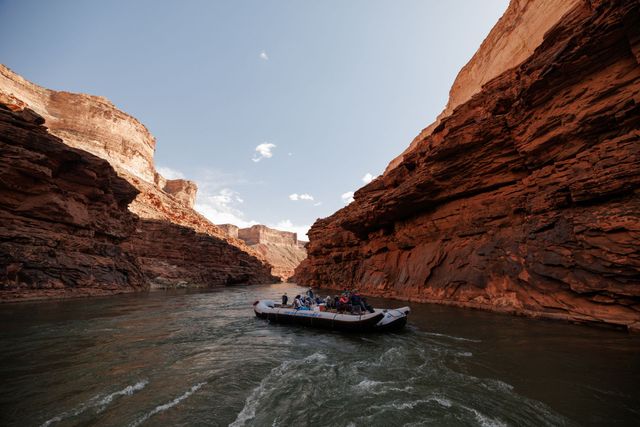
Summer is the busiest time in Grand Canyon National Park, with peak visitor numbers and full access to all facilities.
- 🌡️ Rim temperatures are warm and comfortable
- 🔥 Canyon floor temperatures often exceed 100°F (38°C)
- 🚣 Best season for river rafting
- 🌄 North Rim is open
While it’s great for accessibility, hiking during midday can be dangerous due to extreme heat. Early morning and sunset are best for exploring and Grand Canyon photography spots.
🍂 Fall (September – November)

Fall is another excellent time to visit Grand Canyon National Park, offering a balance of good weather and fewer crowds.
- 🌡️ Cooler and more comfortable temperatures
- 👣 Fewer tourists after Labor Day
- 🍁 Autumn colors (especially near the North Rim)
- 📸 Great lighting for Grand Canyon landscape photography
It’s one of the best seasons for longer hikes and peaceful sightseeing.
❄️ Winter (December – February)

Winter offers a completely different and quieter experience in Grand Canyon National Park.
- ❄️ Snow occasionally covers the rim
- 👣 Fewer crowds and peaceful viewpoints
- 📸 Unique conditions for Grand Canyon photography
- 🌄 Clear air for long-distance views
While it can be cold, winter is perfect if you want a calm atmosphere and dramatic scenery.
🧠 Quick Summary
Best for photography: Spring, Fall, and Winterrfect balance of weather and crowd levels.
Best overall: Spring & Fall
Best for full access: Summer
Best for fewer crowds: Winter
Top Attractions in Grand Canyon National Park
Grand Canyon National Park is filled with incredible viewpoints, historic landmarks, and scenic areas. Whether you’re visiting for hiking or Grand Canyon photography spots, these attractions should be at the top of your list.
1. Mather Point

One of the most famous and accessible Grand Canyon viewpoints, Mather Point is often the first stop for visitors.
- 📍 Located near the Visitor Center
- 🌅 One of the best spots for Grand Canyon sunrise photography
- 👣 Easy walking access
It offers wide, breathtaking canyon views, making it perfect for first-time visitors and photographers.
2. Yavapai Observation Station

This viewpoint combines education with incredible scenery.
- 🏛️ Features geology exhibits and large viewing windows
- 📸 Excellent for Grand Canyon landscape photography
- 👀 Offers one of the clearest views of canyon layers
It’s a great place to understand the canyon while enjoying the view.
3. Desert View Watchtower

The Desert View Watchtower is one of the most iconic landmarks in the park.
- 🏰 Built in 1932
- 🌄 Offers elevated views of the canyon and Colorado River
- 📷 Perfect for creative Grand Canyon photo locations
Climb to the top for a unique perspective of the canyon.
4. Grand Canyon Village
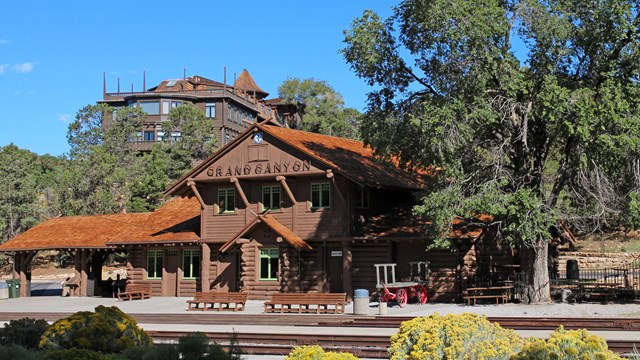
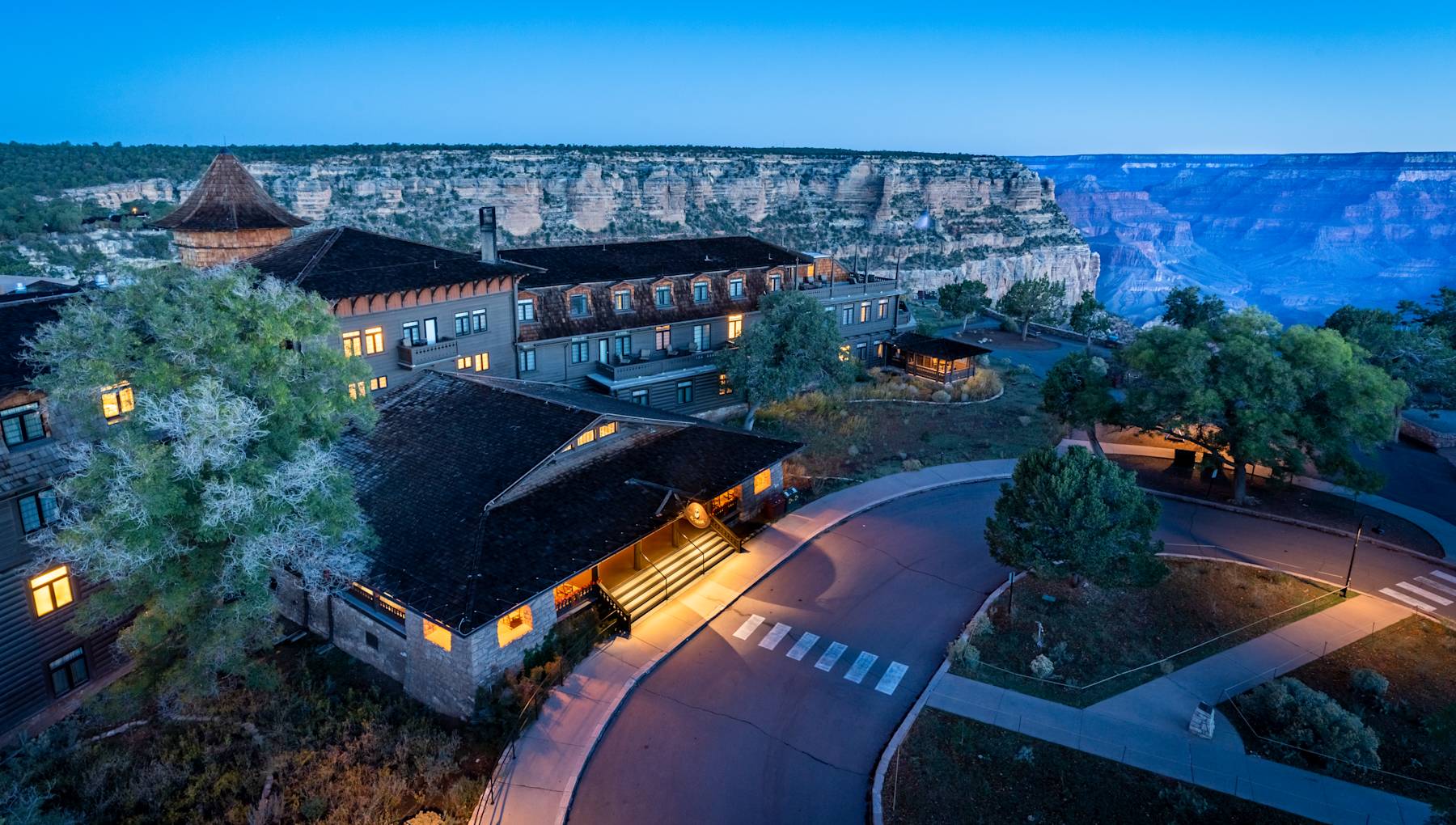
Grand Canyon Village is the main hub of the South Rim and a great base for exploring the park.
- 🏨 Lodges, restaurants, and visitor services
- 🚌 Shuttle connections to major viewpoints
- 🏛️ Museums and historic buildings
It’s the best place to stay if you want easy access to top attractions and Grand Canyon scenic viewpoints.
5. Hopi Point

One of the best spots for sunset in the park.
- 🌄 Panoramic views of the canyon
- 🌅 Famous for Grand Canyon sunset photography spots
- 🚶 Accessible via shuttle or Rim Trail
A must-visit location for dramatic evening views.
6. Lipan Point

Lipan Point offers some of the widest and most dramatic views in the park.
- 🌄 Clear views of the Colorado River
- 📸 Ideal for sunrise, sunset, and night photography Grand Canyon
- 🚗 Easy access via Desert View Drive
It’s one of the best Grand Canyon photography spots for capturing depth and scale.
7. Hermits Rest

Located at the end of Hermit Road, this historic spot offers a peaceful setting.
- 🏡 Rustic stone structure with scenic views
- 🌄 Great for sunset
- 🚶 Accessible by shuttle
A quieter alternative to busier viewpoints.
Why These Attractions Matter
These locations give you:
Descending is optional—climbing back up is mandatory. Always save energy for the return.
The best viewpoints in Grand Canyon National Park
Easy access to iconic photo spots
A mix of history, nature, and scenery
Perfect stops for a road trip itinerary
Grand Canyon National Park Map and Travel Tips
Understanding the Park Layout
The South Rim is well-organized and easy to navigate:
- Hermit Road (scenic viewpoints, shuttle-only access)
- Desert View Drive (open to private vehicles)
- Grand Canyon Village (lodging, food, visitor center)
Essential Travel Tips
- Use the shuttle system – Parking fills quickly
- Start hikes early – Avoid heat and crowds
- Carry plenty of water – Minimum 2–3 liters per person
- Check weather conditions – Sudden changes are common
- Stay on marked trails – For safety and preservation
Where to Stay Near Grand Canyon National Park
Choosing the right place to stay depends on your budget and experience preferences.
Inside the Park (Best Experience)
- Grand Canyon Village lodges
- Easy access to sunrise/sunset viewpoints
- Book months in advance
Tusayan (Just Outside South Entrance)
- Hotels, restaurants, and services
- More availability and variety
Flagstaff (Budget-Friendly Option)
- About 1.5 hours away
- Ideal if you’re road-tripping
👉 Tip: Staying inside the park saves time and gives you early access to viewpoints before crowds arrive.
Grand Canyon National Park Tips for First-Time Visitors
Here are some practical tips to make your trip smoother:
- Arrive early (before 9 AM) to avoid crowds
- Watch sunrise or sunset—both are unforgettable
- Don’t rush hiking plans—the canyon is bigger than it looks
- Wear proper hiking shoes—terrain is rough and uneven
- Download offline maps—cell service is limited
Conclusion
Visiting Grand Canyon National Park for the first time is something you’ll never forget. From jaw-dropping viewpoints to challenging hikes and peaceful sunrise moments, the park offers something for everyone.
If you’re new, start with easy trails like the Rim Trail, explore key viewpoints, and take your time soaking in the scale of the canyon. For more adventurous travelers, trails like Bright Angel offer a deeper connection to this incredible landscape.
No matter how you explore it, one thing is certain—the Grand Canyon will leave you wanting more.
FAQ – Grand Canyon National Park Travel Guide
1. How many days do I need at Grand Canyon National Park?
2–3 days is ideal for first-time visitors. This allows time for viewpoints, one hike, and relaxation.
2. Is Grand Canyon National Park suitable for beginners?
Yes. The Rim Trail and viewpoints are accessible and perfect for beginners.
3. Can I visit Grand Canyon National Park without hiking?
Absolutely. Many viewpoints offer incredible views without any hiking.
4. Do I need a permit to hike in the Grand Canyon?
No permit is needed for day hikes. Permits are required for overnight backpacking.
5. What is the best way to get around the park?
The free shuttle system is the most convenient way to explore the South Rim.