Introduction
A weekend trip to Grand Canyon National Park is one of the easiest ways to experience one of the world’s most A weekend trip to the Grand Canyon is one of the easiest and most rewarding ways to experience one of the most famous natural wonders in the world.
The canyon is विशाल (massive), stretching for miles with deep layers of red, orange, and brown rock. What makes it special is how it keeps changing. The light, shadows, and weather all affect how it looks.
In the morning, it feels calm and soft. By afternoon, the colors become stronger. At sunset, everything turns warm and golden.
Even if you only have 2–3 days, you can still enjoy:
- Stunning viewpoints across the canyon
- A short but unforgettable hike
- Peaceful sunrise and sunset moments
- Clear skies filled with stars at night
This guide is simple but detailed enough to help you plan without confusion.
Where is Grand Canyon National Park?

Grand Canyon National Park is located in northern Arizona, in the southwestern United States. It is far from big cities, which helps keep the area natural and quiet.
Because of its location, most visitors travel by car after landing at a nearby airport.
Nearby Cities
- Flagstaff – about 1.5 hours away
- Closest major town
- Good for hotels, food, and fuel
- A nice stop before entering the park
- Phoenix – about 4 hours away
- Large airport with many flight options
- Best choice for international travelers
- Las Vegas – about 4.5 hours away
- Popular starting point for road trips
- Many people combine Vegas + Grand Canyon
👉 Renting a car is the easiest way to reach the park and explore freely.
Main Areas of the Park
The park has two main rims. Choosing the right one makes your trip easier.
South Rim (Best for Most People)
- Open all year
- Most famous viewpoints are here
- Hotels, restaurants, and visitor centers available
- Free shuttle buses connect major spots
This area is well-organized and easy to navigate. Even if it’s your first visit, you won’t feel lost.
👉 Perfect for short trips and beginners.
North Rim (More Remote)
- Open only from mid-May to mid-October
- Less crowded and more peaceful
- Fewer services and facilities
- Longer drive to reach
This side feels more wild and quiet, but it requires more planning.
👉 Better for experienced travelers with more time.
Weekend Trip to Grand Canyon National Park (Simple Plan)
📅 Day 1: Arrival + Easy Views + Sunset
Try to arrive early so you don’t rush your first day.


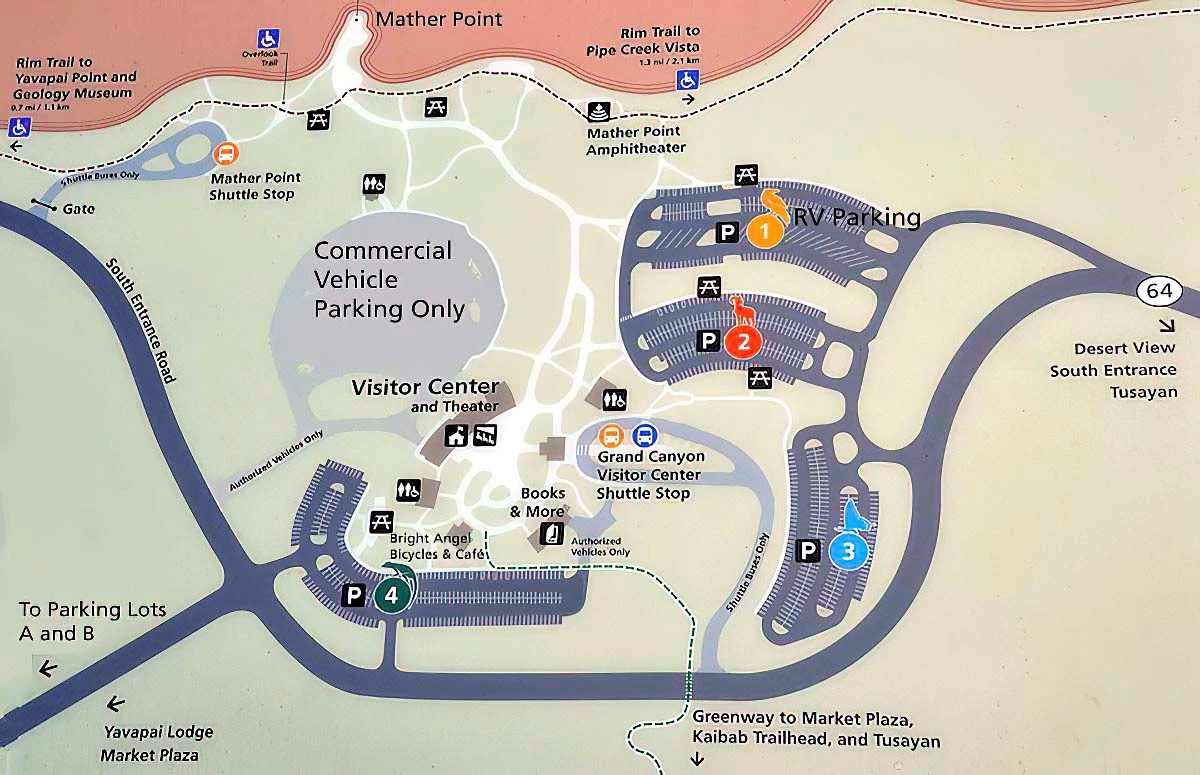
First Stop: Visitor Center
This is the best place to begin.
- Get a park map
- Ask about weather and trail conditions
- Learn about shuttle routes
- Fill your water bottles
👉 A quick stop here will save you time later.
Visit Your First Viewpoints
Start with easy access viewpoints to get your first impression.
- Mather Point
- One of the most famous spots
- Very close to the visitor center
- Wide, dramatic view of the canyon
- Yavapai Point
- Slightly quieter
- Offers a different angle
- Great for relaxed viewing and photos
👉 Take your time here. Sit, look, and enjoy the scale of the canyon.
Walk the Rim Trail
This is one of the easiest and best experiences.
- Mostly flat and paved
- Safe and accessible
- Connects multiple viewpoints
You can walk for 20 minutes or a few hours—it’s up to you.
👉 Perfect way to explore without getting tired.
Sunset at Hopi Point 🌅
End your day with a sunset you won’t forget.
- One of the best sunset locations
- Wide open views
- Colors slowly change from yellow → orange → deep red
👉 Arrive 30–45 minutes early for the best spot.
Take photos, but also pause and enjoy the moment.
📅 Day 2: Sunrise Hike + Explore
This is the most exciting day of your trip.

🌅 Sunrise Experience
Waking up early is worth it here.
- Quiet and peaceful atmosphere
- Soft golden light over the canyon
- Cooler temperatures
👉 It feels calm and almost magical.
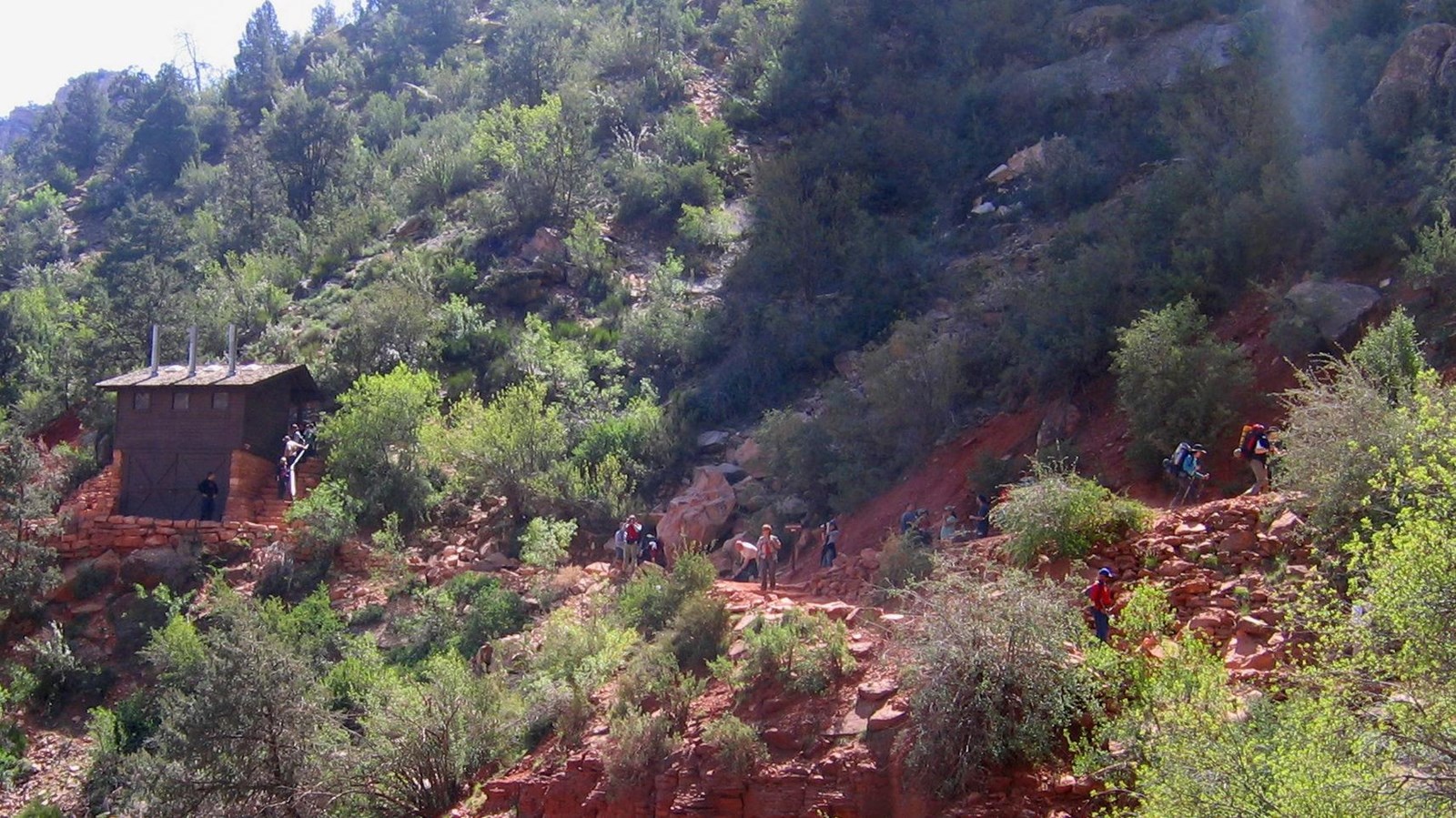
Choose a Short Hike
Hiking gives you a deeper connection to the canyon.
South Kaibab Trail
- Best panoramic views
- More open, less shade
- Steeper sections
👉 Ideal if you want amazing scenery quickly.
Bright Angel Trail
- More gradual and easier
- Some shaded areas
- Water stations available
👉 Safer and more comfortable for beginners.
How Far to Go?
Keep it simple and safe:
- Walk 1–3 miles total
- Turn around early
- Save energy for the return
👉 Always remember: climbing back up is harder.
Hiking Tips
- Start early to avoid heat
- Drink water often
- Wear proper shoes
- Carry light snacks
- Do not push yourself too much
☀️ Afternoon: Relax and Explore
After your hike, slow things down.
- Eat a good meal
- Rest your body
- Sit in shaded areas
Use the Shuttle Bus
The free shuttle makes travel easy.
- Stops at major viewpoints
- No need to drive everywhere
- Saves time and energy
👉 A stress-free way to explore more.
🌌 Stargazing at Night
The Grand Canyon sky is incredibly clear.
- Thousands of stars visible
- Very little light pollution
- Peaceful and quiet surroundings
👉 You don’t need equipment—just look up and enjoy.
📅 Day 3: Desert View Drive + Departure
Take your final day slowly before leaving.


Desert View Drive
This scenic road offers some of the best views in the park.
Grandview Point
- Wide, open canyon views
- Less crowded than other spots
- Good place for quiet reflection
Lipan Point
- One of the few places to clearly see the Colorado River
- Unique and deeper canyon views
Desert View Watchtower
- Historic stone tower
- Panoramic views from the top
- Final highlight before exiting the park
👉 A perfect way to end your trip.
What to Pack
Packing the right items makes your trip more comfortable.
Essentials
- Reusable water bottle
- Comfortable walking shoes
- Hat and sunglasses
- Sunscreen
- Light jacket for cool mornings
Helpful Extras
- Snacks for energy
- Camera or phone
- Small backpack
- Flashlight or headlamp
Safety Tips
The canyon is beautiful but can be dangerous if you’re not careful.
- Stay on marked trails
- Keep a safe distance from edges
- Drink water regularly
- Avoid hiking in peak heat
- Know your limits
👉 Safety should always come first.
Best Time to Visit: Each season offers a different experience.
Spring (March–May)
- Mild weather
- Great for hiking
- Flowers begin to bloom
Summer (June–August)
- Very hot and busy
- Early morning visits are best
Fall (September–November)
- Cooler temperatures
- Fewer crowds
- Beautiful lighting
Winter (December–February)
- Quiet and peaceful
- Chance of snow
- Fewer visitors
👉 Spring and fall are the most comfortable for short trips.
Why This Trip is Worth It
You don’t need a long vacation to enjoy the Grand Canyon.
In just a weekend, you can experience:
- Huge, breathtaking landscapes
- A real hiking adventure
- Calm sunrise moments
- Beautiful sunsets
- Clear, star-filled skies
Each moment feels different, making the trip special.
Final Thoughts
A weekend trip to the Grand Canyon doesn’t need to be complicated.
With a simple plan, you can:
- Visit the best viewpoints
- Enjoy a short hike
- Relax and take in the views
The most important thing is to slow down.
Don’t rush. Don’t try to see everything.
Just enjoy each moment as it comes.
Because the Grand Canyon is not just something you see—
It’s something you feel.
And once you experience it, you’ll always remember it.
Conclusion
A weekend trip to Grand Canyon National Park doesn’t need to be complicated. With a simple plan, you can enjoy the best views, try a short hike, and experience the beauty of this natural wonder.
In just a few days, you’ll get:
- Incredible panoramic views
- A real canyon hiking experience
- Peaceful sunrise, sunset, and starry skies
Take it slow, stay safe, and enjoy every moment—because the Grand Canyon is truly one of those places you’ll never forget.
FAQ: Grand Canyon National Park
1. How early should I arrive on Day 1?
👉 Try to arrive before 10 AM. Parking fills up quickly, and early arrival helps you avoid long lines at the entrance and crowded viewpoints.
2. Which is better for sunrise hike: South Kaibab or Bright Angel?
South Kaibab Trail → Best views, perfect for sunrise photos
Bright Angel Trail → Easier, more shade, better for beginners
If you’re short on time, even hiking 1–2 miles down and back is enough to enjoy the experience.3. Do I need to use the shuttle buses?
👉 Yes, it’s highly recommended.
Parking is limited, and some areas (like Hopi Point) are only accessible by shuttle. It saves time and reduces stress.4. Is 3 days enough for Grand Canyon National Park?
👉 Yes, a 2–3 day trip is perfect to:
See major viewpoints
Do one good hike
Enjoy sunrise, sunset, and stargazing5. Can beginners follow this itinerary?
👉 Absolutely.
This plan includes:
Easy viewpoints
Short optional hikes
Flexible walking options
You don’t need advanced hiking experience.6. What is the best sunset spot in this plan?
👉 Hopi Point is one of the best.
You’ll see the canyon change colors from bright orange to deep red and purple.7. Is stargazing really worth it?
👉 Yes! The park is a Dark Sky Park, meaning:
Very low light pollution
Clear views of stars and the Milky Way
It’s one of the highlights of the trip.8. Do I need a permit for this weekend’s plan?
👉 No permit is needed for:
Day hiking
Visiting viewpoints
Permits are only required for overnight backpacking.9. How much water should I carry?
👉 At least:
2–3 liters per person for short hikes
More if hiking longer distances
Hydration is extremely important in the canyon.10. What should I wear for this trip?
👉 Wear:
Comfortable hiking shoes
Light, breathable clothes
Hat and sunglasses
Light jacket (for early morning & evening)
The weather can change quickly, especially between the rim and the canyon.