Best Time to Visit Grand Canyon National Park
Timing is everything when it comes to capturing the beauty of the Grand Canyon. The light, weather, and even the season can completely change how your photos look. Whether you’re a beginner or someone who loves photography, knowing when and where to shoot can make a huge difference.
Sunrise & Sunset (Golden Hour)


Best for: Grand Canyon sunrise photography and sunset shots
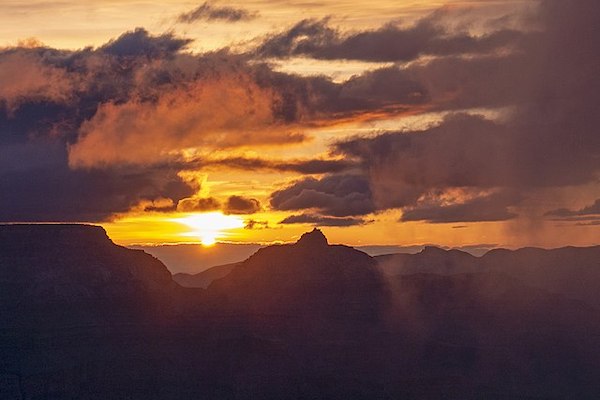
The best time to take photos in the Grand Canyon is during sunrise and sunset, often called the golden hour. During these times, the sunlight is soft and warm, which makes the canyon glow with beautiful shades of orange, red, and gold.
In the early morning, the canyon feels calm and peaceful. The rising sun slowly lights up the rock layers, creating long shadows and depth. Sunset is just as magical. The colors become richer, and the sky often turns pink, purple, and orange.
Some of the best viewpoints for golden hour photography include:
- Mather Point (great for sunrise)
- Hopi Point (one of the best sunset spots)
If you want the best results, arrive at least 30–45 minutes early. This gives you time to set up your camera and enjoy the changing light.
Seasonal Tips

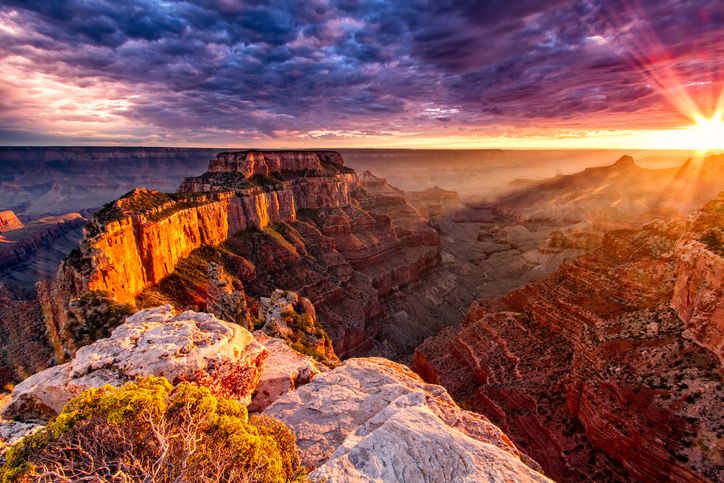
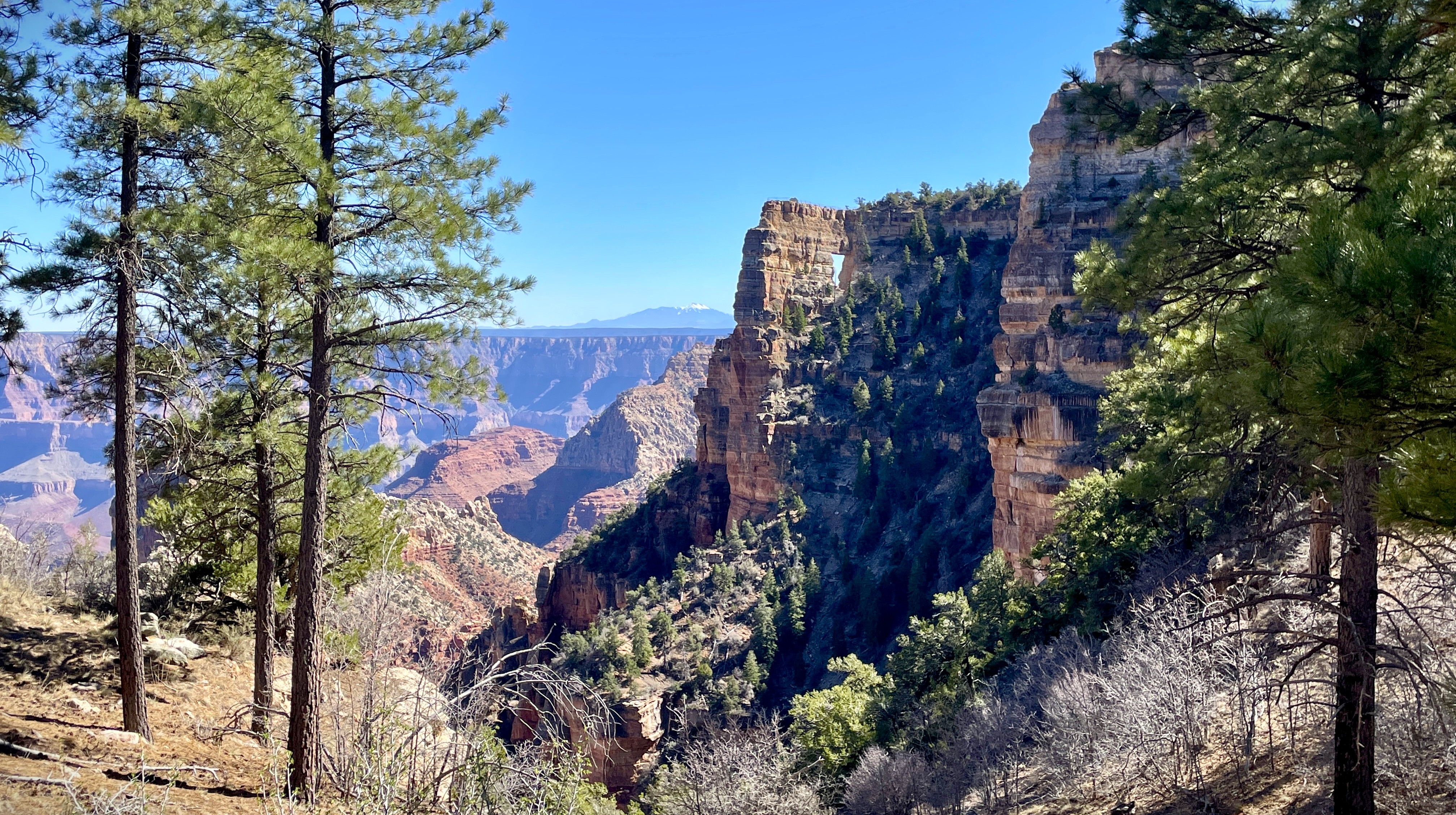
Each season offers a different experience and unique photography opportunities.
Spring (March to May)
Spring is one of the best times to visit. The weather is comfortable, and the crowds are smaller compared to summer. You may also see wildflowers in some areas, which adds color to your photos.
Why it’s great:
- Mild temperatures
- Clear skies
- Fewer tourists
Fall (September to November)
Fall is another excellent time. The weather is cool, and the lighting is perfect for photography. The crowds also start to decrease after summer.
Why it’s great:
- Soft, golden light
- Peaceful atmosphere
- Comfortable hiking conditions
Summer (June to August)
Summer is the busiest season. It can get very hot, especially inside the canyon. However, it also offers longer days, which means more time for photography.
Pros:
- Longer daylight hours
- Clear sunrise and sunset views
Cons:
- Large crowds
- High temperatures
Tip: Shoot early in the morning or later in the evening to avoid harsh sunlight.
Winter (December to February)
Winter brings a completely different look. Snow on the canyon creates a beautiful contrast with the red rocks. It’s also much quieter since fewer people visit during this time.
Why it’s special:
- Snow-covered landscapes
- Fewer crowds
- Unique and rare photo opportunities
Just be prepared for cold weather and possible road closures.
Night Photography & Stargazing


The Grand Canyon is also an amazing place for night photography. It is known for its dark skies, making it perfect for capturing stars and the Milky Way.
Best for:
- Night photography
- Stargazing
- Astrophotography
To get the best results:
- Bring a tripod
- Use a long exposure setting
- Move away from bright areas and crowds
On clear nights, you can see thousands of stars. It’s a completely different experience compared to daytime photography.
Best Photography Spots in the Grand Canyon
Here are some of the most famous and beautiful viewpoints where you can capture stunning photos.
Mather Point Photography

Best for: Sunrise
Mather Point is one of the most popular viewpoints in the park. It is located near the Visitor Center, which makes it very easy to access.
This spot offers wide, panoramic views of the canyon. It’s perfect for beginners and one of the most photographed places in the park.
Why photographers love it:
- Easy access
- Wide open views
- Perfect for first-time visitors
It can get crowded, so arriving early is very important.
Yavapai Point Photography Views


Best for: Midday photography
Yavapai Point is great when the sun is high in the sky. Unlike other locations, this spot is perfect for capturing the canyon’s geological layers in detail.
Highlights:
- Clear, sharp views
- Less crowded than Mather Point
- Great for educational and detailed shots
If you want photos that show depth and structure, this is the place to go.
Hopi Point Sunset Photography


Best for: Sunset
Hopi Point is one of the best places to watch the sunset in the Grand Canyon. It offers multiple views of the Colorado River and wide canyon landscapes.
Why it stands out:
- Incredible golden hour lighting
- Deep canyon views
- Amazing colors during sunset
This location is especially popular with photographers, so arrive early to find a good spot.
Desert View Watchtower Photos


Best for: Creative photography
This location offers something different — a mix of architecture and natural beauty. The watchtower itself is a unique subject, and you can also capture wide views of the canyon.
Why it’s special:
- Unique landmark
- Great for creative compositions
- Located along Desert View Drive
It’s perfect if you want something more than just landscape shots.
Grandview Point Photography

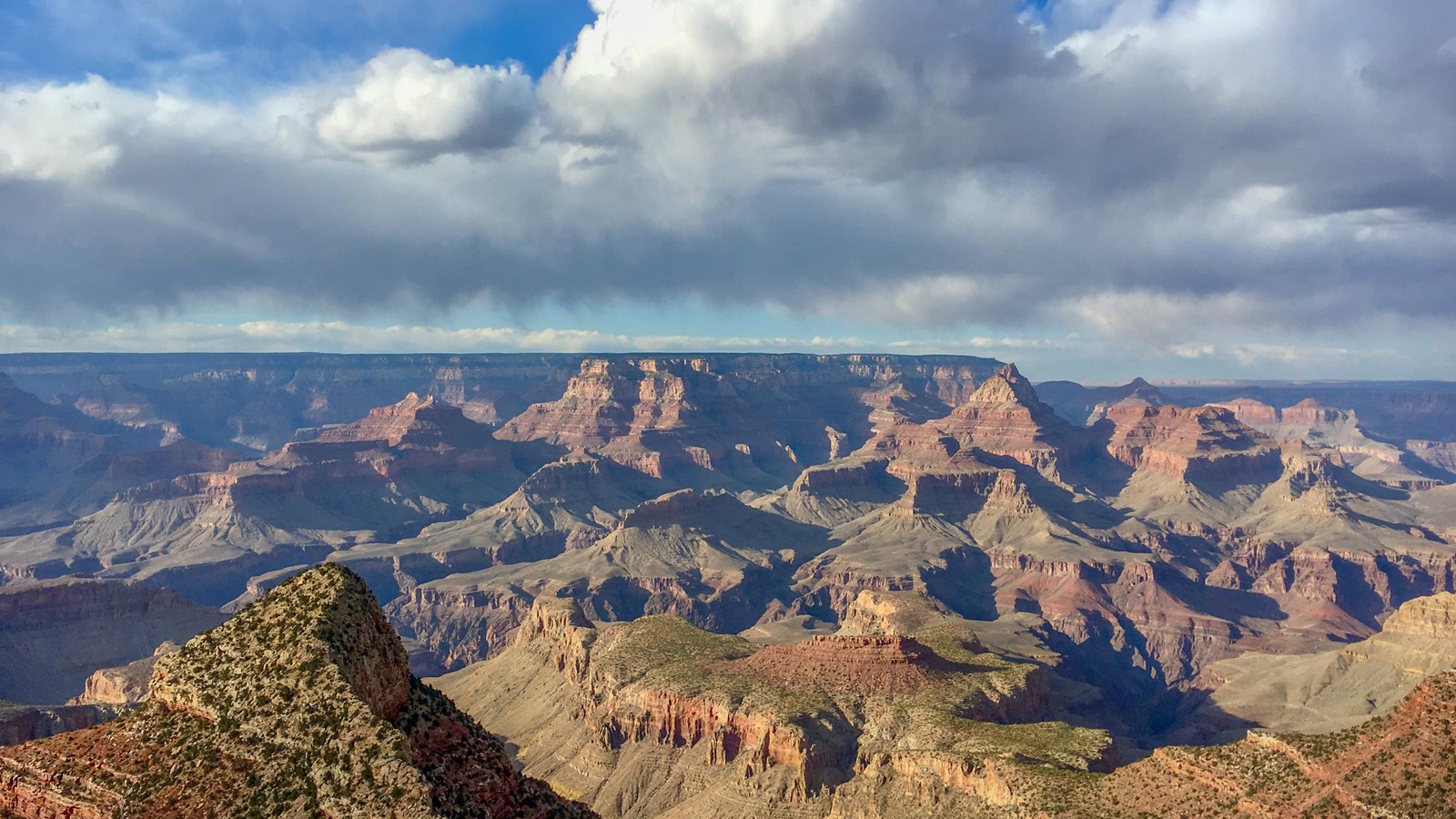

Best for: Sunrise & Sunset
Grandview Point is one of the most underrated spots in the park. It offers stunning views but is less crowded compared to other popular locations.
Highlights:
- Peaceful environment
- Wide canyon views
- Great lighting at both sunrise and sunset
If you want a quieter experience, this is a great choice.
Lipan Point Photography Spot


Offers one of the widest canyon views.
- Best for: Sunrise, sunset, night
- Clear Colorado River views
- Ideal for stargazing photography in the Grand Canyon
Yaki Point (Hidden Gem)

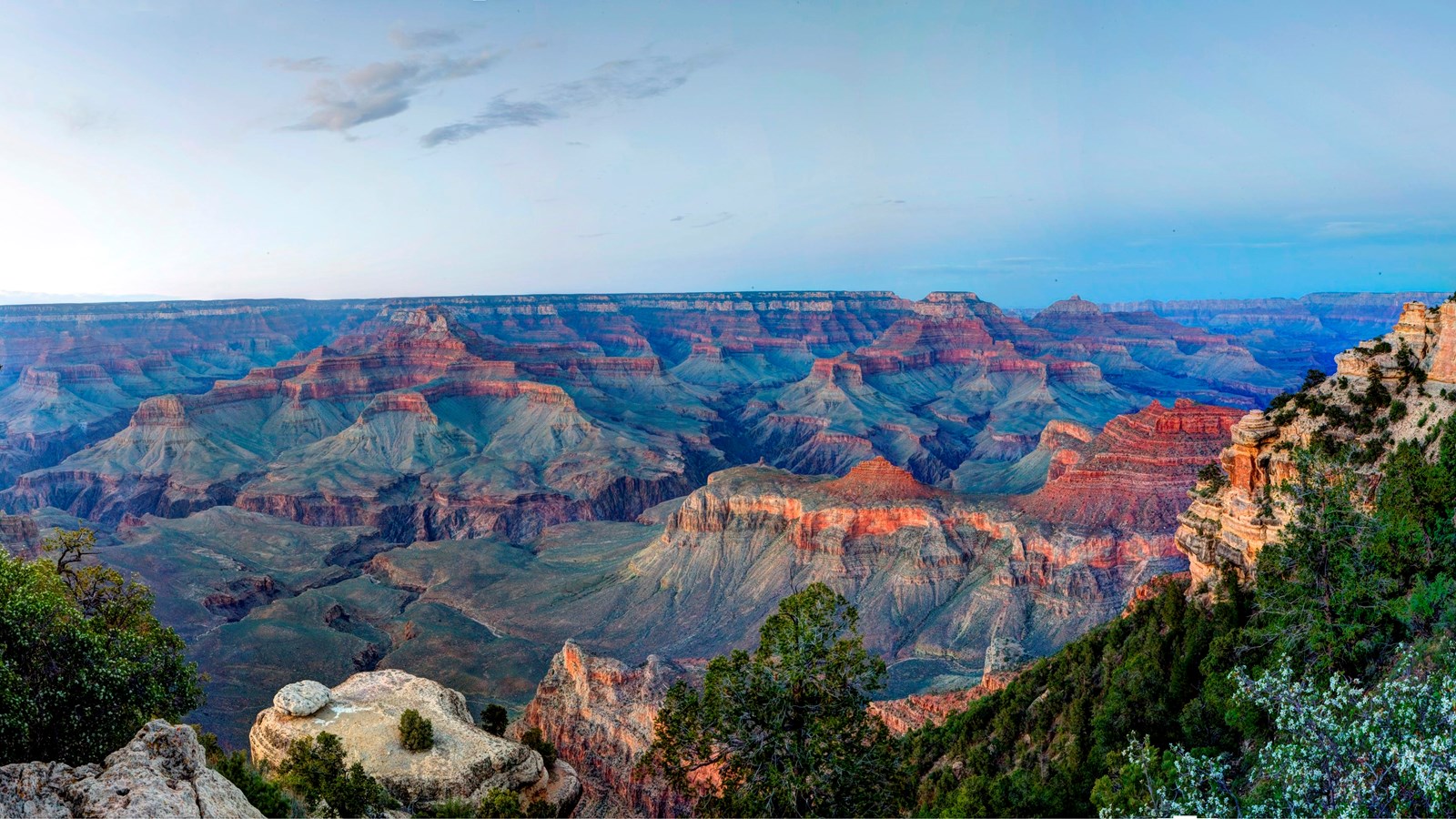

Best for: Sunrise and sunset
Lipan Point is another fantastic spot, especially if you want to capture the Colorado River winding through the canyon.
Why it’s amazing:
- One of the best river views
- Dramatic rock formations
- Less crowded than major viewpoints
This location gives your photos more depth and interest.
Final Tips for Grand Canyon Photography
- Always check sunrise and sunset times before your visit
- Bring extra batteries and memory cards
- Use a tripod for low-light and night photography
- Stay safe and keep distance from cliff edges
- Be patient — the best light lasts only a few minutes
Conclusion
The Grand Canyon is one of the most beautiful places in the world, and every visit can feel different. With the right timing and the right location, you can capture truly unforgettable photos.
If you’re short on time, focus on:
- Mather Point for sunrise
- Hopi Point for sunset
- Desert View Drive for scenic stops
- South Kaibab Trail for epic views
With the right plan, you’ll capture some of the best Grand Canyon photography spots while enjoying one of the most incredible landscapes on Earth.
FAQ’s
1. What is the best time of day to photograph the Grand Canyon National Park?
The best time is during sunrise and sunset (golden hour). The light is soft, colors are warmer, and shadows add depth, making your photos look more dramatic and beautiful.
2. Which season is best for visiting the Grand Canyon?
Spring and fall are the best overall. The weather is comfortable, and there are fewer crowds. Winter is great for unique snow photos, while summer offers longer days but can be very hot and crowded.
3. What are the best photography spots in the Grand Canyon?
Some of the top spots include:
Mather Point (sunrise)
Hopi Point (sunset)
Yavapai Point (midday detail)
Lipan Point (river views)
Grandview Point (less crowded)
Each location offers a different perspective of the canyon.4. Is the Grand Canyon good for night photography?
Yes, it’s one of the best places for night photography and stargazing. The dark skies make it perfect for capturing stars and the Milky Way. A tripod and long exposure settings are recommended.
5. Do I need special equipment for Grand Canyon photography?
You don’t need expensive gear. A smartphone or basic camera works well. However, a tripod, wide-angle lens, and extra batteries can improve your results, especially for sunrise, sunset, and night shots.
6. How early should I arrive for sunrise photography?
It’s best to arrive at least 30–45 minutes before sunrise. This gives you time to set up and capture the changing light before the sun appears.
7. Are there less crowded places to take photos?
Yes, spots like Grandview Point and Lipan Point are usually less crowded than Mather Point or Hopi Point. Visiting early in the morning also helps avoid crowds.
8. Is it safe to take photos near the canyon edges?
Always stay safe and keep a safe distance from the edge. Follow park guidelines, avoid risky spots, and watch your footing—especially in low light or windy conditions.