
Introduction
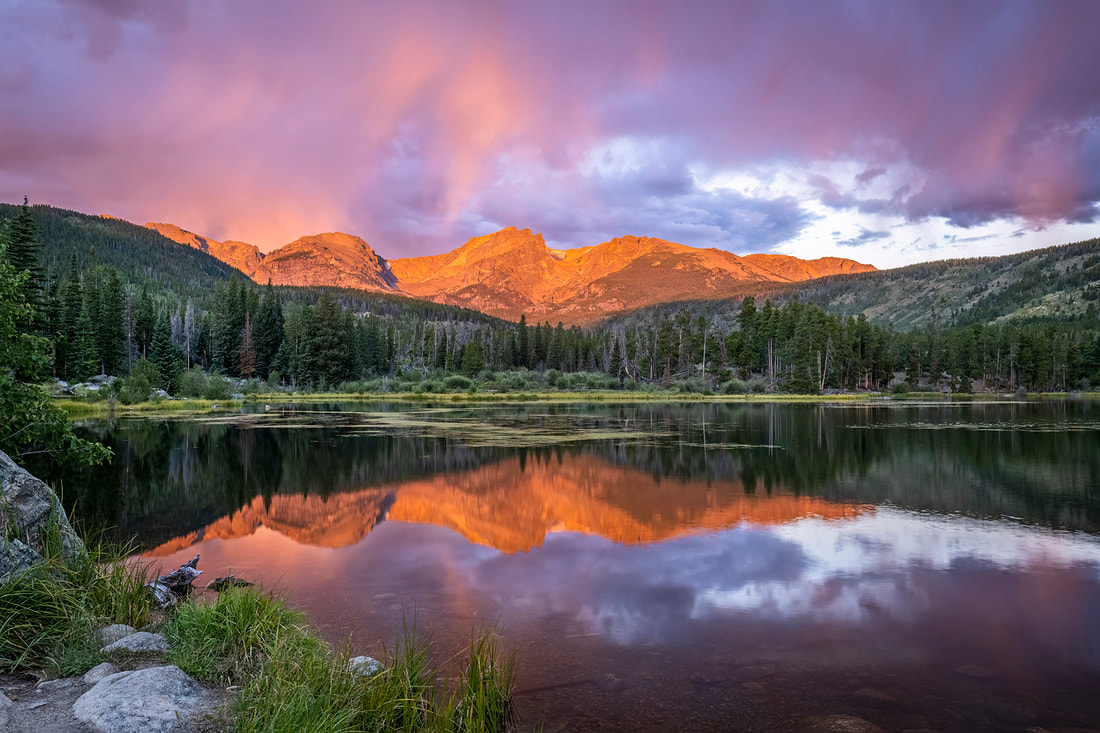

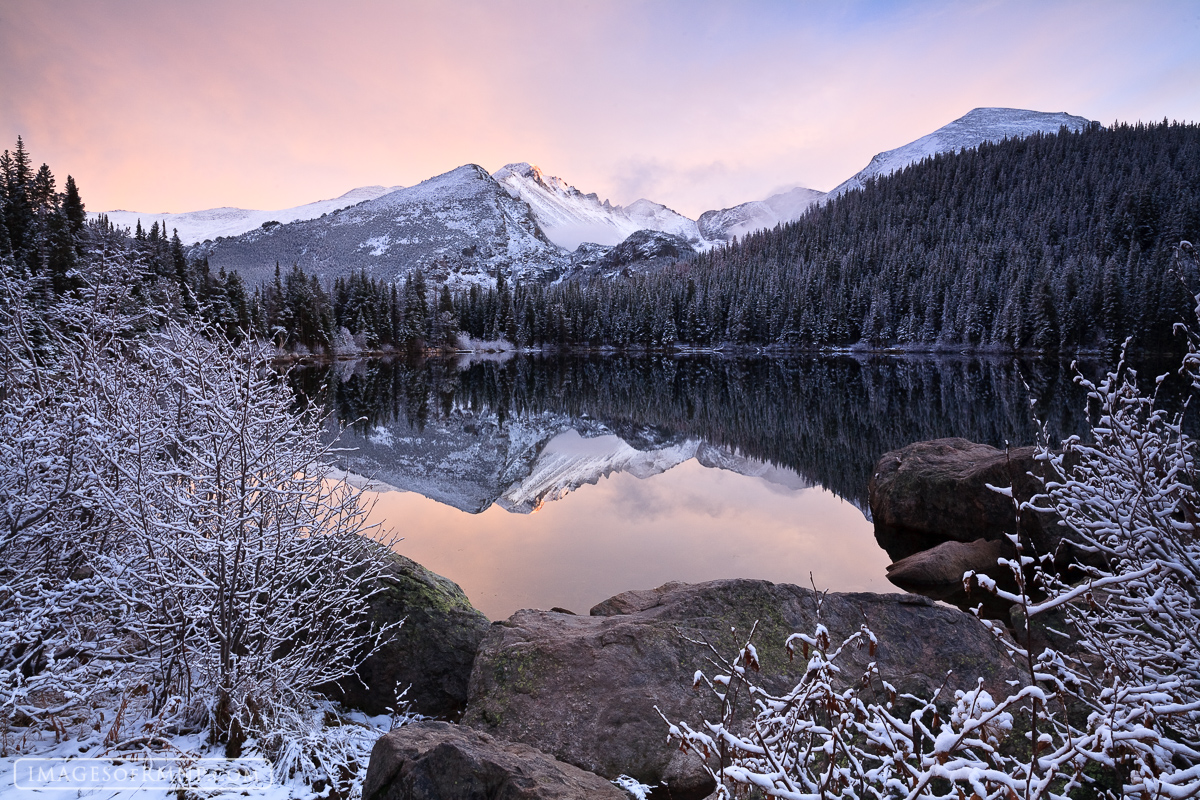
Rocky Mountain National Park, located in Colorado, is one of the best places in North America for alpine hiking. The park is defined by high elevations, rugged peaks, and clear mountain lakes that reflect the surrounding landscape.
Hiking in Rocky Mountain National Park is all about elevation and variety. Many trails begin above 8,000 feet, and some climb beyond 12,000 feet, where the air gets thinner and the environment becomes more exposed. This means hikes here often feel more challenging than similar distances elsewhere.
What makes this park special is how quickly the scenery changes. You can start in dense pine forest, pass through subalpine meadows, and end above the tree line with wide, open tundra views.
This guide covers the best hikes in Rocky Mountain National Park, with detailed descriptions, trail conditions, and practical tips so you can choose confidently.
Best Hikes in Rocky Mountain National Park
Bear Lake Loop

Distance: 0.6 miles
Difficulty: Easy
Time: 30–45 minutes
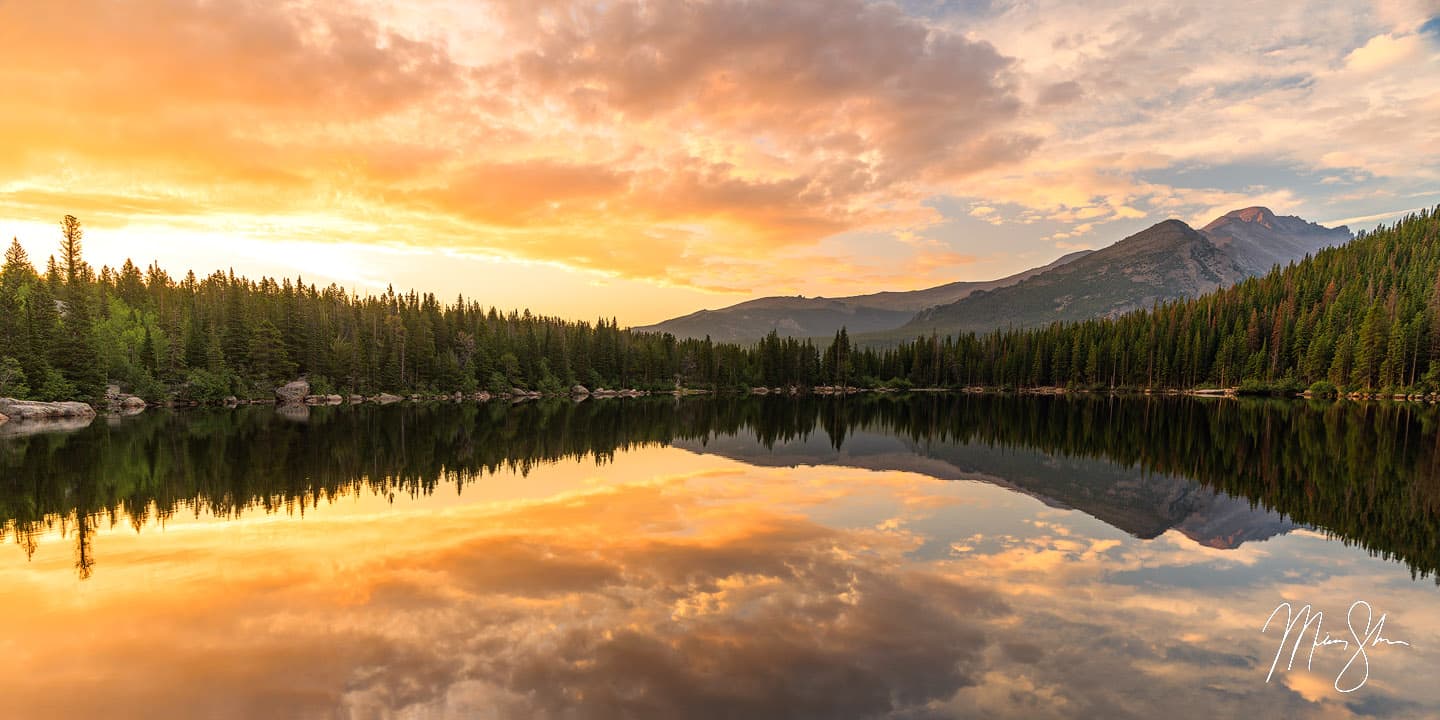
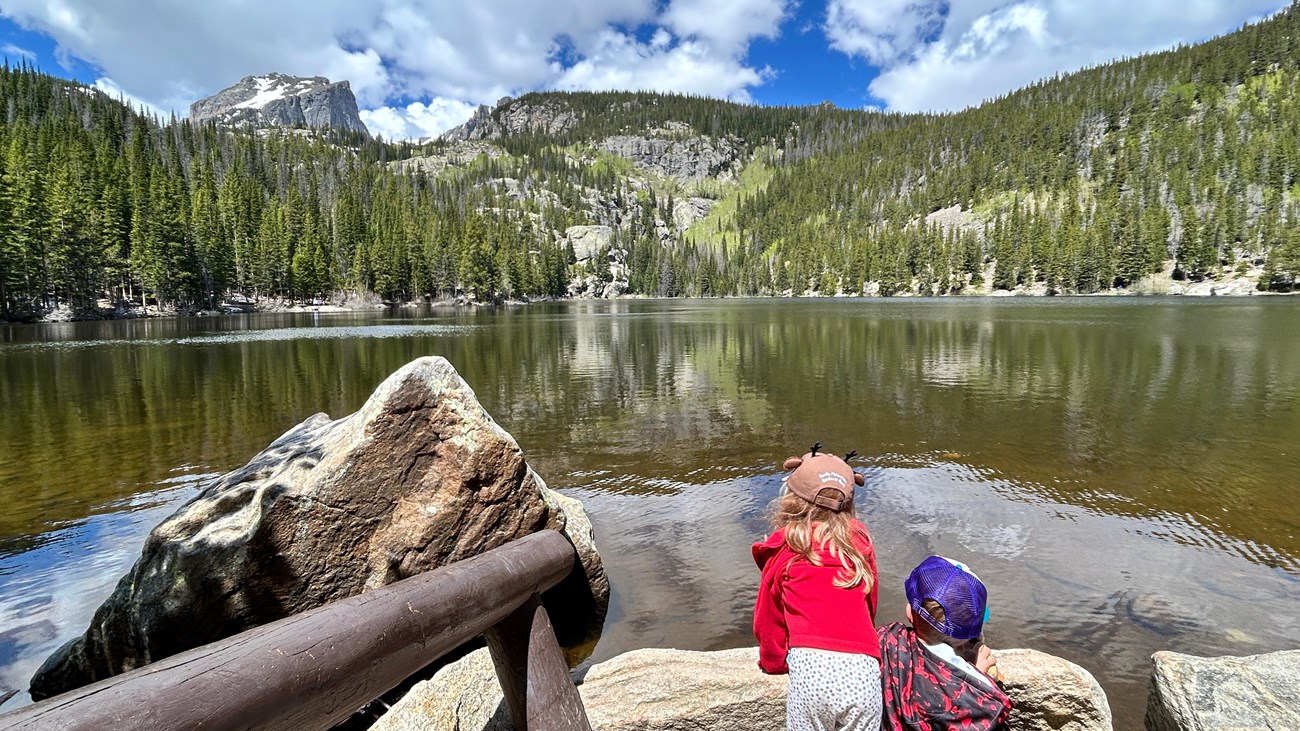
Bear Lake is one of the most accessible and scenic spots in Rocky Mountain National Park. The loop trail circles a calm alpine lake with constant views of surrounding peaks.
What it feels like:
Relaxed and easy, with almost no elevation gain. It’s more of a scenic walk than a workout.
What you’ll see:
Clear reflections of mountains, especially early in the morning, plus chances to spot wildlife like deer or birds.
Trail conditions:
Wide, well-maintained path. Can be icy in colder months.
Practical tips:
- Arrive before sunrise for the best light and fewer crowds
- Parking fills quickly—use the shuttle if needed
- Ideal first stop to get used to the altitude
Emerald Lake Trail
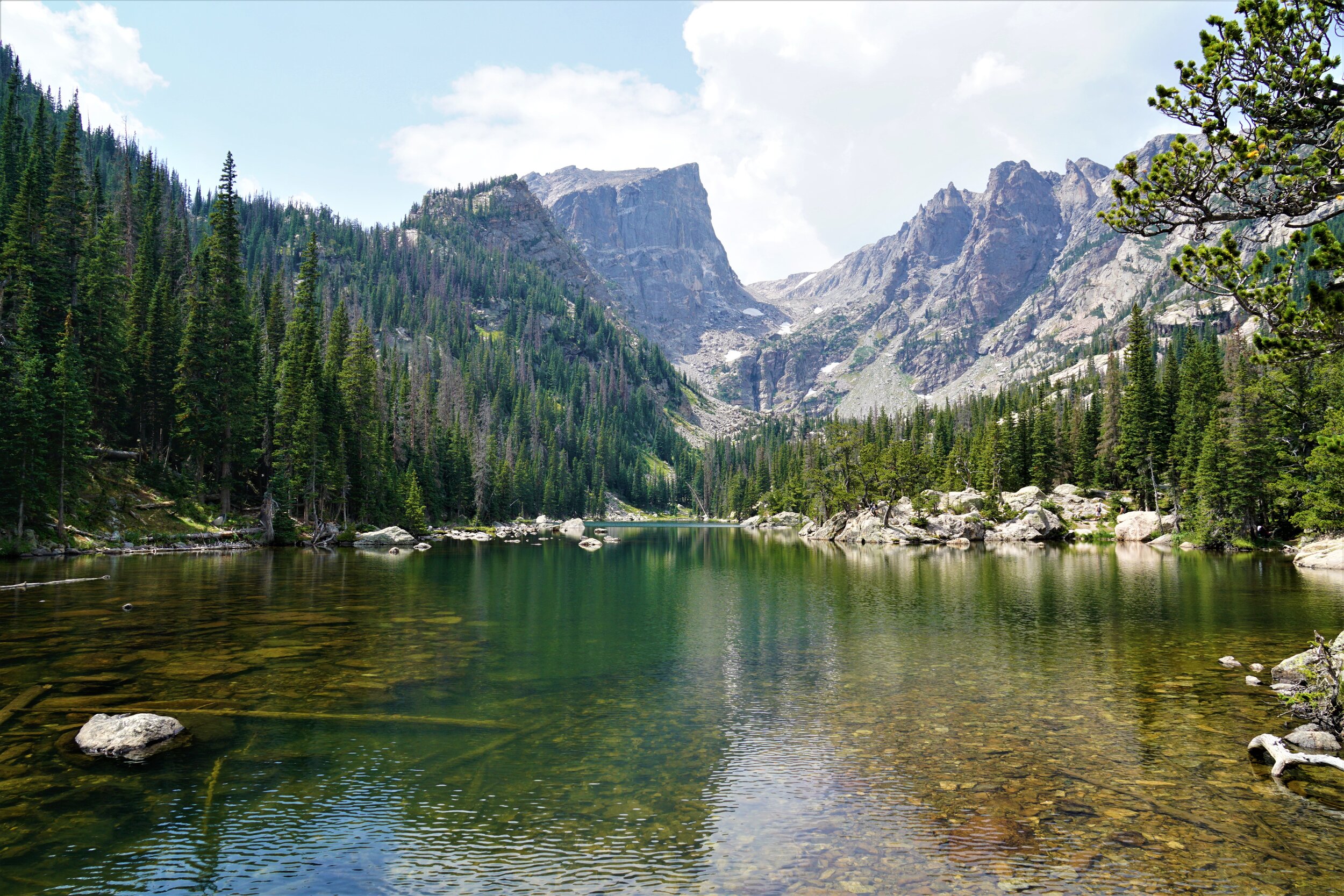

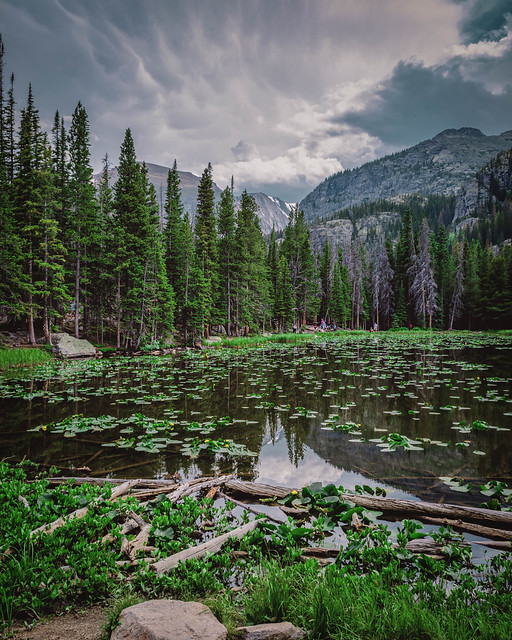
Distance: 3.2 miles
Difficulty: Moderate
Time: 2–3 hours
This is one of the most popular hikes in Rocky Mountain National Park because it packs multiple highlights into a relatively short distance.
What it feels like:
A steady, gradual climb that never feels overwhelming, with frequent stops for views.
What you’ll see:
Three alpine lakes—Nymph Lake (with lily pads), Dream Lake (great reflections), and Emerald Lake, backed by steep peaks.
Trail conditions:
Rocky in sections, with gradual elevation gain. Snow and ice are common outside summer.
Practical tips:
- Microspikes may be needed in colder months
- Go early—this trail gets crowded fast
- Great for photography at sunrise
Sky Pond via Glacier Gorge


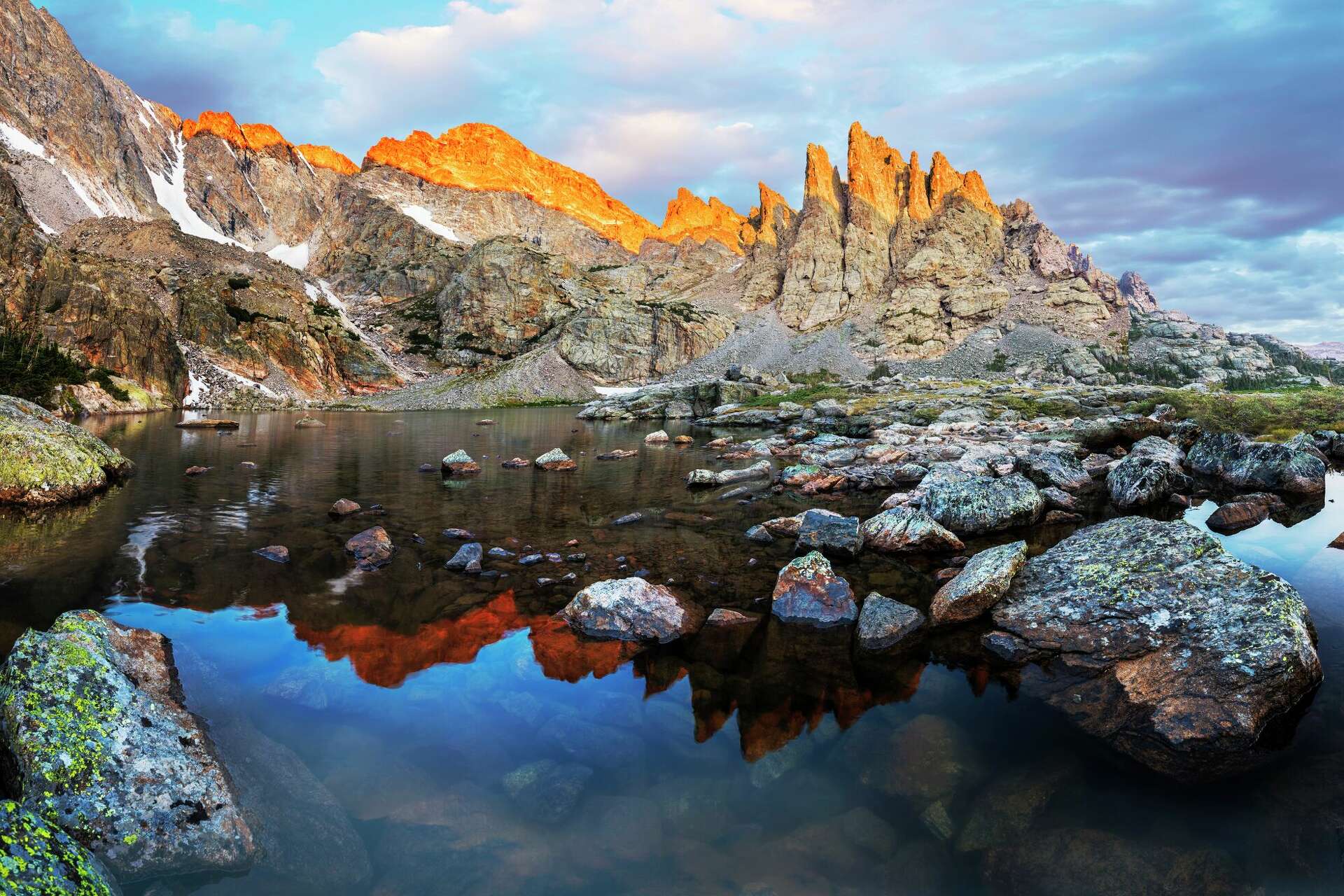
Distance: 9 miles
Difficulty: Strenuous
Time: 5–7 hours
Sky Pond is one of the most rewarding hikes in Rocky Mountain National Park. The route takes you deep into Glacier Gorge, passing multiple waterfalls and lakes.
What it feels like:
Challenging but exciting, especially when climbing beside Timberline Falls near the end.
What you’ll see:
Waterfalls, alpine lakes, steep granite walls, and a dramatic final basin at Sky Pond.
Trail conditions:
Steep and rocky with a short scramble near the falls.
Practical tips:
- Start early to avoid afternoon storms
- Bring plenty of water and snacks
- Take your time on the waterfall section
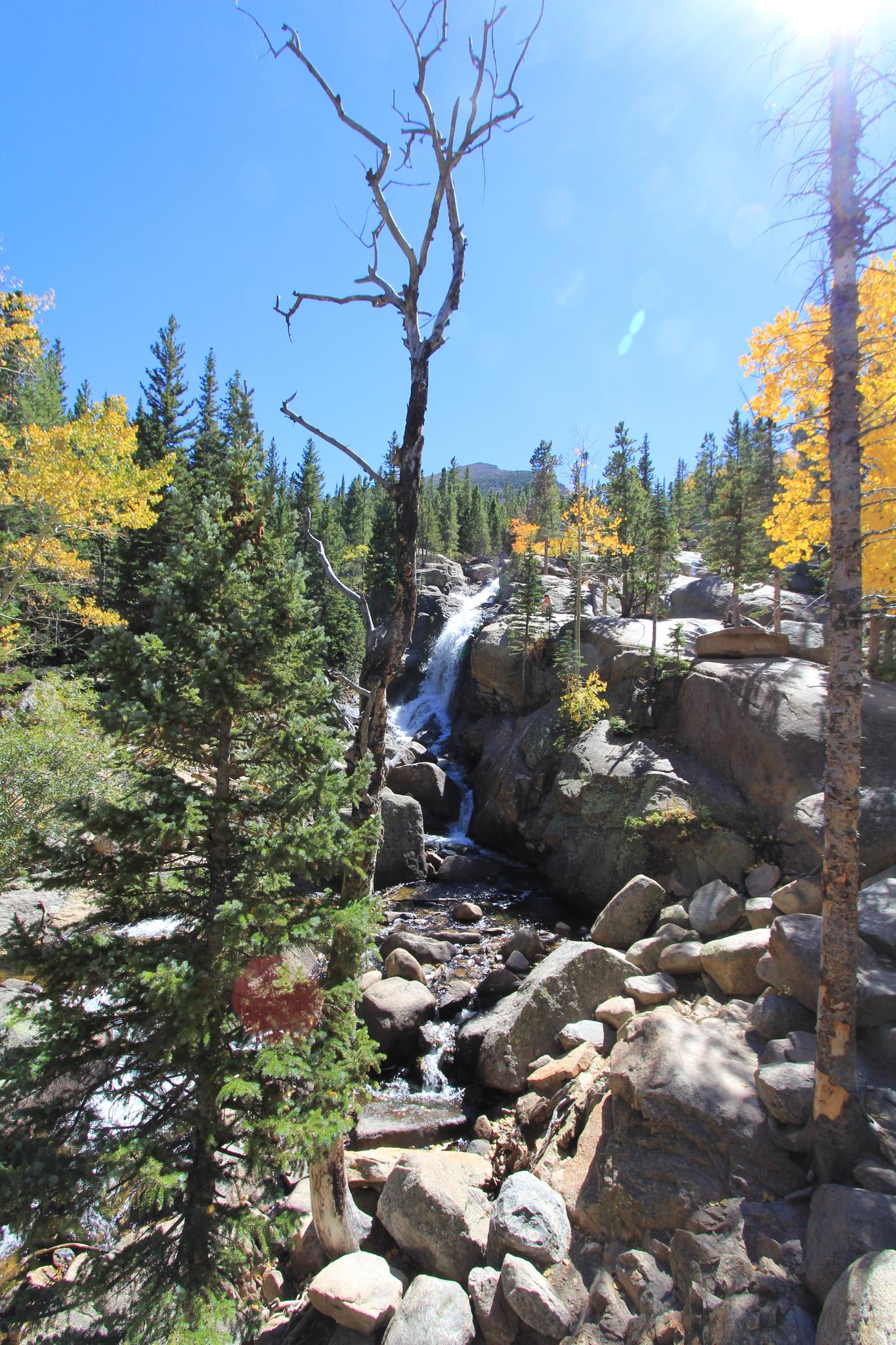
Alberta Falls
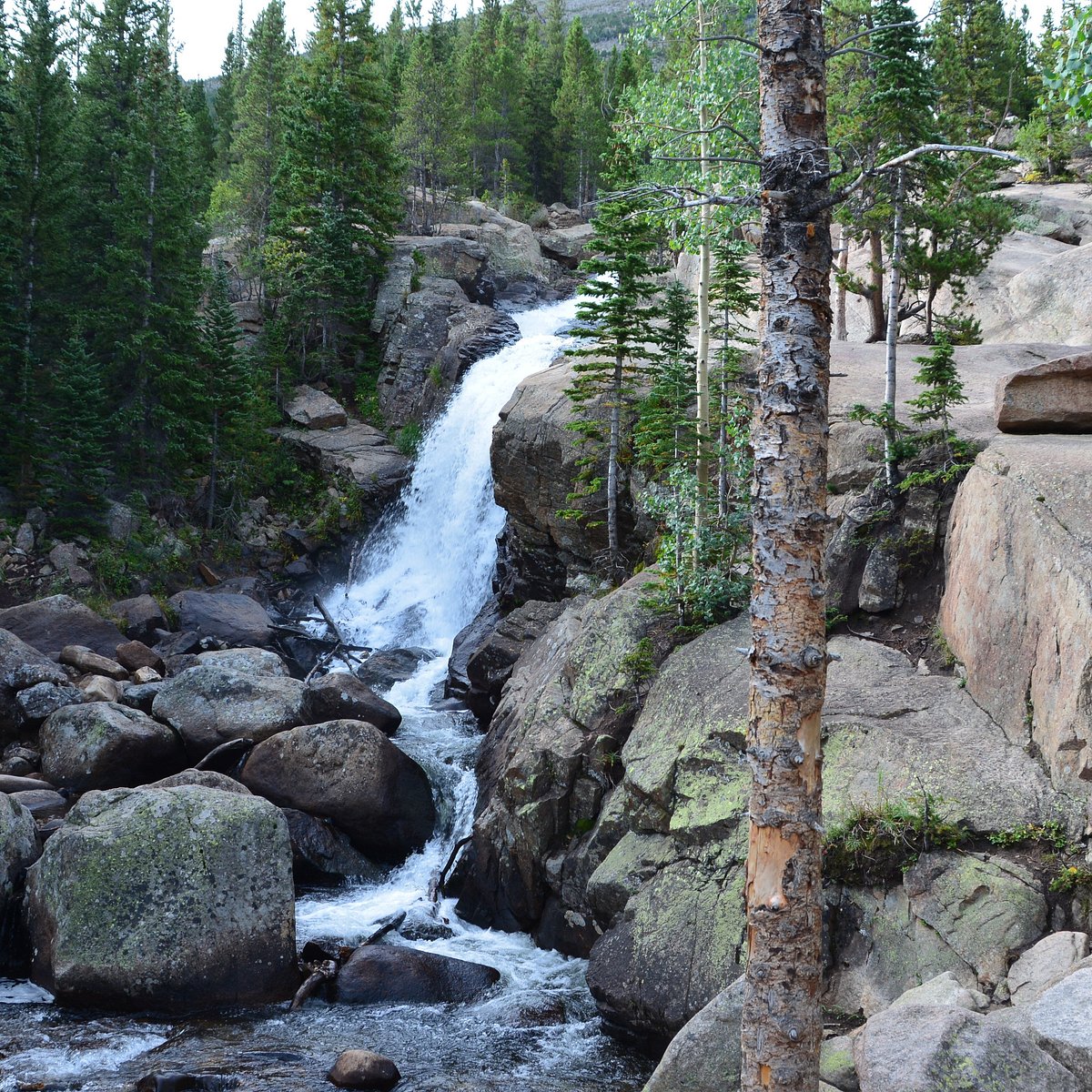
Distance: 1.6 miles
Difficulty: Easy–Moderate
Time: 1–2 hours
A short but rewarding hike to one of the most visited waterfalls in the park.
What it feels like:
Quick and slightly uphill, making it accessible for most hikers.
What you’ll see:
A powerful waterfall framed by rocks and forest.
Trail conditions:
Packed dirt and rock, slightly uneven in places.
Practical tips:
- Combine with longer hikes like Sky Pond
- Best early or late to avoid crowds
- Stay on marked trails near the falls
Chasm Lake Trail
Distance: 8.4 miles
Difficulty: Strenuous
Time: 5–7 hours
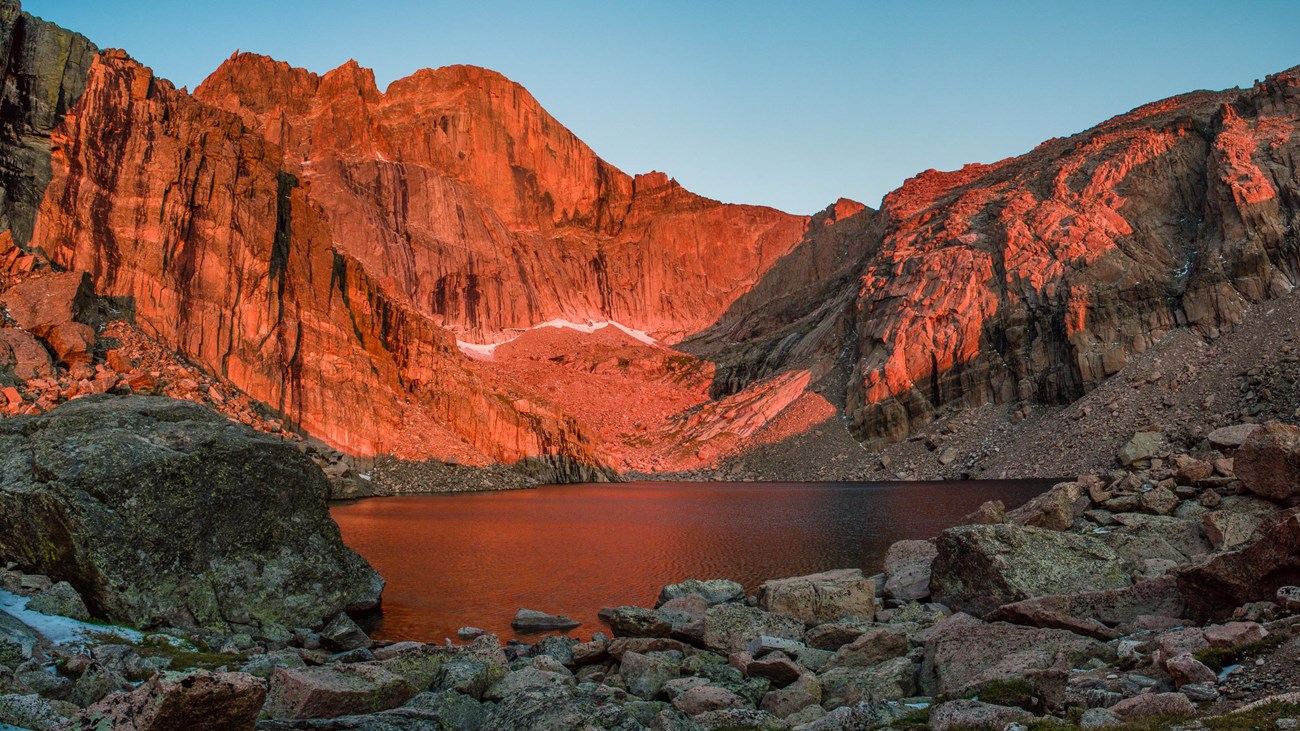
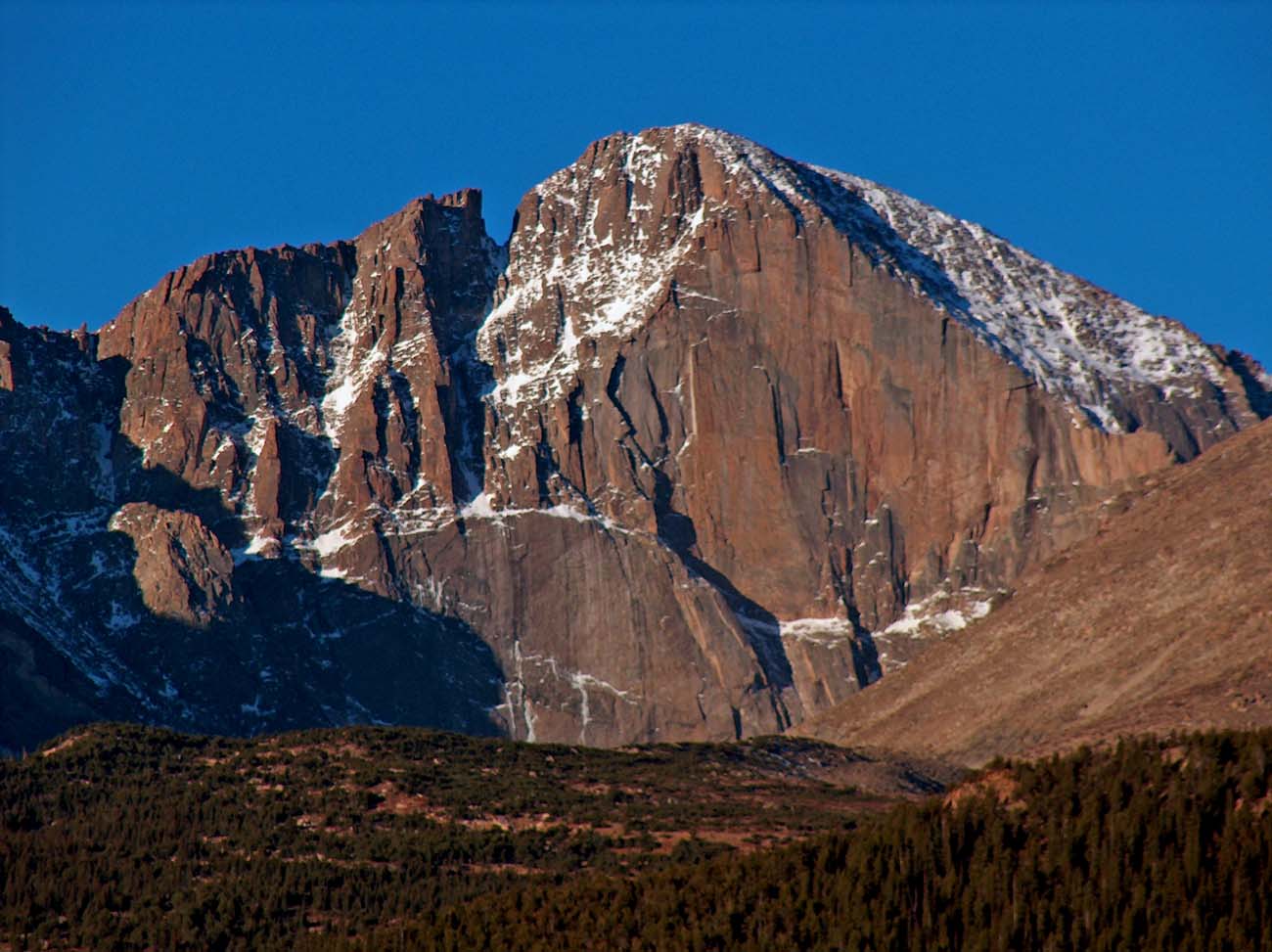
This trail leads to one of the most dramatic lakes in Rocky Mountain National Park, sitting below Longs Peak.
What it feels like:
A steady climb that becomes more demanding as you gain elevation.
What you’ll see:
Chasm Lake, steep cliffs, and Longs Peak towering above.
Trail conditions:
Rocky, exposed in sections, with higher elevation challenges.
Practical tips:
- Expect colder temperatures at the lake
- Watch for altitude symptoms
- Start early for better weather
Longs Peak (Keyhole Route)

Distance: 14.5 miles
Difficulty: Very strenuous
Time: 10–15 hours
This is the most challenging and iconic hike in Rocky Mountain National Park.
What it feels like:
Long, demanding, and mentally intense, especially past the Keyhole.
What you’ll see:
High alpine terrain and expansive summit views.
Trail conditions:
Scrambling, exposure, long distance.
Practical tips:
- Start around 2–3 AM
- Only for experienced hikers
- Turn back if weather changes
Gem Lake Trail

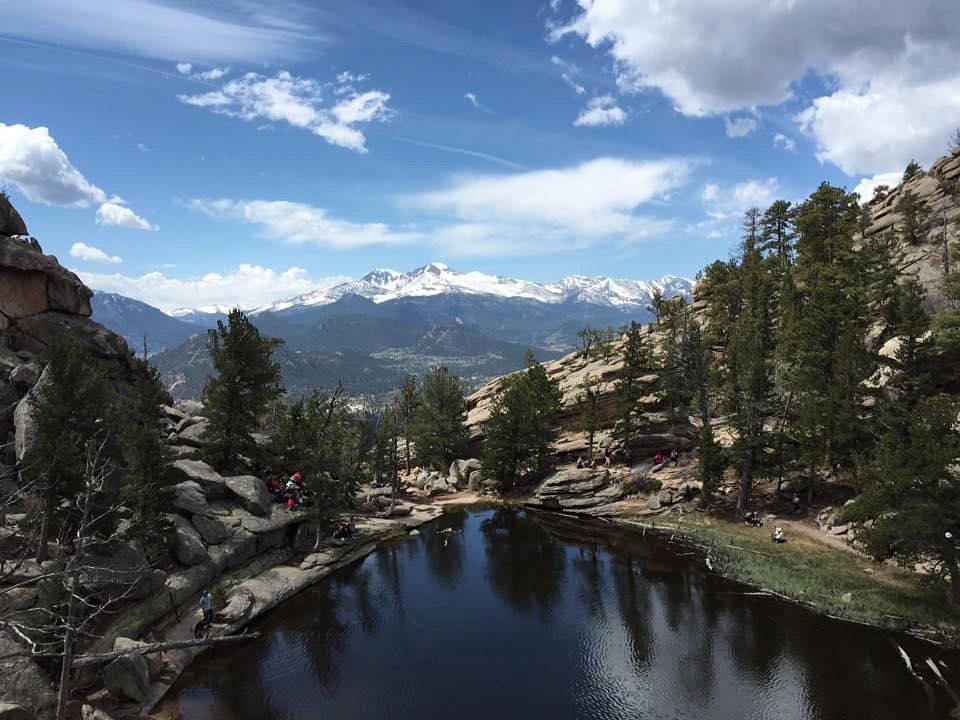
Distance: 3.4 miles
Difficulty: Moderate
Time: 2–3 hours
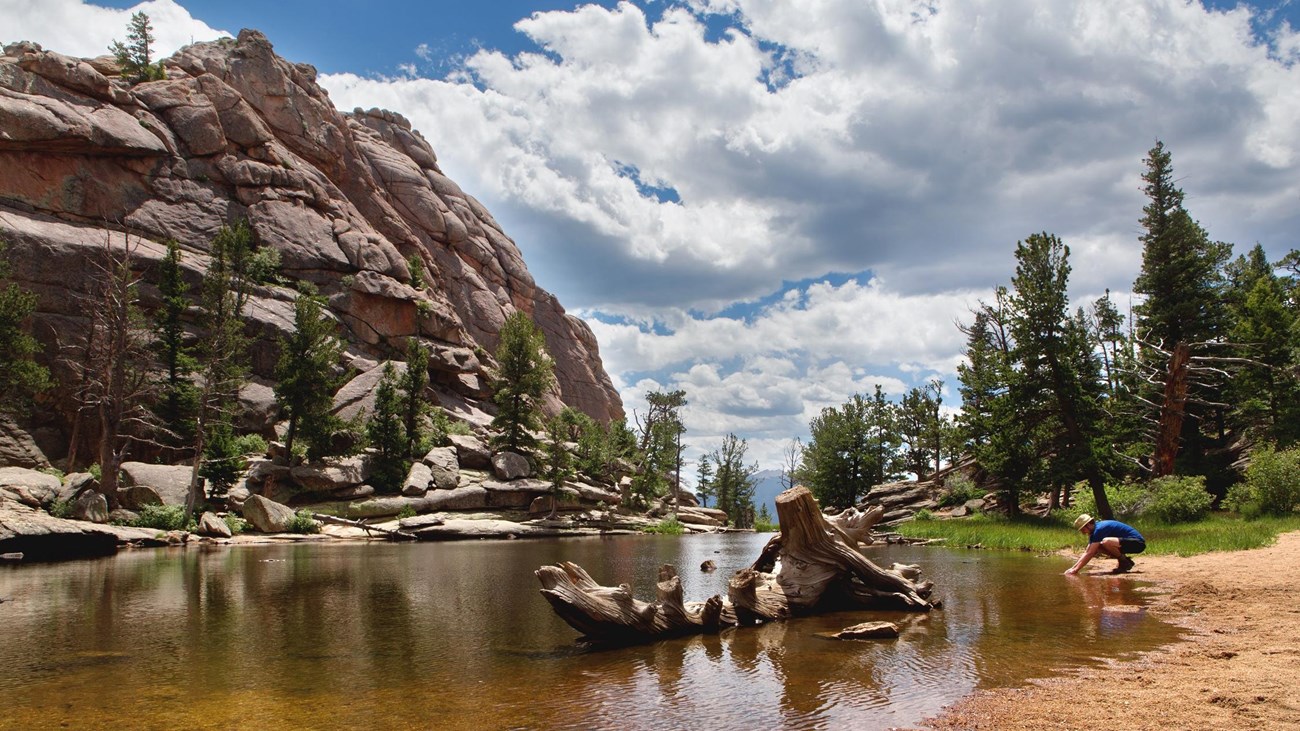
A quieter alternative to busier trails.
What it feels like:
Steady climb with peaceful surroundings.
What you’ll see:
Rock formations and a small scenic lake.
Trail conditions:
Rocky with moderate elevation gain.
Practical tips:
- Less crowded
- Good sunset option
Deer Mountain Trail

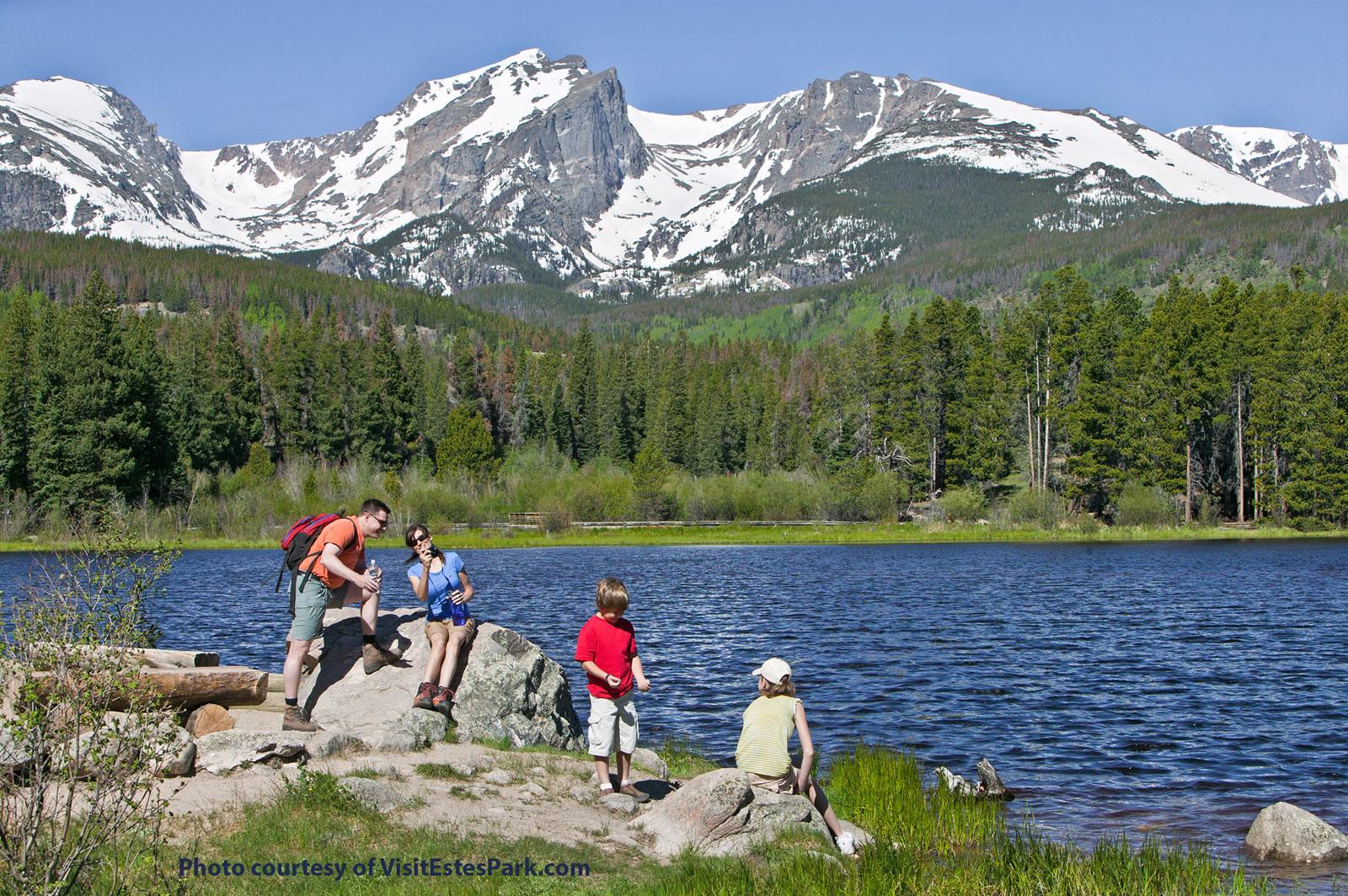

Distance: 6 miles
Difficulty: Moderate
Time: 3–4 hours
A great summit hike without technical difficulty.
What it feels like:
Consistent uphill climb that’s manageable.
What you’ll see:
Wide panoramic mountain views.
Trail conditions:
Switchbacks are well-maintained.
Practical tips:
- Exposed near the top
- Bring sun protection
Ute Trail

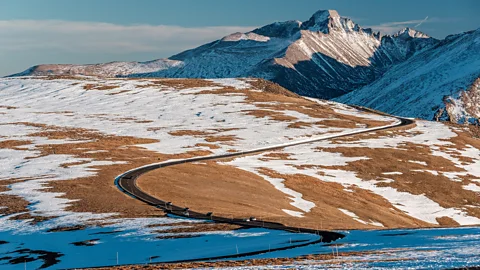
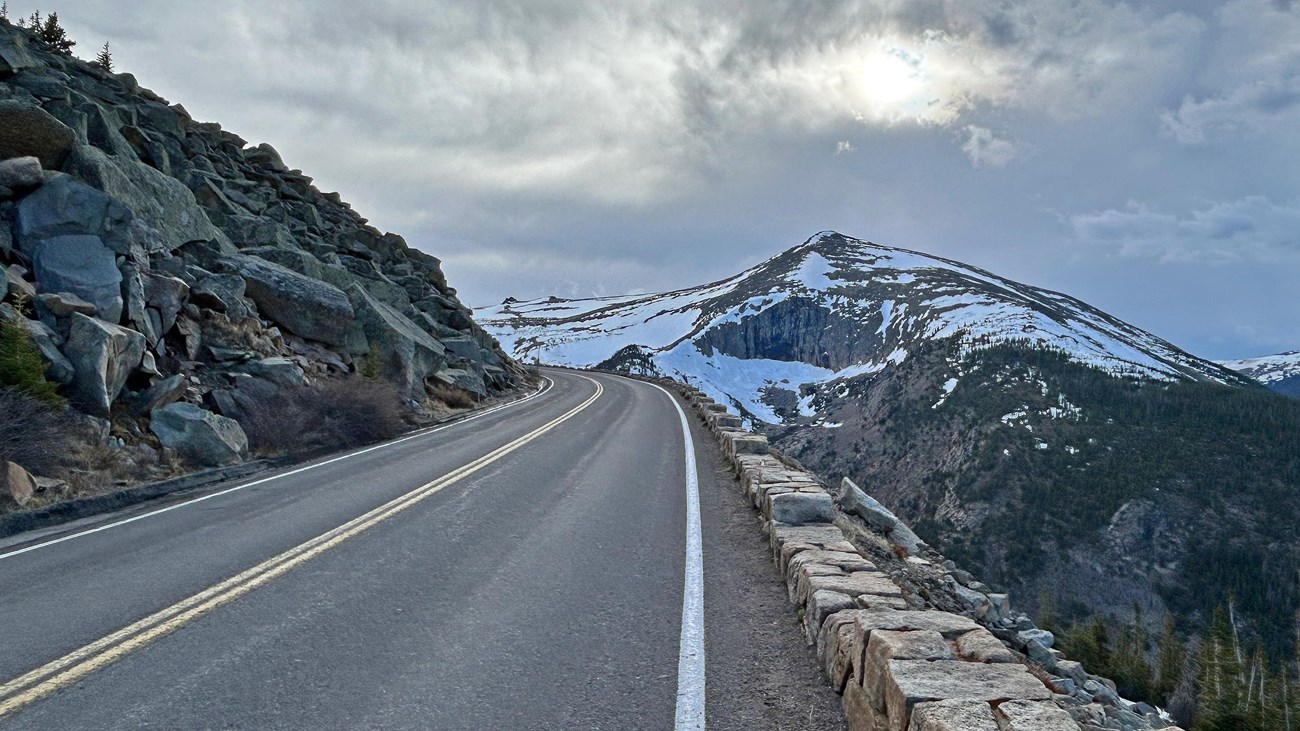
Distance: Up to 8 miles
Difficulty: Moderate
Time: 3–5 hours
A unique high-elevation tundra hike.
What it feels like:
Open and expansive, very different from forest trails.
What you’ll see:
Tundra, wildlife, and wide mountain views.
Trail conditions:
Exposed, little shade.
Practical tips:
- Bring wind protection
- Watch weather closely
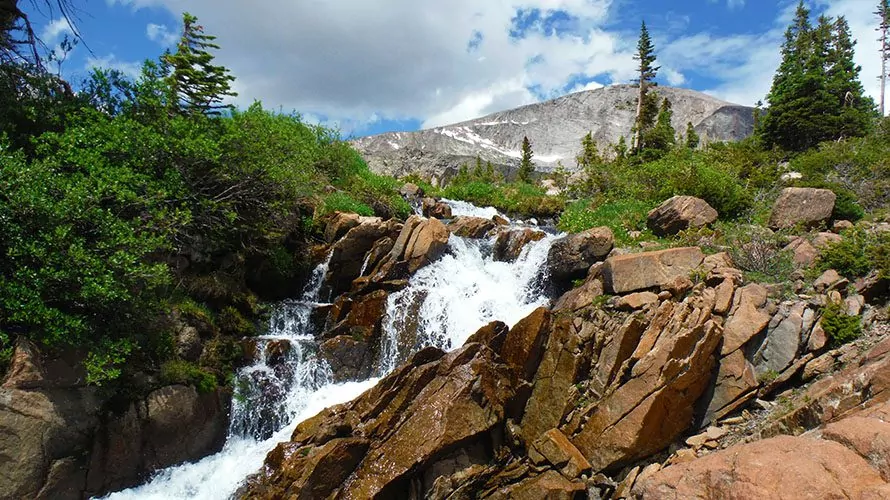
Ouzel Falls

Distance: 5.4 miles
Difficulty: Moderate
Time: 3–4 hours
A quieter hike in the Wild Basin area.
What it feels like:
Peaceful and steady.
What you’ll see:
Waterfalls, forest, river views.
Trail conditions:
Gradual incline, well-marked.
Practical tips:
- Less crowded area
- Great for a relaxed hike
How to Choose the Right Hike
- Easy: Bear Lake, Alberta Falls
- Moderate: Emerald Lake, Deer Mountain
- Challenging: Sky Pond, Chasm Lake
- Extreme: Longs Peak
- Quiet: Gem Lake, Ouzel Falls
Choose based on fitness, time, and comfort with altitude.
Hiking Tips for Rocky Mountain National Park
- Acclimate to altitude before long hikes
- Start early to avoid storms
- Bring layers (weather changes quickly)
- Carry enough water and snacks
- Wear proper hiking shoes
- Check trail conditions
FAQs
What is the best hike in Rocky Mountain National Park?
Emerald Lake and Sky Pond.
Is altitude a problem?
Yes, especially above 10,000 feet.
What is the easiest hike?
Bear Lake Loop.
What is the hardest hike?
Longs Peak.
When is the best time to hike?
Summer and early fall.
Do I need permits?
Timed entry may be required.
Final Thoughts
Rocky Mountain National Park offers some of the best alpine hiking in the country. From peaceful lakes to challenging summits, every trail gives a different experience.
With the right preparation, the best hikes in Rocky Mountain National Park will leave you with unforgettable views and a true sense of adventure.