
Introduction
The Grand Canyon is one of those places that humbles even the most seasoned traveler. Whether you come for rim views, rim-to-rim hikes, or a family road trip, it helps to know where to stay near Grand Canyon National Park. This can make your trip smoother and more enjoyable. This guide covers the park’s location and the best time to visit. It also shares top hikes, maps, and travel tips. Most importantly, it explains smart lodging choices. These include historic rim lodges, cozy Tusayan motels, and backcountry options for overnight hikers. Read on and you’ll leave with a plan that fits your energy level, budget, and sense of adventure.
Where is Grand Canyon National Park?
Grand Canyon National Park is in northern Arizona. It has two main visitor areas: the South Rim and the North Rim. The South Rim is open year-round and has more visitor services. The North Rim is higher, more remote, and open only by season. The South Rim — where most visitors stay and explore rim viewpoints and day hikes — is the easiest to access from nearby towns and airports.
Tip: If you want rim facilities, services, and shuttle access, stay near the South Rim. For quieter forest views and a new perspective, consider the North Rim.
(Maps and official park resources linked below will help you decide which rim fits your itinerary.)
Best time to visit Grand Canyon National Park
Choosing when to visit depends on what you want to do.
- Spring (March–May): Great for hiking — cooler temperatures and wildflowers at lower elevations. Popular but less crowded than summer.
- Summer (June–August): Warm to hot on the inner canyon trails; expect crowds and high daytime temps. Early starts are essential for any major hike.
- Fall (September–November): Cooler days, bright colors on the rims, and fewer crowds. It is a great shoulder season for hiking and photography.
- Winter (December–February): Quiet on the South Rim with snowy rim vistas; North Rim typically closes. Good for solitude if you’re prepared for cold.
Practical advice: If your goal is hiking, especially long descents, aim for spring or fall. These seasons bring milder temperatures and safer trail conditions.
Top attractions in Grand Canyon National Park
- Mather Point, Yavapai Point, and Desert View Watchtower: Classic viewpoint trifecta on the South Rim.
- Hermit Road & Hop-on Shuttle: Scenic drive with many overlooks (seasonal shuttle operation).
- Grand Canyon Village: Historic hub with lodges, museums, and rim access.
- North Rim viewpoints: Fewer people, higher elevation forests, different light angles for photos.
- Colorado River and Phantom Ranch: Multi-day backpacking and rafting access at river level (permits required).
If you want to navigate like a pro, grab the park pocket map. You can also download trail maps from the National Park Service before you go.
Best hikes in Grand Canyon National Park
As an experienced hiker or park guide, I always remind people. Rim hikes look easy on a map. But the elevation change and desert conditions are serious and should be respected.
Hikes for day-hikers
- Bright Angel Trail (South Rim): The most popular maintained trail with water at certain resthouses (seasonal) and clear mile markers. Good for descending a short distance and returning the same day.
- South Kaibab Trail (South Rim): Steeper, shorter route to incredible viewpoints like Ooh Aah Point; no water on the trail — bring plenty.
- Hermit Trail (South Rim): Rougher and less maintained; better for experienced hikers wanting a quieter route.
Multi-day / strenuous hikes
- Rim-to-Rim (South Kaibab to North Kaibab or vice versa): A classic goal. Plan carefully. Consider shuttle logistics or permits. Avoid trying it in the hottest months. Expect 20+ miles and major elevation change.
- North Kaibab Trail (North Rim): Access to remote sections and cooler high-elevation terrain when open.
Safety basics for all hikes: start early. Know your turnaround time. Carry 3–4 liters of water per person on warm days. Use sun protection. Wear sturdy footwear. Never underestimate the return climb. For long trips to Phantom Ranch or to stay overnight below the rim, obtain the required permits well in advance.
Map and travel tips
Map essentials
- Download the official South Rim pocket map and any trail brochures before you leave; they include shuttle routes, trail distances, and safety notes.
Transportation & parking
- Shuttle buses at the South Rim reduce congestion and provide easy access to trailheads like South Kaibab (no parking at the trailhead). Plan your parking or use park shuttles during peak season.
- If driving in from longer distances, Flagstaff (about 1.5–2 hours) and Williams (an hour) are common gateway towns with rental cars and more lodging options.
Permits, fees & services
- The park charges entrance fees; National Park passes are accepted. For backcountry or overnight river trips, obtain permits early.
Health & safety
- Watch for altitude on the rims (over 7,000 ft at North Rim). Hydrate, acclimate, and know signs of heat exhaustion and altitude sickness.
- Cell coverage is limited. Carry offline maps and tell someone your plan.
Where to stay near Grand Canyon National Park
There’s a big decision: stay inside the park (closest and richer in history) or outside (more options and often cheaper).
Lodging inside the park — South Rim (recommended if availability aligns)
Staying inside the park puts you a short walk from the rim and sunrise/sunset viewpoints.
- El Tovar (historic, on the rim): Iconic, historic lodge with dining — perfect for a special night. Rooms fill early — book months ahead.
- Yavapai Lodge and Market Plaza: More modern and family-friendly options close to visitor services and shuttle stops. Yavapai is convenient for families and hikers.
- Trailer Village & Campgrounds: For RV travelers and campers who want to be inside the park.
Why stay inside? Immediate rim access for sunrise/sunset, quick shuttle/trailhead access, and distinct historic atmosphere — but note that South Rim lodging books up well in advance, especially spring, summer, and fall weekends. Plan and reserve early.
Lodging outside the park — Tusayan and gateway towns
If park lodges are full, nearby towns are great alternatives.
- Tusayan (1–2 miles from South Entrance): A small tourist village with several hotels — Red Feather Lodge, The Grand Hotel, and others. Very convenient for families and those wanting quick park access without the premium of in-park lodging.
- Williams & Flagstaff: Larger towns with airport access (Flagstaff Pulliam Airport) and a wider range of restaurants and services. Williams also gives you access to historic Route 66 charm.
Budget tips: Compare Tusayan motels vs. staying in Williams or Flagstaff for lower rates and wider availability. Factor in daily drive time if you plan sunrise/sunset rim visits.
Backcountry & unique stays
- Phantom Ranch (bottom of the canyon): Tent cabins and dorm options exist but are permit-based and competitive. For rim-to-river overnight plans, secure reservations and permits early.
- North Rim Lodge & cabins: If you’re visiting the North Rim season (late spring–early fall), staying at North Rim Lodge gives a quieter, forested canyon experience.
Choosing the right base for your trip
- Rim viewpoints, short day hikes, panoramic photos: Book a South Rim lodge (El Tovar, Yavapai) or Tusayan hotel.
- Serious hiking or rim-to-rim ambitions: Consider two bases (North and South) or a plan that accounts for shuttles/transport and permits.
- Budget travel & driving in: Williams or Flagstaff can be smart money savers; plan early starts for rim objectives.
Practical booking & packing tips
- Reserve early: South Rim lodges and Phantom Ranch fill months (often a year) in advance—check official concessionaires and the NPS lodging page.
- Pack layers: Temperatures swing wildly between rim and inner canyon; morning temps can be cold even in summer.
- Plan water & timing for hikes: Start before sunrise for long hikes; descending is easy, the climb out is the hard part—plan turnaround points and carry electrolytes.
- Know shuttle schedules: Many trailheads (South Kaibab) have no public parking — shuttle timing matters.
Best Hotels in Tusayan Near Grand Canyon National Park (Side-by-Side Comparison)
Tusayan is the closest town to the South Entrance of Grand Canyon National Park, making it one of the most convenient places to stay outside the park. The town sits about 7 miles (11 km) south of Grand Canyon Village, so most hotels are just a short drive from major viewpoints and trailheads.
Below is a side-by-side comparison of three of the most popular Tusayan hotels for Grand Canyon travelers.
1. Red Feather Lodge

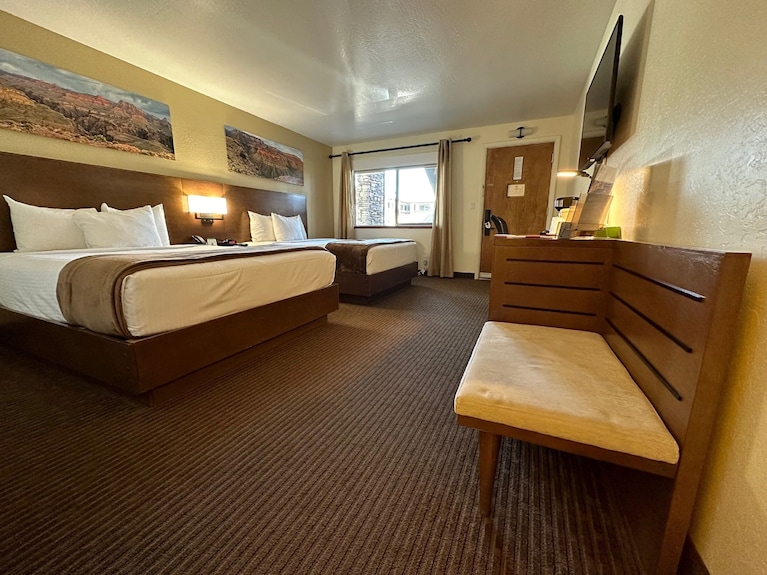
A solid budget-friendly option that’s especially popular with hikers and road-trippers. The location makes it easy to get into the park early for sunrise or to start a hike before crowds arrive.
Highlights
- About 1 mile from the South Rim park entrance.
- Seasonal outdoor pool and hot tub.
- Fitness center and on-site restaurant nearby.
Best for: Budget travelers and hikers who want quick park access.
2. The Grand Hotel at the Grand Canyon
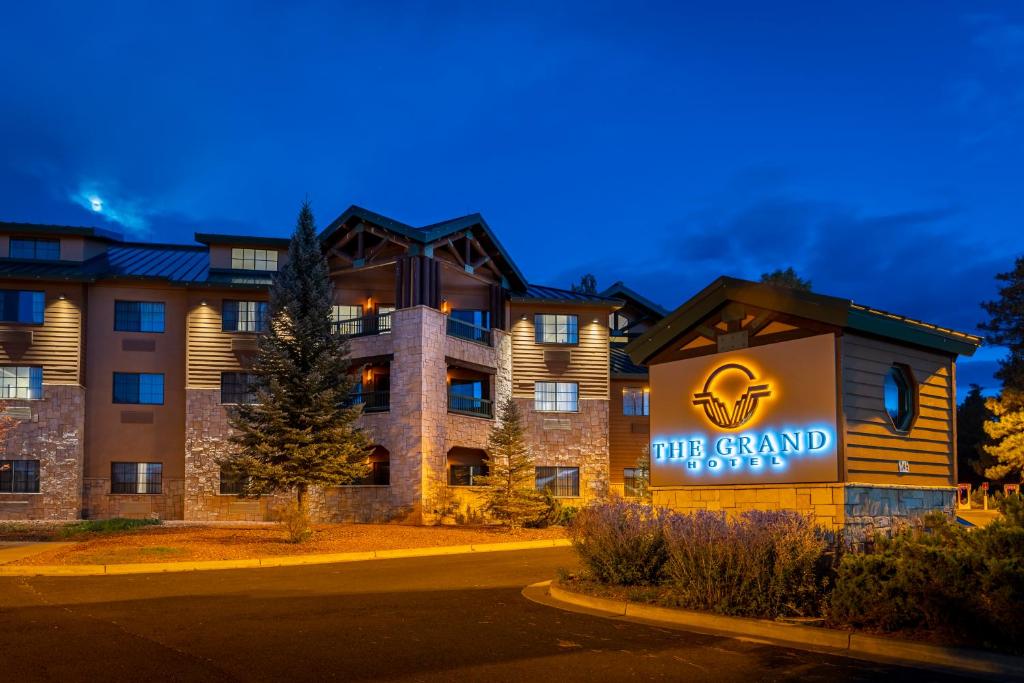

This lodge-style hotel feels a little more upscale and has a cozy mountain-lodge vibe that fits the national park atmosphere.
Highlights
- Located about 1 mile from the Grand Canyon South Entrance.
- Rustic lodge architecture with stone fireplaces and wood interiors.
- Indoor pool and hot tub.
- On-site restaurant and bar.
Best for: Travelers who want a comfortable lodge experience close to the park.
3. The Squire at Grand Canyon (Holiday Inn Resort)
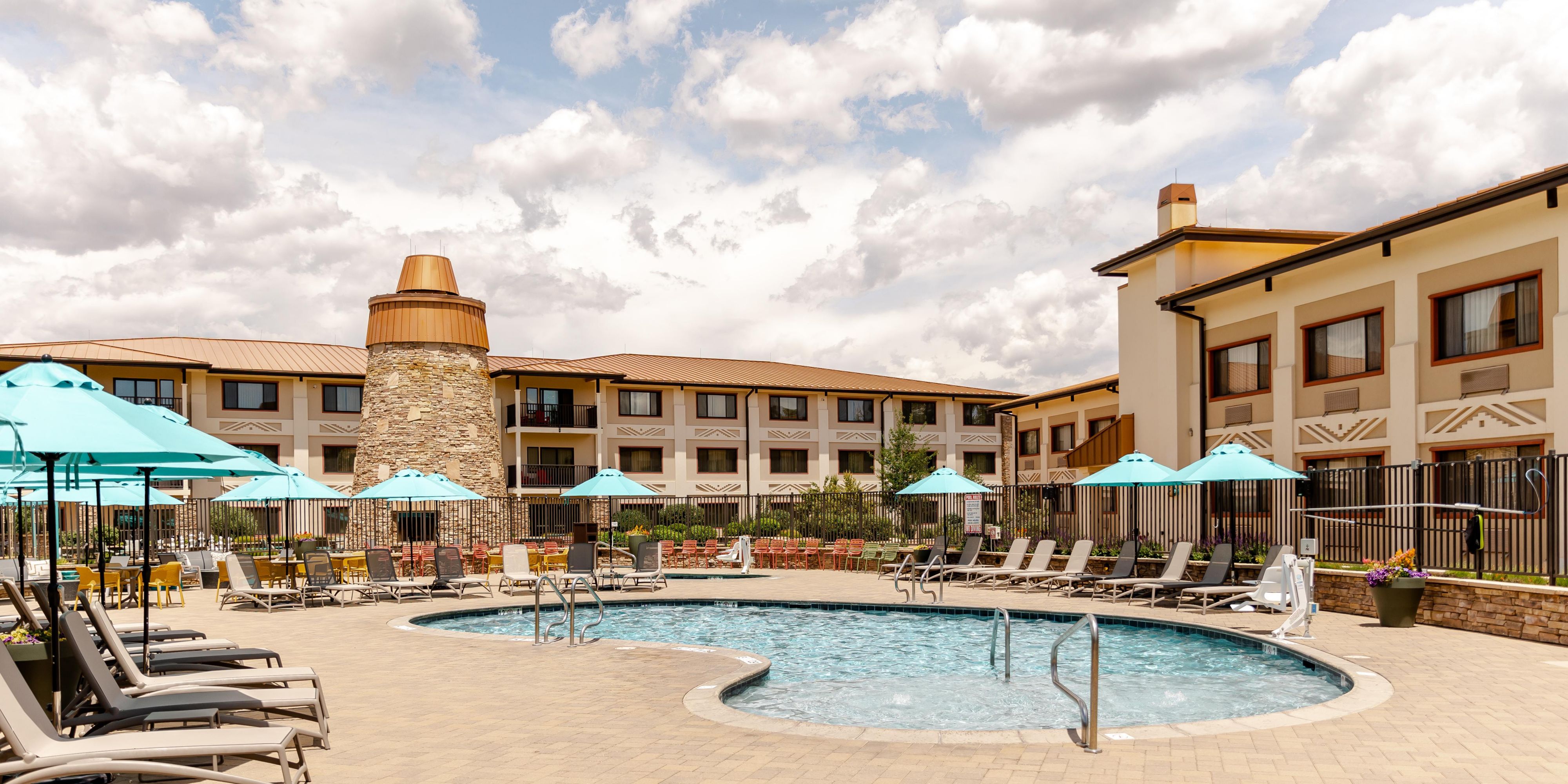
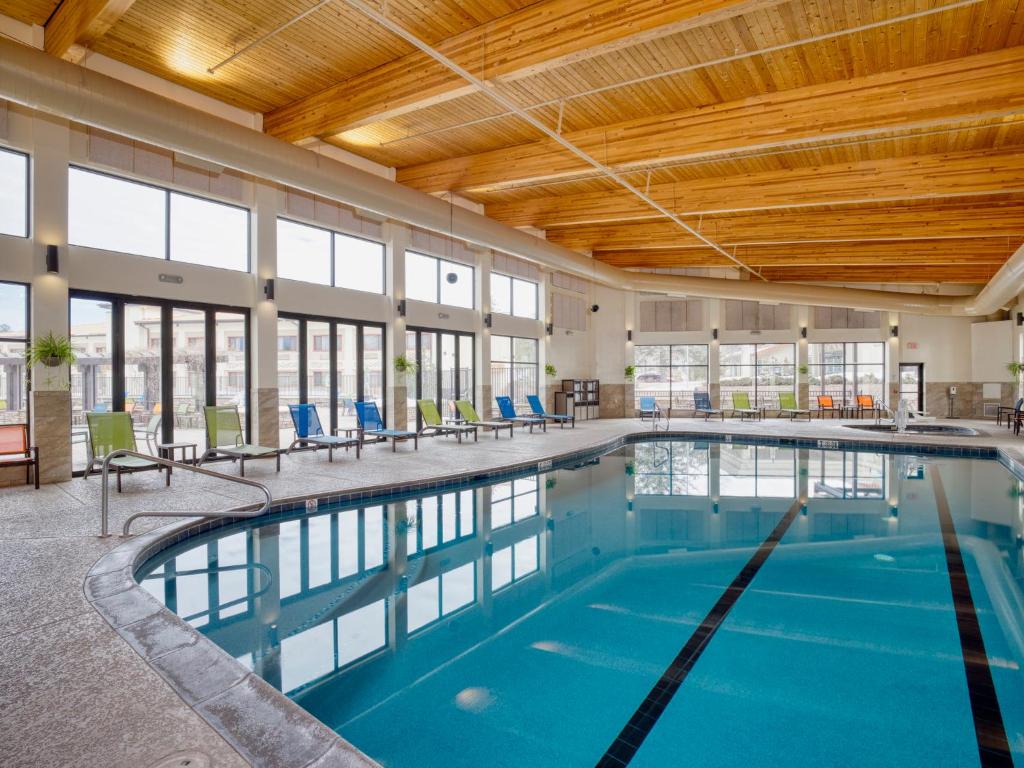
The Squire Resort is the most entertainment-focused hotel in Tusayan, making it popular with families.
Highlights
- Short drive from the South Rim entrance of the park.
- Indoor and outdoor pools.
- Bowling alley and arcade.
- Multiple restaurants and bars.
Best for: Families or travelers who want resort-style amenities.
Tusayan Hotel Comparison Table
| Hotel | Typical Price (per night) | Distance to Park Entrance | Key Amenities | Best For |
|---|---|---|---|---|
| Red Feather Lodge | ~$120–$175 | ~1 mile | Outdoor pool, fitness center, nearby dining | Budget travelers & hikers |
| Grand Hotel at the Grand Canyon | ~$180–$250 | ~1 mile | Indoor pool, restaurant, lodge atmosphere | Comfortable mid-range stay |
| The Squire at Grand Canyon | ~$190–$260 | ~10-minute drive | Indoor/outdoor pools, bowling alley, arcade | Families & resort-style stays |
Prices vary by season and demand, especially during spring and fall when hiking conditions are best.
Which Tusayan Hotel Should You Choose?
Here’s the quick guide most experienced Grand Canyon visitors use:
- Best budget hotel: Red Feather Lodge
- Best lodge experience: Grand Hotel at the Grand Canyon
- Best for families: The Squire Resort
All three hotels are close enough that you can drive to major viewpoints like Mather Point. You can also reach Bright Angel Trailhead in 15–20 minutes.
A traveler on Reddit summed up Tusayan perfectly:
“Tusayan is fine too… about 15 minutes to points in the park.”
✅ Pro tip for your blog readers:
If park lodges like El Tovar or Yavapai are fully booked, which happens often, Tusayan hotels are the best choice. They offer easy access for canyon sunrises and sunsets
Conclusion
Where you stay near Grand Canyon National Park should match how you want to experience the canyon. If you crave rimside convenience and historic charm, aim for in-park lodges like El Tovar or Yavapai (book early). If you want more options or savings, Tusayan, Williams, and Flagstaff make excellent bases. For hikers: plan your season (spring or fall is best). Watch your water and your time. Get official maps. Secure any permits well in advance. Bright Angel is the best first canyon hike; South Kaibab rewards with dramatic viewpoints; Rim-to-Rim is a rite of passage — prepare accordingly. With the right base camp and a solid plan, the Grand Canyon feels less like a logistics headache. It becomes an unforgettable outdoor classroom.