
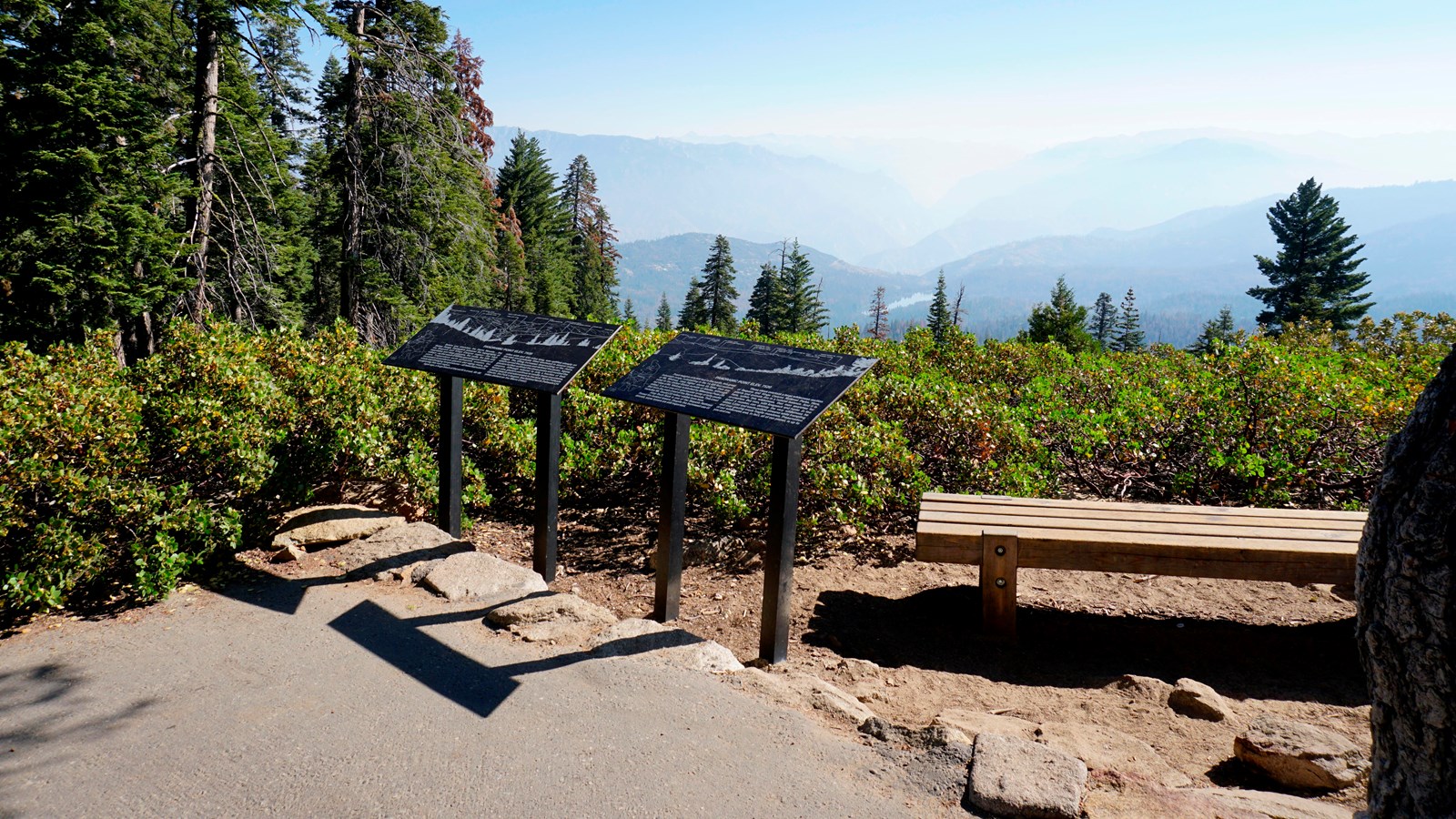


The best time to visit Kings Canyon National Park is June through September. During these months, the weather is comfortable, most roads are open, and you can explore the park without major restrictions.
If you just want the simplest choice:
- June → Best overall mix (waterfalls + access)
- September → Fewer crowds with great weather
Why Timing Matters More Than You Think
Kings Canyon isn’t like a typical city destination. It sits in the mountains, and that changes everything.
Weather, road access, and even safety depend heavily on the season. A trip in July can feel completely different from a trip in April.
Here’s what timing affects:
- Road access – Some areas (like Cedar Grove) close in winter
- Trail conditions – Snow can block hikes well into spring
- Crowds – Summer gets busy fast
- Experience – Waterfalls, greenery, and views change by season
If you plan your timing well, your trip becomes much smoother—and more enjoyable.
Spring (April to May)


Spring feels fresh, alive, and a little unpredictable.
Snow starts melting, rivers fill up, and waterfalls become the main attraction.
What it’s like
- Temperatures range from cool to mild
- Higher areas still have snow
- Water levels are at their peak
What you’ll enjoy
- Powerful waterfalls – some of the best in the year
- Bright green scenery – everything looks fresh
- Peace and quiet – fewer tourists than summer
What to watch out for
- Some roads may still be closed
- Not all trails are accessible
- Weather can change quickly
👉 Best for:
- Photography
- Nature lovers
- Travelers who don’t need full access
Practical tip:
Check road conditions before you go. Spring trips require a bit more flexibility.
Summer (June to September)

This is when Kings Canyon is at its most accessible—and most popular.
Everything is open. Trails are clear. The weather is easy to handle.
What it’s like
- Warm days, cool nights
- Dry, stable weather
- Long daylight hours
Why people love summer
- Full access to all areas
- Best hiking conditions
- Easy trip planning (fewer surprises)
Downsides to consider
- Crowds peak in July and August
- Parking fills up early
- Accommodation prices increase
👉 Best for:
- First-time visitors
- Families
- Hiking and camping trips
Practical tips:
- Start your day early (before 8 AM) to avoid parking issues
- Book campsites or hotels in advance
- Carry enough water—summer air can be dry
Fall (October to November)

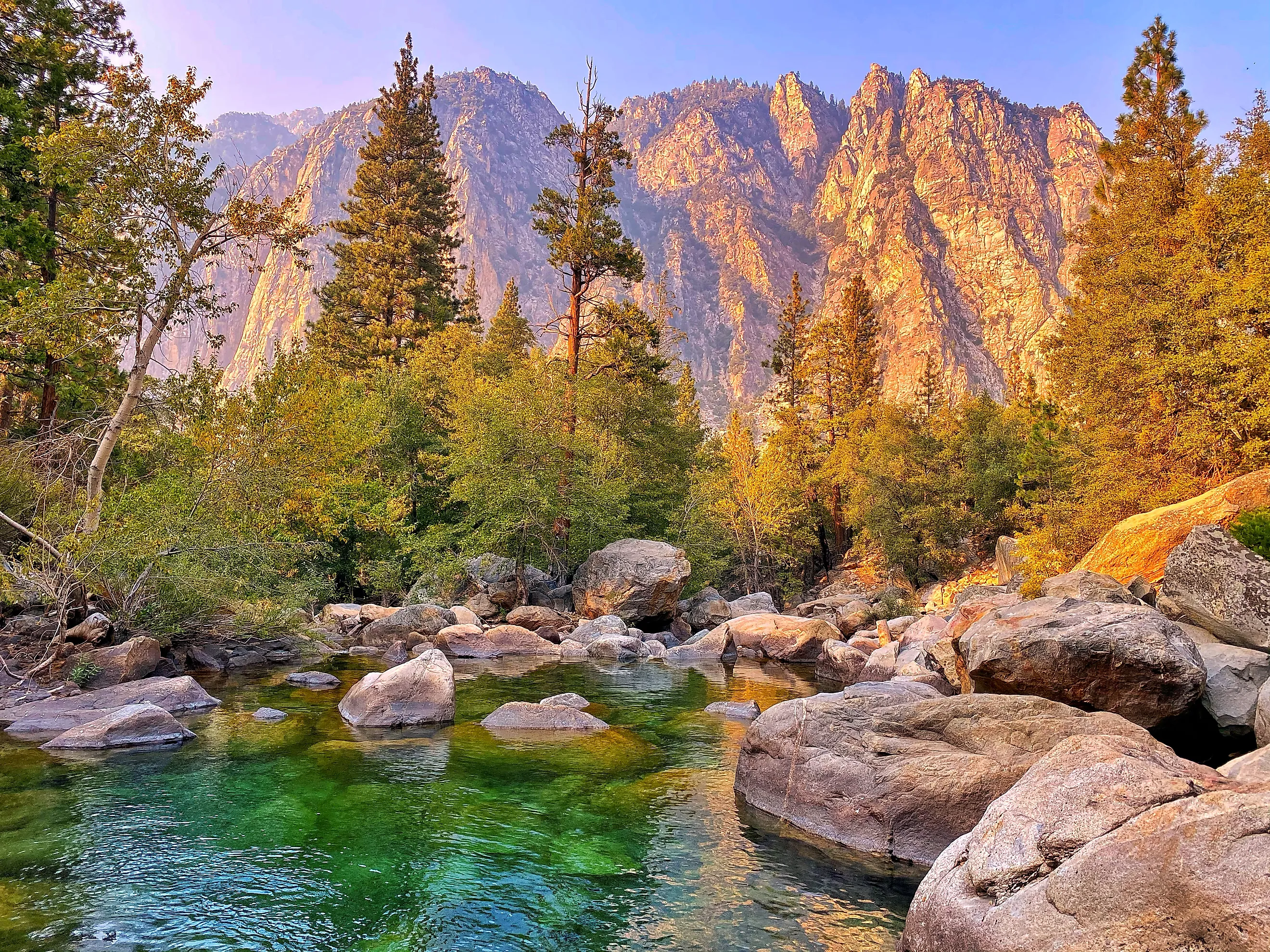
Fall is quieter, slower, and more relaxed.
It doesn’t get as much attention as summer, but it’s often a better experience for those who prefer space and calm.
What it’s like
- Cooler temperatures
- Crisp, fresh air
- Fewer visitors
What stands out
- Peaceful atmosphere – no crowds
- Comfortable hiking weather
- Soft, warm light (great for photos)
Limitations
- Some services begin to close
- Days are shorter
- Early snow is possible
👉 Best for:
- Couples
- Solo travelers
- Anyone avoiding crowds
Practical tip:
Visit in late September or early October for the best balance before closures begin.
Winter (December to March)
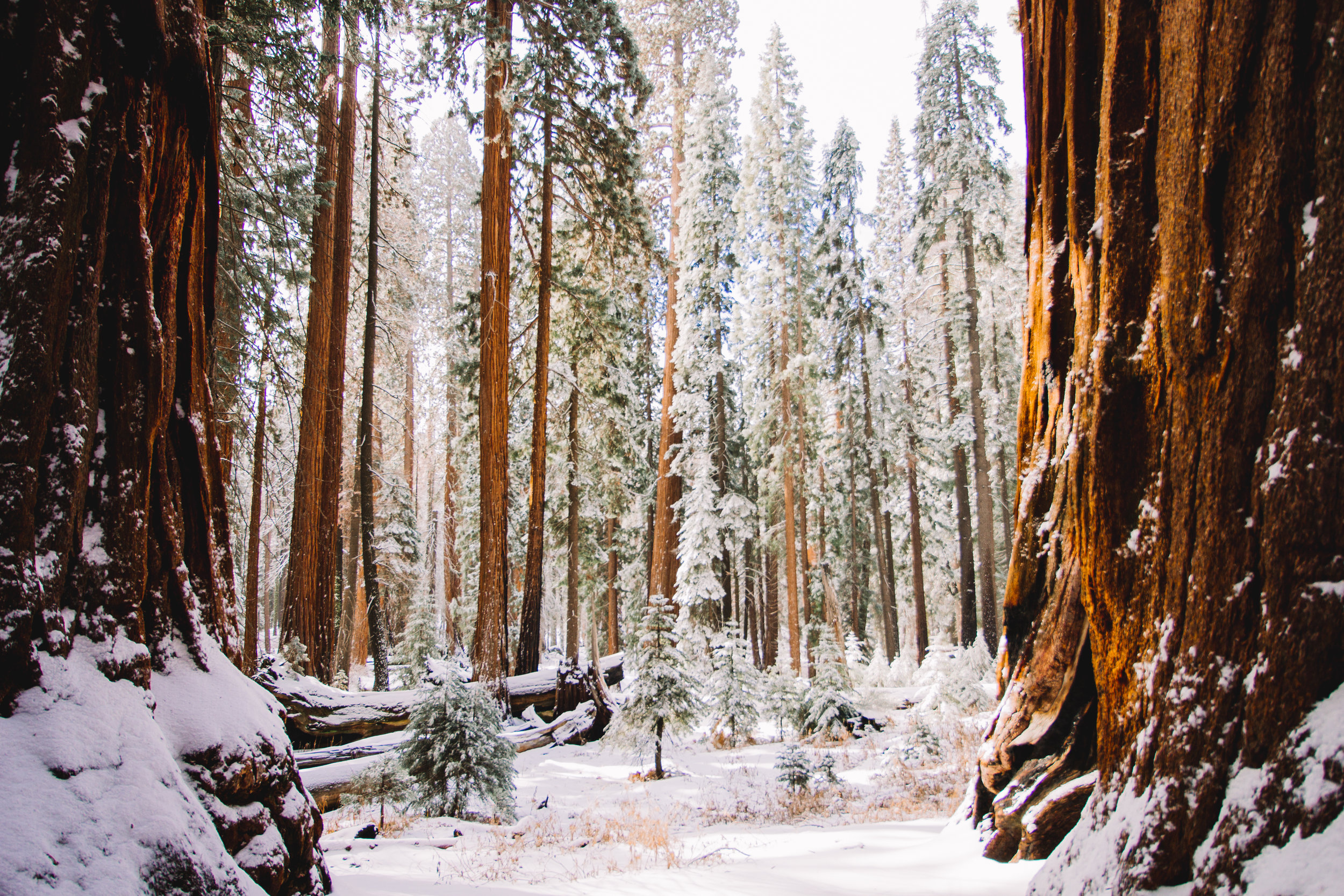
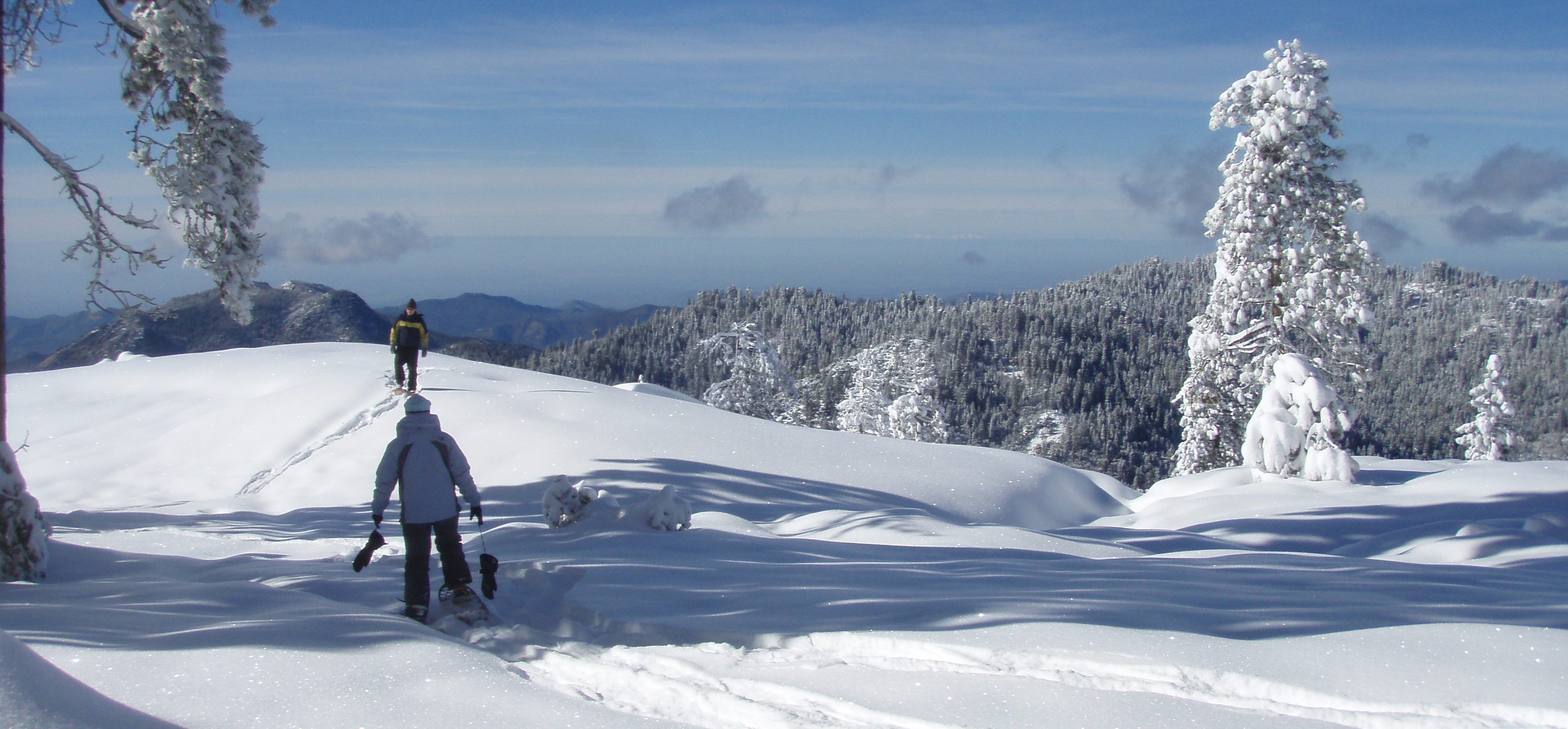
Winter changes the park completely.
It becomes quiet, snowy, and much less accessible—but also very peaceful.
What it’s like
- Cold temperatures
- Heavy snowfall
- Limited access
What you can do
- Snowshoeing
- Cross-country skiing
- Enjoy quiet winter views
Challenges
- Road closures (especially Cedar Grove)
- Limited facilities
- Requires preparation and proper gear
👉 Best for:
- Winter adventure lovers
- Experienced travelers
Practical tip:
Only visit in winter if you’re prepared for snow conditions. This is not the easiest season for casual travel.
Best Time for Hiking

If hiking is your main goal, timing matters a lot.
👉 Best window: June to early October
Why this period works best
- Trails are mostly snow-free
- Weather is predictable
- Full trail access
Best months depending on your preference
- June–July:
- Strong waterfalls
- Lush landscapes
- September:
- Cooler temperatures
- Fewer bugs
- Less crowded trails
Quick advice:
- Wear layers (mornings and evenings are cool)
- Carry water and snacks
- Start hikes early to avoid heat and crowds
Best Time to Avoid Crowds
Crowds can affect your experience more than you expect.
If you prefer space and quiet, timing is key.
Go during:
- Late September to October
- April to May (with limited access)
Avoid:
- July and August
- Holiday weekends
Simple trick:
Visit popular spots early in the morning or later in the afternoon.
Best Time for Photography
Every season offers something different.
What to expect:
- Spring:
- Waterfalls + vibrant greenery
- Summer:
- Clear skies + strong light
- Fall:
- Soft light + warm tones
- Winter:
- Snow-covered landscapes
Tip:
Golden hour (sunrise or sunset) gives the best results in any season.
Budget Travel Tips
If you’re trying to save money, avoid peak season.
Best times to save:
- Spring
- Fall
Why:
- Lower hotel prices
- Easier bookings
- Less demand
Extra tips:
- Book early, even in the off-season
- Consider nearby towns for cheaper stays
- Pack food to reduce costs inside the park
How Many Days Do You Need?
👉 2 to 3 days is ideal for most people
In that time, you can:
- Visit the main viewpoints
- Do 2–3 hikes
- Enjoy scenic drives
If you want a slower trip or more hiking, add an extra day.
Simple Decision Guide
If you’re still unsure, use this:
- Want waterfalls and greenery → May–June
- Want full access and easy travel → July–August
- Want fewer people and calm views → September–October
- Want snow and winter scenery → December–March
Final Recommendation
For most travelers:
- ⭐ June → Best overall experience
- ⭐ September → Best balance of weather and crowds
You really can’t go wrong with either.
Conclusion
Kings Canyon is beautiful in every season—but the experience changes a lot depending on when you visit.
- Choose June for the best overall trip
- Choose September for fewer crowds
- Choose spring for waterfalls
- Choose winter for snow
Plan your timing well, and your trip will feel easy, relaxed, and memorable.
FAQs About Visiting Kings Canyon National Park
1. What is the best time to visit Kings Canyon National Park?
The best time is June to September when the weather is pleasant and all areas are open. June is ideal for waterfalls, while September is great for fewer crowds.
2. What is the best month to visit Kings Canyon?
June is the best overall month because it offers open access, strong waterfalls, and comfortable weather.
3. Is Kings Canyon National Park open year-round?
Yes, but some areas close in winter due to snow, especially Cedar Grove. Summer offers full access.
4. When are waterfalls at their best in Kings Canyon?
Waterfalls are strongest in May and June because of melting snow from the mountains.
5. Is Kings Canyon crowded in summer?
Yes, July and August are very busy, especially on weekends and holidays. Visiting early in the day helps avoid crowds.
6. How many days do you need in Kings Canyon National Park?
Most visitors need 2 to 3 days to explore the main attractions and enjoy a few hikes.
7. What is the best time for hiking in Kings Canyon?
The best time is June to early October, when trails are clear and weather conditions are stable.
8. What is the least crowded time to visit Kings Canyon?
The quietest time is late September to October, followed by April to May (with some limited access).
9. Can you visit Kings Canyon in winter?
Yes, but many areas are closed. Winter is best for snow activities like snowshoeing and skiing, not regular hiking.
10. Is Kings Canyon worth visiting?
Yes, it’s definitely worth visiting. The park offers stunning mountains, waterfalls, scenic drives, and peaceful nature, often with fewer crowds than nearby parks.