
Introduction


If you’re planning your first trip and looking for a complete Zion National Park travel guide for first-time visitors, this is the place to start. Zion is one of the most unforgettable national parks in the United States, known for its towering sandstone cliffs, narrow slot canyons, scenic drives, and some of the most iconic hikes in the country. But for first-time visitors, it can also feel a little overwhelming—especially when you’re trying to figure out where to stay, when to go, how the shuttle works, and which hikes are actually worth your time.
The good news is that Zion is incredibly rewarding once you understand the basics. Whether you want to hike Angels Landing, walk through The Narrows, enjoy easy scenic trails, or simply soak in the views, Zion offers a mix of adventure and accessibility that works for all kinds of travelers.
In this guide, we’ll cover everything first-time visitors need to know about visiting Zion National Park, including the best time to go, where to stay, top things to do, best hikes, travel tips, and how to plan a smoother, less stressful trip.
Why Zion National Park Is So Special
Zion isn’t just a park you drive through—it’s a park you experience from inside the canyon. The scenery feels bigger, steeper, and more dramatic than most first-time visitors expect. One minute you’re standing at the base of a towering red rock wall, and the next you’re wading through a river between canyon walls or climbing to a viewpoint high above the valley floor.
What makes Zion so special is the variety of experiences packed into one destination. Your first trip can include:
- Bucket-list hikes like Angels Landing and The Narrows
- Easy scenic walks such as Pa’rus Trail and Riverside Walk
- Scenic drives and shuttle-access viewpoints
- Sunrise and sunset photography spots
- Family-friendly trails, wildlife viewing, and stargazing
It’s one of the few national parks where both hardcore hikers and casual travelers can have an amazing trip—if they plan it right.
1. Know Where Zion National Park Is and How the Park Is Laid Out
Zion National Park is located in southwestern Utah near the town of Springdale. For most first-time visitors, the main area you’ll spend time in is Zion Canyon, which is the part of the park where you’ll find major highlights like Angels Landing, The Narrows, Emerald Pools, Riverside Walk, and the main shuttle route. The National Park Service notes that Zion Canyon is the park’s most visited area and sits right next to Springdale.
The Main Areas First-Time Visitors Should Know
Zion Canyon
This is the heart of the park and where most first-time visitors spend the majority of their trip. It’s home to the shuttle route, major hikes, and the main visitor services.
Springdale / South Entrance
Springdale is the gateway town just outside Zion’s south entrance. It’s the most convenient base for hotels, restaurants, and shuttle access.
East Zion / Zion-Mount Carmel Area
This side of the park includes scenic drives, slickrock scenery, and access to trails like Canyon Overlook.
Kolob Canyons
A quieter section of the park northwest of the main canyon. It’s beautiful, but not usually the top priority for a first visit unless you have extra time. The NPS identifies Kolob Canyons as a separate northwest section of the park near Cedar City.
Why This Matters
A lot of Zion planning gets easier once you realize that “Zion National Park” isn’t one single compact area. Where you stay, which entrance you use, and how much time you have will affect what makes sense for your itinerary.
2. Pick the Best Time to Visit Zion National Park


The best time to visit Zion National Park depends on what kind of trip you want, but for most first-time visitors, spring and fall are the sweet spots. You’ll usually get the best combination of comfortable temperatures, accessible trails, and manageable hiking conditions.
Spring (March to May)
Spring is one of the best seasons for first-time visitors because temperatures are generally mild, the canyon is greener, and hiking conditions are often excellent. Water flow can still affect The Narrows, but overall it’s one of the best times to explore Zion.
Summer (June to August)
Summer is peak season. Expect bigger crowds, limited parking, and very hot conditions—especially on exposed hikes. If you visit in summer, early starts are essential.
Fall (September to November)
Fall is another top choice for Zion. Temperatures are usually more comfortable than summer, crowds can be slightly better, and the lighting for photography is beautiful.
Winter (December to February)
Winter is the quietest season and can be a great time to visit if you want fewer crowds and don’t mind cooler weather. Some conditions may affect higher or more exposed hikes, but the canyon can look incredible with snow on the cliffs.
Best For First-Time Visitors
If you can choose, aim for April–May or late September–October. Those months usually offer the best balance of weather and overall experience.
3. Understand the Zion Shuttle Before You Go


One of the most important parts of any Zion National Park travel guide for first-time visitors is understanding the shuttle system. If you ignore it, your trip can become much more stressful than it needs to be.
For much of the year, Zion Canyon Scenic Drive is accessed by a free park shuttle, and the neighboring town of Springdale also runs a shuttle that helps visitors reach the park entrance. The National Park Service states that visitors do not need a reservation to ride the shuttle, and during shuttle season it’s the main way to access Zion Canyon.
Why the Shuttle Matters
- It takes you to major trailheads like The Grotto and Temple of Sinawava
- It removes the need to drive the main canyon during shuttle season
- It helps you avoid some of the parking chaos during busy months
Key Shuttle Stops First-Time Visitors Should Know
- Visitor Center – starting point for the park shuttle
- The Grotto – trailhead for Angels Landing
- Zion Lodge – central area for breaks and nearby hikes
- Temple of Sinawava – access to Riverside Walk and The Narrows
First-Time Visitor Tip
If you’re staying in Springdale, try to choose lodging near a town shuttle stop. It makes entering the park much easier and helps you avoid parking headaches.
4. Prioritize the Best Things to Do in Zion National Park


Zion has a lot to offer, but first-time visitors don’t need to do everything. In fact, trying to cram too much into one trip is one of the easiest ways to make Zion feel rushed.
Best Things to Do in Zion National Park for First-Time Visitors
- Hike Angels Landing or at least go to Scout Lookout
- Walk through The Narrows if conditions are safe
- Ride the shuttle through Zion Canyon
- Hike Canyon Overlook Trail
- Walk Pa’rus Trail or Riverside Walk
- Explore Emerald Pools
- Watch sunrise or sunset from the canyon
- Drive the Zion-Mount Carmel Highway
A Better First-Trip Strategy
Instead of trying to “check off” every trail, pick:
- 1 major iconic hike
- 1–2 shorter scenic trails
- 1 sunrise or sunset stop
- 1 slower scenic activity like the shuttle ride or scenic drive
That gives you a much more balanced Zion experience.
5. Choose the Right Hikes for Your Fitness Level


The hiking trails in Zion are one of the main reasons people visit, but not every famous trail is right for every traveler. One of the smartest things first-time visitors can do is choose hikes based on comfort level, experience, and conditions—not just Instagram photos.
Best Zion Hikes for First-Time Visitors
Angels Landing
Zion’s most famous hike and one of the most thrilling in the U.S. It’s strenuous, exposed, and requires a permit for the final chained section. The NPS states the hike is 5.4 miles round-trip with 1,488 feet of elevation gain, and everyone continuing onto the chains needs a permit.
The Narrows
One of the most unique hikes in the park, where you walk through the Virgin River. The bottom-up hike from Temple of Sinawava does not require a permit and can be hiked as far as Big Spring (up to 9.4 miles round-trip), though conditions matter a lot.
Canyon Overlook Trail
One of the best short hikes in Zion for big views without a full-day effort.
Pa’rus Trail
Easy, paved, and perfect for casual visitors, sunrise walks, or families.
Riverside Walk
A scenic, easy trail that leads to the start of The Narrows.
Emerald Pools
A classic Zion trail system with multiple route options depending on how much time and energy you have.
First-Time Visitor Tip
If you only have one day in Zion, don’t try to do Angels Landing and a full Narrows hike on the same day unless you’re very fit and prepared for a long, exhausting day.
6. Know the Permit Rules Before Planning Your Hikes


Zion isn’t a permit-heavy park for general sightseeing, but there are a few rules first-time visitors should know so they don’t build an itinerary around something they can’t actually do.
What You Don’t Need a Permit For
According to the National Park Service:
- You do not need a permit or reservation just to enter Zion National Park
- You do not need a permit to ride the park shuttle
- You do not need a permit for the bottom-up Narrows hike from Temple of Sinawava
- You do not need a permit to hike to Scout Lookout on the West Rim Trail
What You Do Need a Permit For
- Angels Landing chains section beyond Scout Lookout
- Top-down Narrows hikes and certain overnight wilderness trips
First-Time Visitor Tip
If Angels Landing is a must-do for your trip, sort out the permit details before you build the rest of your itinerary around it.
7. Decide Where to Stay Near Zion National Park

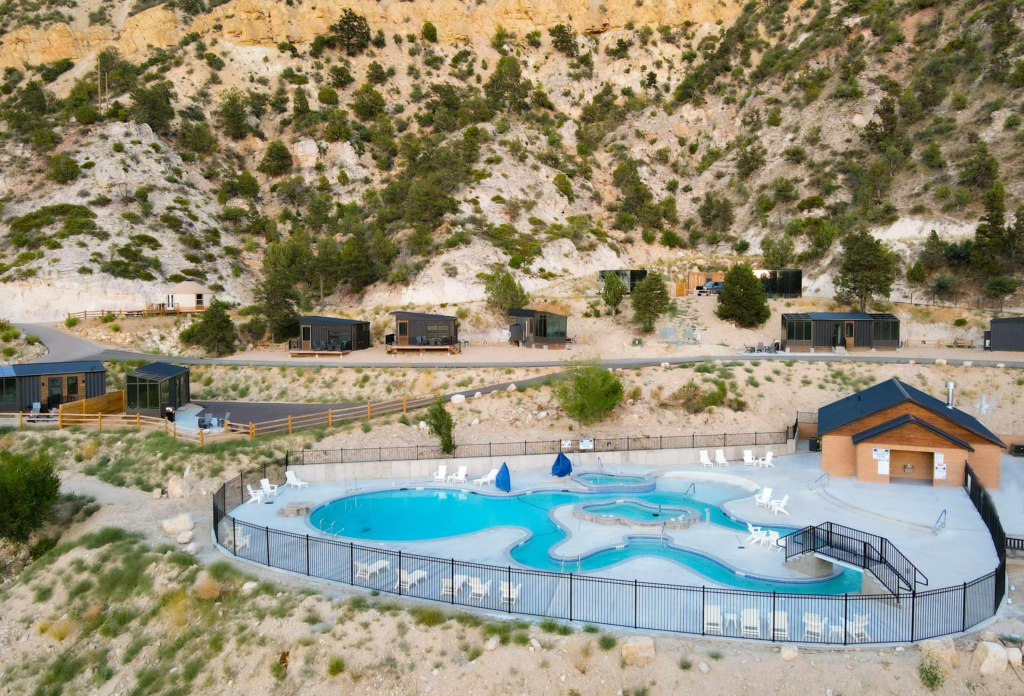

Where you stay can make a huge difference on your first Zion trip. For most first-time visitors, the best base is Springdale, the town right outside the park’s south entrance.
Best Areas to Stay Near Zion
Springdale
The most convenient base for first-time visitors. It gives you the easiest access to the park entrance, restaurants, outfitters, and the shuttle system.
Zion Lodge
The most convenient in-park option if you want to stay inside Zion itself.
Hurricane / La Verkin
Better for budget travelers who don’t mind driving 30–35 minutes to the park.
East Zion / Virgin
Great for scenic cabins, glamping, or a quieter stay away from the busiest part of Springdale.
First-Time Visitor Recommendation
If your budget allows it, stay in Springdale. It makes early starts, shuttle access, and general park logistics much easier—especially if you only have a short trip.
8. Build a Realistic Zion Itinerary Instead of Overpacking Your Days


One of the most common mistakes first-time visitors make is treating Zion like a park where you can just “see everything” in one rushed day. You can absolutely see highlights in one day—but Zion is much better when you leave room for breaks, shuttle time, and the fact that hikes here take longer than people expect.
If You Have 1 Day in Zion
A good first-day plan might look like:
- Early start + one major hike (Angels Landing / Scout Lookout or The Narrows)
- Midday break at Zion Lodge or a shuttle ride through the canyon
- One short trail like Pa’rus Trail or Canyon Overlook
- Sunset at Canyon Junction or another scenic viewpoint
If You Have 2 Days in Zion
Day 1:
- Major iconic hike
- Shuttle sightseeing
- Sunset viewpoint
Day 2:
- Second hike or scenic trail
- Emerald Pools / Canyon Overlook / Riverside Walk
- Scenic drive or relaxed photography time
Why This Works Better
It gives you a mix of adventure and slower scenic moments, which is a much better way to experience Zion than spending the entire trip racing from trailhead to trailhead.
9. Use These Zion Travel Tips to Avoid Common First-Time Mistakes


If you only remember one part of this Zion National Park travel guide for first-time visitors, make it this one. Zion is incredible, but it’s also a park where small planning mistakes can quickly turn into stressful days.
Start Early
Parking fills quickly, shuttle lines grow, and exposed hikes get much hotter later in the day.
Bring More Water Than You Think You Need
The NPS recommends hikers drink plenty of water, and for strenuous hikes like Angels Landing they specifically suggest planning for significant water needs.
Check Trail Conditions Before Big Hikes
This matters especially for The Narrows, where water levels, flash flood risk, and current conditions can affect access. The NPS notes that Narrows conditions can change and the route is challenging, cold, and slippery.
Don’t Underestimate Zion Hikes
A trail that looks short on paper can still feel hard because of heat, elevation gain, exposure, or river walking.
Don’t Build Your Whole Trip Around One Hike
If you don’t get an Angels Landing permit or Narrows conditions aren’t ideal, Zion still has plenty of amazing alternatives.
Stay Flexible
That’s especially important for weather, shuttle timing, and trail conditions.
10. Don’t Skip the Slower, Scenic Side of Zion


It’s easy to focus so much on the “big-name” hikes that you forget Zion is also a place to slow down. Some of the best moments in the park aren’t on a bucket-list summit—they’re on a quiet riverside trail at sunrise, a shuttle ride through the canyon, or a sunset when the cliffs turn orange and the crowds thin out.
Slower Zion Experiences Worth Making Time For
- Sunrise on Pa’rus Trail
- Sunset near Canyon Junction
- A relaxed walk on Riverside Walk
- Scenic drive through the east side of the park
- Stargazing if you’re staying overnight
For first-time visitors, these moments often become just as memorable as the headline hikes.
Frequently Asked Questions
How many days do you need in Zion National Park for a first visit?
For most first-time visitors, 2 days is ideal. One day is enough to see some highlights, but two days gives you time for one major hike, a few shorter trails, and a less rushed experience.
Do you need a reservation to enter Zion National Park?
No. The National Park Service states that you do not need a reservation to enter Zion National Park or ride the shuttle, though you do need to pay the entrance fee.
What is the best hike in Zion for first-time visitors?
That depends on your comfort level. The Narrows and Angels Landing are the most iconic, but Canyon Overlook Trail, Pa’rus Trail, and Riverside Walk are excellent first-time options too.
Is Zion National Park good for beginners?
Yes. Zion has everything from easy scenic walks to strenuous hikes, so beginners can absolutely have a great trip without doing the hardest trails.
Where should first-time visitors stay near Zion?
For most travelers, Springdale is the best place to stay near Zion National Park because it offers the easiest access to the south entrance, shuttle system, restaurants, and trailheads.
Conclusion
A first trip to Zion National Park can be one of the best national park experiences in the U.S.—as long as you plan with Zion’s unique logistics in mind. The park is famous for a reason: world-class hikes, dramatic canyon scenery, unforgettable viewpoints, and a mix of adventure and accessibility that’s hard to match anywhere else.
For most first-time visitors, the smartest approach is simple: stay as close to the park as your budget allows, understand how the shuttle works, choose hikes that match your fitness level, and don’t try to do every single highlight in one rushed day. Prioritize one or two iconic experiences, leave room for scenic stops, and give yourself time to actually enjoy the canyon rather than racing through it.
Whether your first Zion trip includes Angels Landing, The Narrows, a sunrise walk on Pa’rus Trail, or just your first glimpse of the cliffs from the shuttle window, one thing is almost guaranteed—you’ll leave already thinking about your next visit.