Introduction
The moment you arrive at the rim and see that endless stretch of layered rock carved by the Colorado River, everything slows down. It’s not just a destination—it’s a journey. And if you plan it right, the road trip itself becomes just as unforgettable as the canyon.
This Grand Canyon National Park road trip guide helps you plan a great adventure. It covers top routes and scenic drives. You will also find must-do hikes, travel tips, and places to stay. Whether you’re coming from Las Vegas, Phoenix, or Flagstaff, this guide covers everything you need for a smooth and epic trip.
Where Is Grand Canyon National Park?
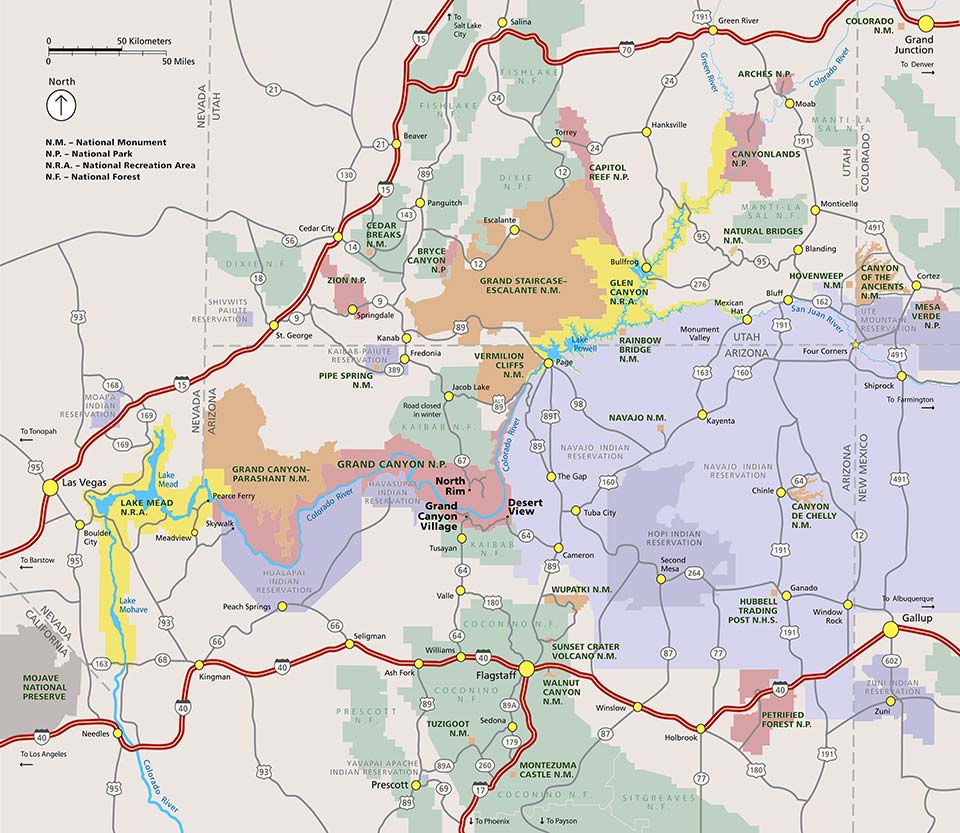
Grand Canyon National Park is located in northern Arizona and is divided into two main areas:
South Rim (Best for Road Trips)
- Open year-round
- Closest to major highways and cities
- Most viewpoints, hotels, and facilities
North Rim (More Remote)
- Open mid-May to mid-October
- Fewer crowds
- Longer driving distances
👉 For most road trips, the South Rim is the best and easiest option.
Best Road Trip Routes to Grand Canyon National Park


One of the best ways to experience Grand Canyon National Park is by road trip. The journey itself is part of the adventure, with scenic landscapes, small towns, and great photo stops along the way.
Here are the most popular routes to reach the South Rim:
🚗 From Las Vegas (4.5–5 Hours)
This is one of the most popular routes, especially for travelers combining city and nature experiences.
What to expect:
- 🌉 Drive past the famous Hoover Dam (great quick stop)
- 🏜️ Long stretches of desert landscapes
- 🚗 Easy highway driving
Optional stop:
- 🛣️ Route 66 in Williams, Arizona
A fun historic town with classic diners, souvenir shops, and a nostalgic road trip vibe.
👉 This route is great if you want a mix of desert scenery and iconic American road trip stops.
🚗 From Phoenix (3.5–4 Hours)
This is considered the best overall road trip route to Grand Canyon National Park.
What makes it special:
- 🌄 Drive through Sedona (highly recommended)
- 🪨 Stunning red rock formations
- 📸 Plenty of scenic photo stops
Sedona is one of the most beautiful places in Arizona, and it’s perfect for:
- Short hikes
- Scenic viewpoints
- Grand Canyon travel photography-style shots before reaching the canyon
👉 If you have time, spend a few hours or even a night in Sedona—it’s worth it.
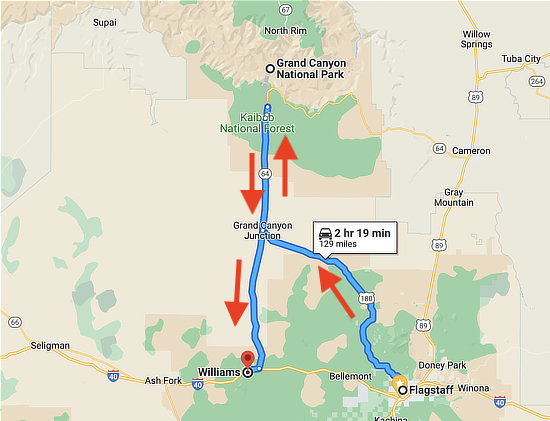
🚗 From Flagstaff (1.5 Hours)
The easiest and shortest drive to the Grand Canyon.
What to expect:
- 🌲 Forested roads and cooler temperatures
- 🚗 Quick and simple route
- ⛰️ Higher elevation scenery
Flagstaff is a great base if you want:
- Short travel time
- More accommodation options
- Easy access to the park
👉 Ideal for travelers who want a relaxed and convenient trip.
🧭 Best Road Trip Route Recommendation
👉 Phoenix → Sedona → Grand Canyon
This is the best overall road trip because it combines:
- Scenic variety (desert + red rocks + canyon)
- Multiple photo opportunities
- Great places to stop, eat, and explore
Simple plan:
- Start in Phoenix
- Drive to Sedona (2 hours)
- Explore Sedona viewpoints and trails
- Continue to Grand Canyon (2–2.5 hours)
🚙 Road Trip Tips
- ⛽ Fill up gas before entering remote areas
- 🗺️ Download offline maps (signal can be weak)
- 📸 Stop often—some of the best views are along the road
- ⏰ Start early to avoid traffic and enjoy better light
Best Time to Visit Grand Canyon National Park
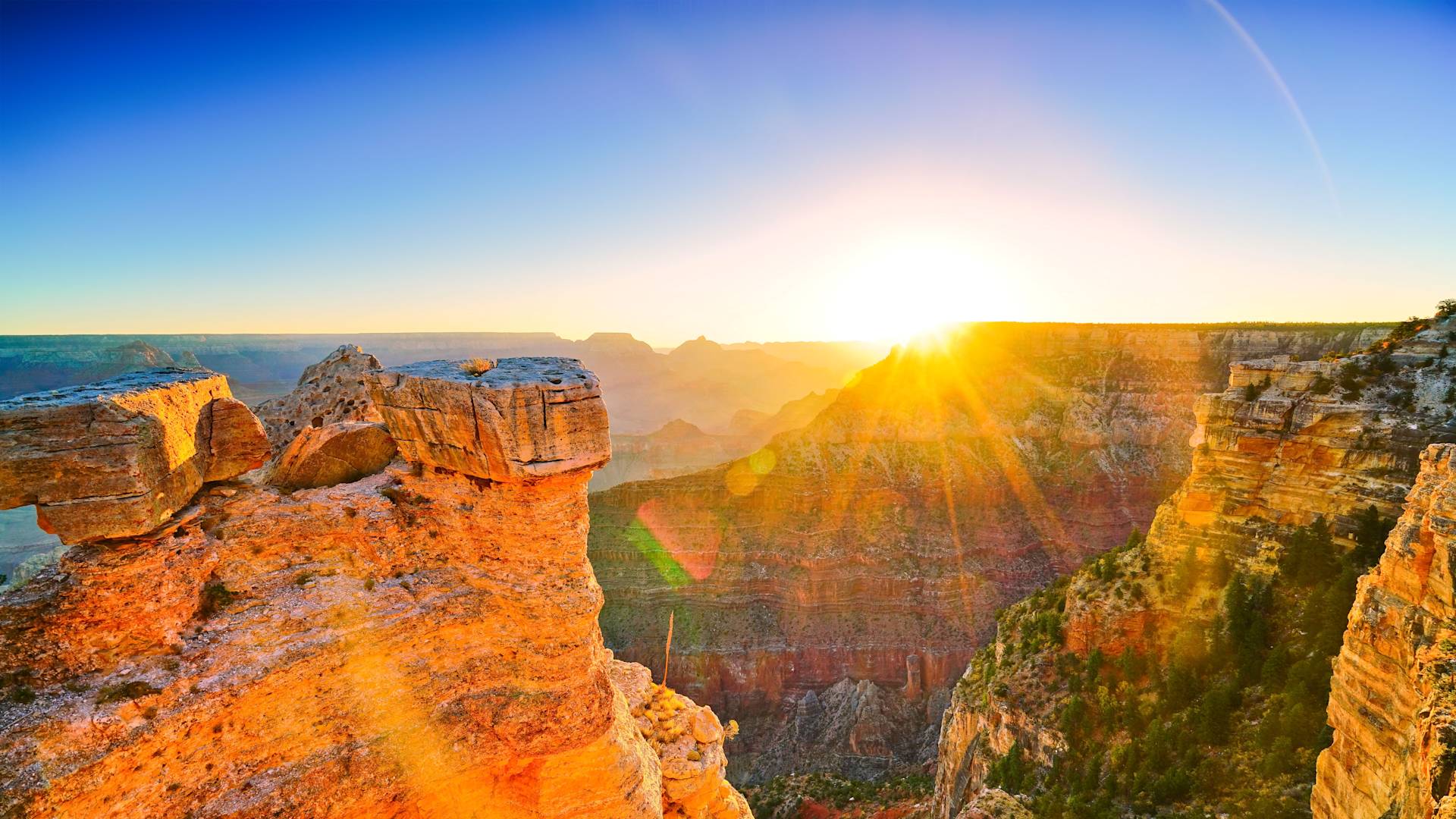
Timing your road trip can make or break your experience.
The best time to visit Grand Canyon National Park depends on the type of experience you’re looking for. Each season offers something unique—from blooming wildflowers in spring to snow-covered canyon views in winter.
🌿 Spring (March – May)
Spring is one of the best seasons to visit Grand Canyon National Park, especially for hiking and photography.
- 🌡️ Mild temperatures across the park
- 🌸 Wildflowers begin to bloom
- 🥾 Ideal for Grand Canyon hiking photography
- 👣 Moderate crowds
The inner canyon is still manageable in terms of heat, making it perfect for longer hikes like Bright Angel Trail.
☀️ Summer (June – August)
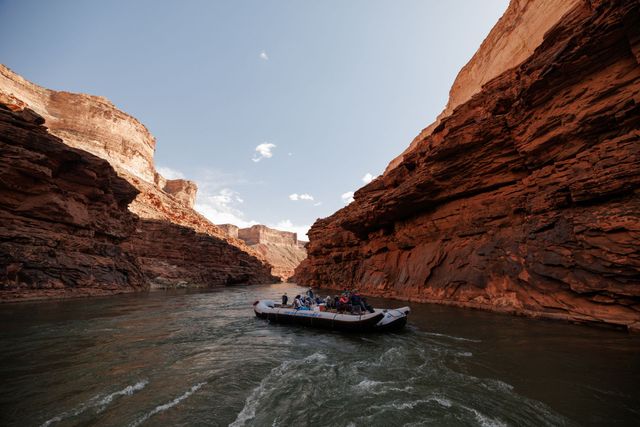
Summer is the busiest time in Grand Canyon National Park, with peak visitor numbers and full access to all facilities.
- 🌡️ Rim temperatures are warm and comfortable
- 🔥 Canyon floor temperatures often exceed 100°F (38°C)
- 🚣 Best season for river rafting
- 🌄 North Rim is open
While it’s great for accessibility, hiking during midday can be dangerous due to extreme heat. Early morning and sunset are best for exploring and Grand Canyon photography spots.
🍂 Fall (September – November)

Fall is another excellent time to visit Grand Canyon National Park, offering a balance of good weather and fewer crowds.
- 🌡️ Cooler and more comfortable temperatures
- 👣 Fewer tourists after Labor Day
- 🍁 Autumn colors (especially near the North Rim)
- 📸 Great lighting for Grand Canyon landscape photography
It’s one of the best seasons for longer hikes and peaceful sightseeing.
❄️ Winter (December – February)

Winter offers a completely different and quieter experience in Grand Canyon National Park.
- ❄️ Snow occasionally covers the rim
- 👣 Fewer crowds and peaceful viewpoints
- 📸 Unique conditions for Grand Canyon photography
- 🌄 Clear air for long-distance views
While it can be cold, winter is perfect if you want a calm atmosphere and dramatic scenery.
🧠 Quick Summary
- Best overall: Spring & Fall
- Best for full access: Summer
- Best for fewer crowds: Winter
- Best for photography: Spring, Fall, and Winter
Top Attractions in Grand Canyon National Park

When you’re road-tripping, you’ll want stops that deliver maximum impact with minimal effort.
Must-See Stops
- Mather Point – First stop, classic panoramic view
- Yavapai Point – Best geology + wide-angle views
- Desert View Watchtower – Scenic drive highlight
- Hopi Point – One of the best sunset spots in the park
👉 Tip: Combine viewpoints along Desert View Drive for an easy scenic route.
👉 Best overall road trip: Phoenix → Sedona → Grand Canyon
Best Hikes in Grand Canyon National Park


Exploring Grand Canyon National Park hikes is one of the most memorable ways to experience the canyon. Hiking below the rim gives you a completely different perspective compared to viewpoints, with changing landscapes, deeper colors, and fewer crowds.
Whether you’re looking for an easy walk or a challenging adventure, these are the best hikes for photography Grand Canyon offers.
Bright Angel Trail
- Distance: Up to 9.5 miles round trip (to Havasupai Gardens)
- Difficulty: Strenuous
Bright Angel Trail is the most popular and well-maintained hiking trail in the park, making it a great choice for many visitors.
Why it’s a top choice:
- 🚰 Seasonal water stations along the route
- 🌳 Some shaded sections (rare in the canyon)
- 🛑 Rest houses for breaks
This trail is ideal for Grand Canyon hiking photography, offering layered canyon views and multiple turnaround points for shorter hikes.
South Kaibab Trail
- Distance: Up to 7 miles round trip
- Difficulty: Strenuous
The South Kaibab Trail follows a ridge line and provides some of the most dramatic and open views in the canyon.
What makes it special:
- 🌄 Unobstructed panoramic views
- 📸 Perfect for sunrise and Grand Canyon landscape photography
- 🥾 Shorter options like Ooh Aah Point or Cedar Ridge
⚠️ Important: There is no water and very little shade on this trail, so start early and carry enough supplies.
Rim Trail
- Distance: Up to 13 miles (one way along the South Rim)
- Difficulty: Easy
The Rim Trail is the best option for visitors who want incredible views without hiking deep into the canyon.
Highlights:
- 🚶 Mostly flat and paved
- 📍 Connects major Grand Canyon scenic viewpoints
- 📸 Excellent for casual photography
You can walk small sections or longer distances depending on your time and energy.
North Kaibab Trail
- Distance: 14 miles (one way to the Colorado River)
- Difficulty: Very strenuous
The North Kaibab Trail is a remote and challenging hike that descends from the North Rim. It is part of the famous Rim-to-Rim hike, which crosses the entire canyon.
Why experienced hikers love it:
- 🌲 Cooler temperatures due to higher elevation
- 🧘 Less crowded than South Rim trails
- 🌄 Unique canyon perspectives
This trail is best suited for experienced hikers prepared for a long and demanding journey.
Hiking Tips for Grand Canyon National Park
Before heading out on any trail, keep these important tips in mind:
☀️ Use sun protection (hat, sunscreen, sunglasses)
💧 Carry plenty of water (more than you think you need)
⏰ Start early in the morning to avoid heat
🥾 Wear proper hiking shoes with good grip
❌ Avoid hiking to the river and back in one day
Grand Canyon National Park Map and Travel Tips
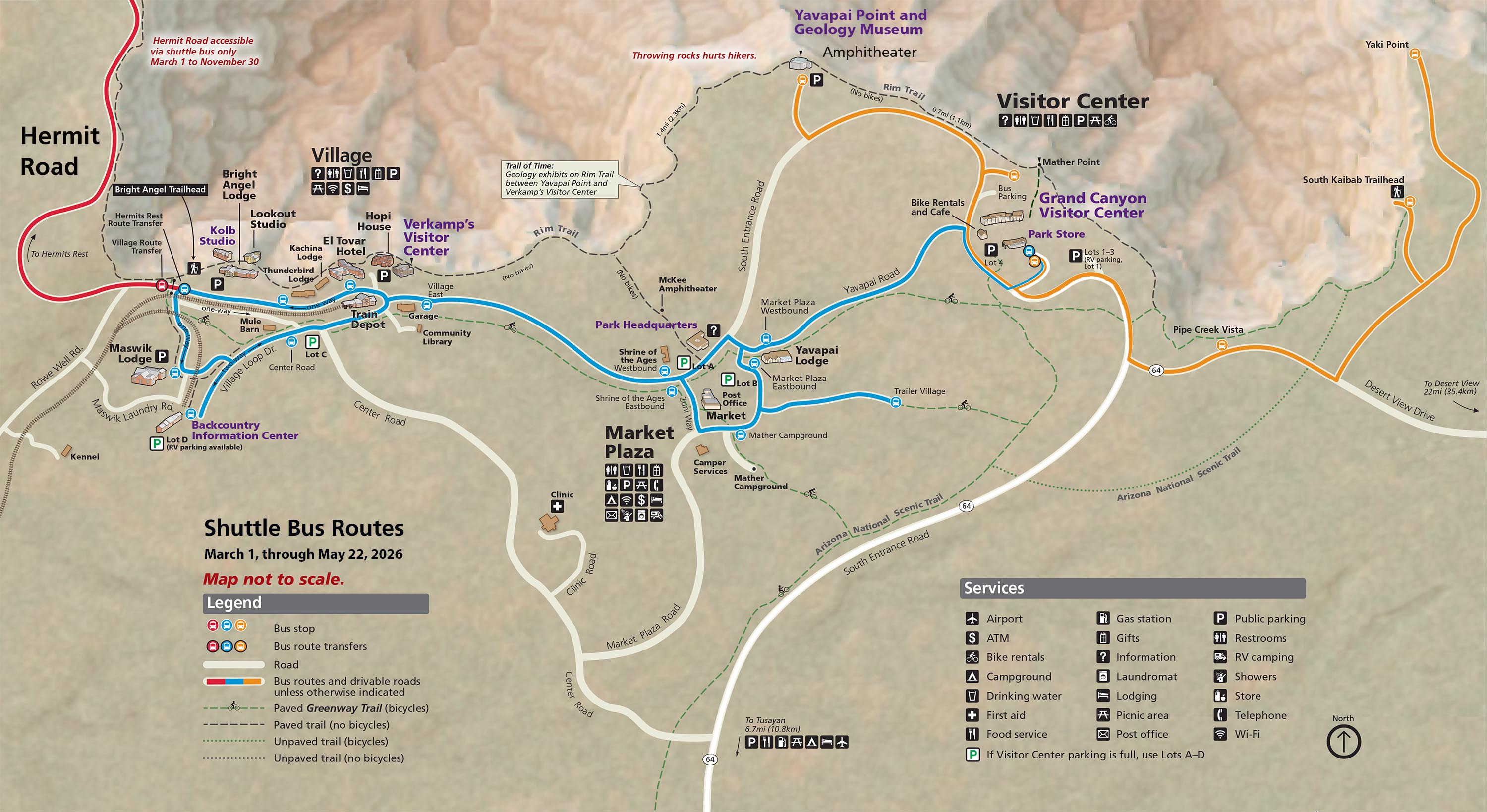
How to Navigate the Park
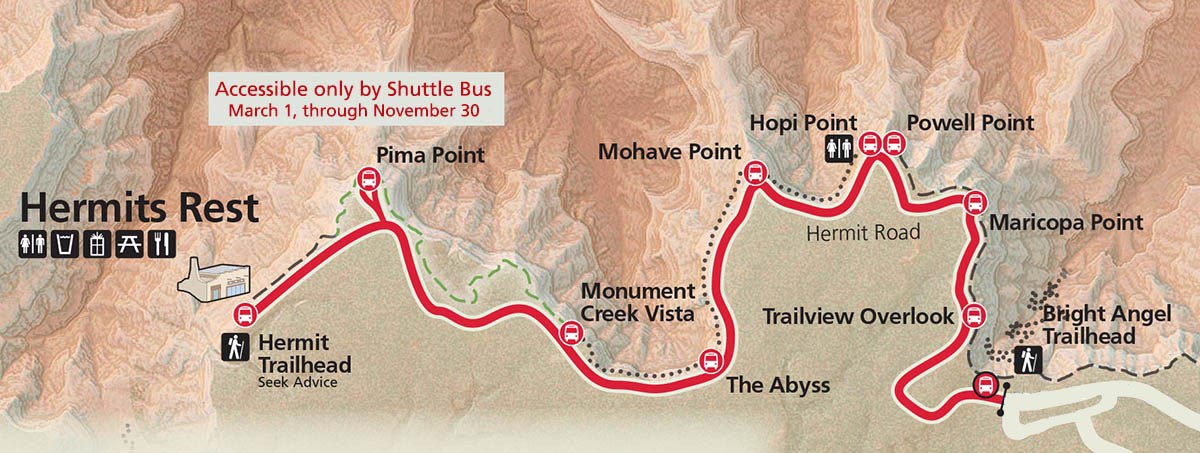
- Hermit Road – Shuttle-only (March–November)
- Desert View Drive – Open to cars
- Grand Canyon Village – Main hub
Essential Road Trip Tips
- Arrive before 9 AM for parking
- Use shuttle buses during peak season
- Carry 2–3 liters of water
- Fuel up before entering the park
- Download offline maps
👉 Pro tip: Gas stations are limited—don’t arrive on empty.
Where to Stay Near Grand Canyon National Park
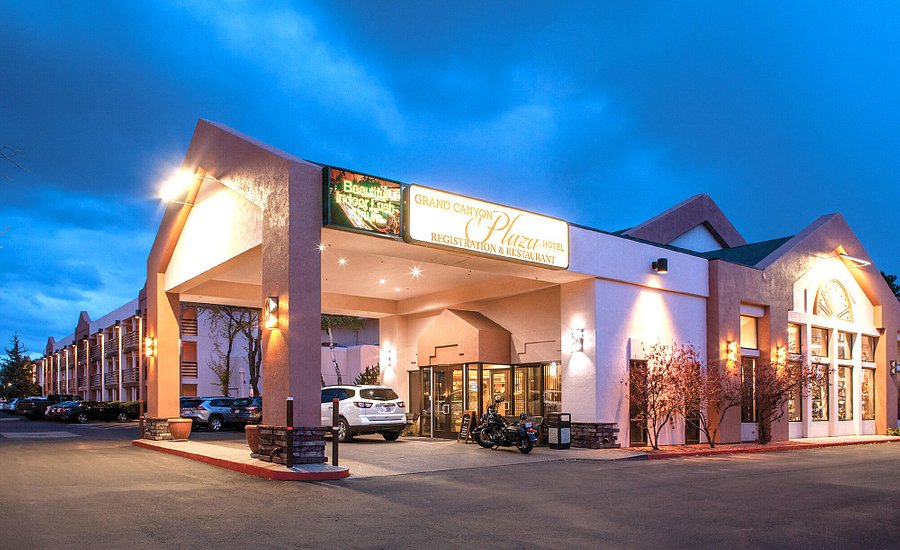
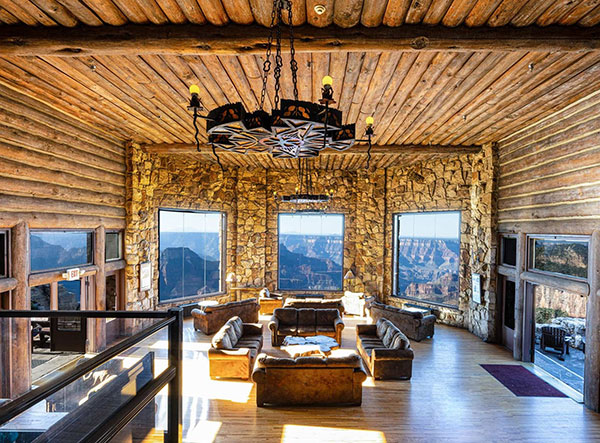
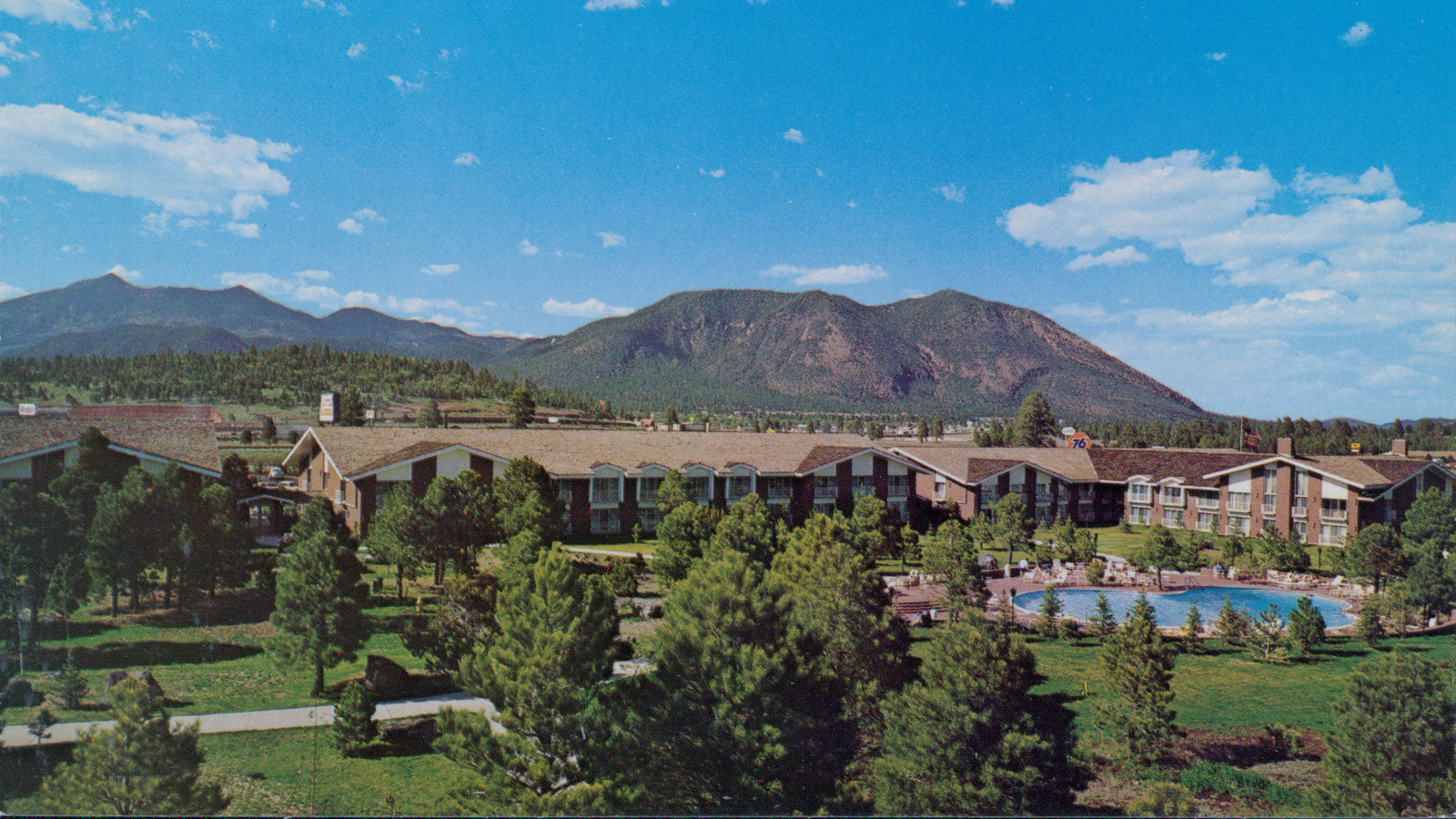
Choosing the right place to stay can make a big difference when visiting Grand Canyon National Park. Whether you want quick access to viewpoints or more budget-friendly options, there are several great choices both inside and outside the park.
🏨 Staying Inside the Park (Best for Convenience)
Staying inside Grand Canyon National Park—especially on the South Rim—gives you the easiest access to Grand Canyon photography spots, hiking trails, and sunrise/sunset viewpoints.
Benefits:
- 🌅 Quick access to sunrise and sunset locations
- 🚶 Walking distance to major viewpoints
- 🚌 Easy access to shuttle buses
- ⏰ No need to drive in and out of the park
Popular options include:
- El Tovar Hotel
Historic and upscale lodge located right on the rim. Perfect for travelers looking for comfort and classic charm. - Bright Angel Lodge
A more budget-friendly option with a great location near the Bright Angel Trail. - Maswik Lodge
A modern and comfortable choice within walking distance of the canyon rim. - Mather Campground
Ideal for budget travelers and campers. Great for those planning sunrise photography or early hikes.
👉 Tip: Book several months in advance, especially during spring and summer.
🏡 Tusayan (Closest Town to the Park)
Tusayan is a small town located just outside the South Rim entrance, only about 10–15 minutes away.
Why stay here:
- 🏨 More hotel availability
- 🍴 Restaurants and basic services
- 🚗 Easy access to the park
It’s a great option if you want convenience but can’t find lodging inside the park.
🌄 Flagstaff (Best for More Options)
Flagstaff is about 90 minutes from the South Rim and offers a wider range of accommodations.
Why choose Flagstaff:
- 🏨 More hotels and budget options
- 🍽️ Better variety of restaurants and cafes
- 🛍️ Grocery stores and shopping
- 🌲 Cooler temperatures and forest surroundings
This is a good base if you’re combining your trip with other Arizona destinations or planning a longer road trip.
🧭 Which Option Is Best?
- Best for convenience: Stay inside the park
- Best balance (price + location): Tusayan
- Best for variety and budget: Flagstaff
🛏️ Extra Accommodation Tips
- 📅 Book early (especially peak seasons)
- 🌅 Choose rim access if you want Grand Canyon sunrise photography
- 🚗 Consider parking and shuttle access
- ⛺ Camping is great for early starts and a nature experience
Conclusion
A road trip to Grand Canyon National Park is more than just a drive—it’s an experience filled with unforgettable views, epic hikes, and moments that stay with you long after you leave.
If it’s your first time, keep it simple: explore the South Rim, enjoy a few scenic stops, and try a short hike like South Kaibab or the Rim Trail. For more adventure, take on Bright Angel.
Take your time, plan smart, and let the canyon do the rest.
FAQ – Grand Canyon National Park Road Trip Guide
1. How long should a Grand Canyon road trip be?
2–4 days is ideal for a relaxed experience with hiking and viewpoints.
2. Is the Grand Canyon suitable for beginners?
Yes. Many viewpoints and easy trails are beginner-friendly.
3. Can I drive inside the park?
Yes, but some areas require shuttle buses during peak seasons.
4. What should I pack for a Grand Canyon road trip?
Water, snacks, sunscreen, hiking shoes, and offline maps.
5. What is the most scenic drive in the park?
Desert View Drive offers the best viewpoints accessible by car.